
Rubio urges Central Asian trade and investment cooperation at C5+1 meeting
U.S. Secretary of State Marco Rubio urged Central Asian countries to work together on investment, trade partnerships and resources at a C5+1 foreign ministers’ meeting. He said the format reflected Washington’s interest in peaceful relations and deeper cooperation, while pointing to a prior meeting that he said produced US$25 billion in deals.
AI-assisted synthesis · Based on 5 outlets' reporting · Article text read from 1 of 5 outletsHow it's made
View timeline · 6 entries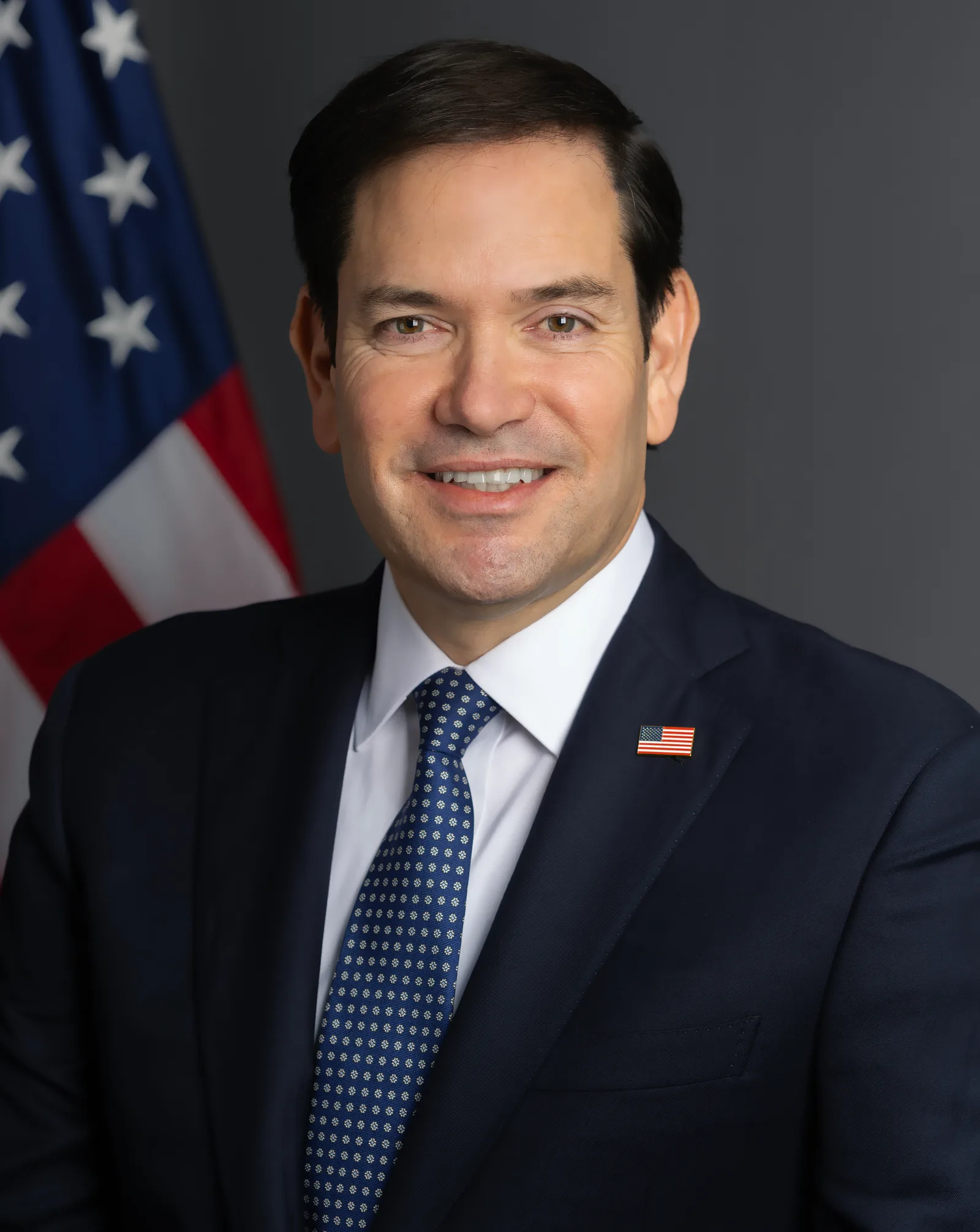 File photo
What happened
Key facts
- Rubio said Central Asian countries could jointly attract investment, develop trade partnerships and secure resources to strengthen sovereignty and improve prosperity (per uzdaily.uz, theepochtimes.com, eurasianet.org).
- Rubio said the C5+1 format reflected Washington’s interest in peaceful relations with Central Asian states and further cooperation (per uzdaily.uz).
- Rubio said Washington intended to support training for specialists working with advanced U.S. technologies (per uzdaily.uz).
- Rubio described the B5+1 business forum as a way to expand economic ties through government-business dialogue and increased trade and investment (per uzdaily.uz).
- Rubio said the previous year’s White House meeting resulted in US$25 billion in deals (per uzdaily.uz).
- Rubio said those deals strengthened transport, energy, finance and other key sectors of participating economies (per uzdaily.uz).
- ABC News’ headline said Rubio was in Uzbekistan to promote U.S. ties and trade with Central Asia (per abcnews.com, uzdaily.uz).
The brief
U.S. Secretary of State Marco Rubio used a meeting with Central Asian foreign ministers to urge the countries to pursue investment, trade partnerships and access to resources together. UzDaily.uz reported that Rubio linked this cooperation to strengthening sovereignty and improving prosperity.
The meeting took place in the C5+1 format, which brings together the United States and Central Asian countries. Rubio described the format as reflecting Washington’s interest in peaceful relations with Central Asian states and its commitment to developing cooperation. He also said Washington intended to support training for specialists who work with advanced U.S. technologies.
His remarks presented the C5+1 as a channel for both diplomatic engagement and practical cooperation, including workforce training. Rubio also pointed to the B5+1 business forum as a means of expanding economic ties. He said the forum should enable dialogue between governments and businesses and help increase mutual trade and investment.
The account did not specify particular new trade commitments made at the current meeting. To illustrate the potential scale of cooperation, Rubio recalled a C5+1 meeting held in Washington the previous year. He said that White House event resulted in new deals worth US$25 billion, strengthening transport, energy, finance and other key sectors of the participating economies.
The figure and sectoral effects were presented as Rubio’s account of the earlier meeting. The central economic message was that regional governments could pursue investment and trade jointly while engaging U.S. businesses and technology.
Rubio’s remarks connected those goals with sovereignty and prosperity, but did not set out specific targets, timelines or commitments for the current meeting. ABC News’ headline described Rubio as being in Uzbekistan to promote U.S. ties and trade with Central Asia.
The headlines from The Epoch Times, Eurasianet and Kyiv Post likewise characterized the visit as a trade push or effort to boost trade ties. UzDaily.uz’s account also included the diplomatic framing of peaceful relations and cooperation, as well as the proposed training support and the earlier US$25 billion in deals.
Why it matters
- Rubio’s proposed investment, trade and resource cooperation is explicitly tied to Central Asian countries’ sovereignty and prosperity.
- The C5+1 agenda combines diplomatic ties with practical mechanisms: U.S.-technology training and cooperation through the B5+1 business forum.
- Rubio cited US$25 billion in deals from the previous year’s Washington meeting, spanning transport, energy, finance and other sectors.
What to watch next
- Whether Washington supports the specialist training Rubio described for work with advanced U.S. technologies.
- Whether the B5+1 business forum enables the government-business dialogue and increased trade and investment Rubio said it should promote.
- Whether Central Asian countries pursue joint investment, trade partnerships or resource cooperation as Rubio proposed.
How it's being covered
Coverage analysisShow details5 source articles · 5 unique outletsOutlet political mix: Too few rated· 1 Center · 1 Right · 3 unratedWhere the outlets are based: US/Canada 40% · Unknown 40% · Other 20%
How outlets' accounts compare
Timeline
Developments from this story's sources, dated background we compiled and fact-checked, and our earlier coverage. Each row says which.- The format gave Washington a regular forum for regional diplomacy after the five republics became independent following the Soviet Union’s dissolution in 1991.Background · from our historical context
- The meeting followed a decade of US engagement through the C5+1 format, established in 2015.Background · from our historical context
- Secretary of State John Kerry attended its first ministerial meeting in Samarkand, Uzbekistan, on November 1, 2015.Background · from our historical context
- President Joe Biden met the leaders of Kazakhstan, Kyrgyzstan, Tajikistan, Turkmenistan and Uzbekistan at a C5+1 summit in New York.Background · compiled and fact-checked by Updat3
- Its first forum was held in Almaty, Kazakhstan, in March 2024, bringing Central Asian businesses and officials together with US counterparts to discuss trade and investment.Background · from our historical context
- The United States and the five Central Asian republics held a White House meeting where Rubio said participants announced deals worth about $25 billion.Background · compiled and fact-checked by Updat3
How we got here
At the 2025 White House meeting between the United States and the five Central Asian republics, participants announced deals valued at about $25 billion, according to Rubio; the agreements covered transport, energy, finance and other sectors. The meeting followed a decade of US engagement through the C5+1 format, established in 2015.
The C5+1 brings together the United States, Kazakhstan, Kyrgyzstan, Tajikistan, Turkmenistan and Uzbekistan. Secretary of State John Kerry attended its first ministerial meeting in Samarkand, Uzbekistan, on November 1, 2015.
Original sources
1 of 5 articles · Europe · Show allEvery story links to the reporting it was built from. How we choose sources
Spotted a factual error, a broken link or a misleading summary? Tell us.