
Rubio says US-India trade deal will happen shortly during India visit
U.S. Secretary of State Marco Rubio said in Mumbai that the United States and India were close to completing a trade agreement, with a small number of items still to settle. He said he expected the deal to happen shortly, while describing India as a strong strategic partner and a major refining power.
AI-assisted synthesis · Based on 5 outlets' reporting · 1 article captured only in partHow it's made
View timeline · 5 entries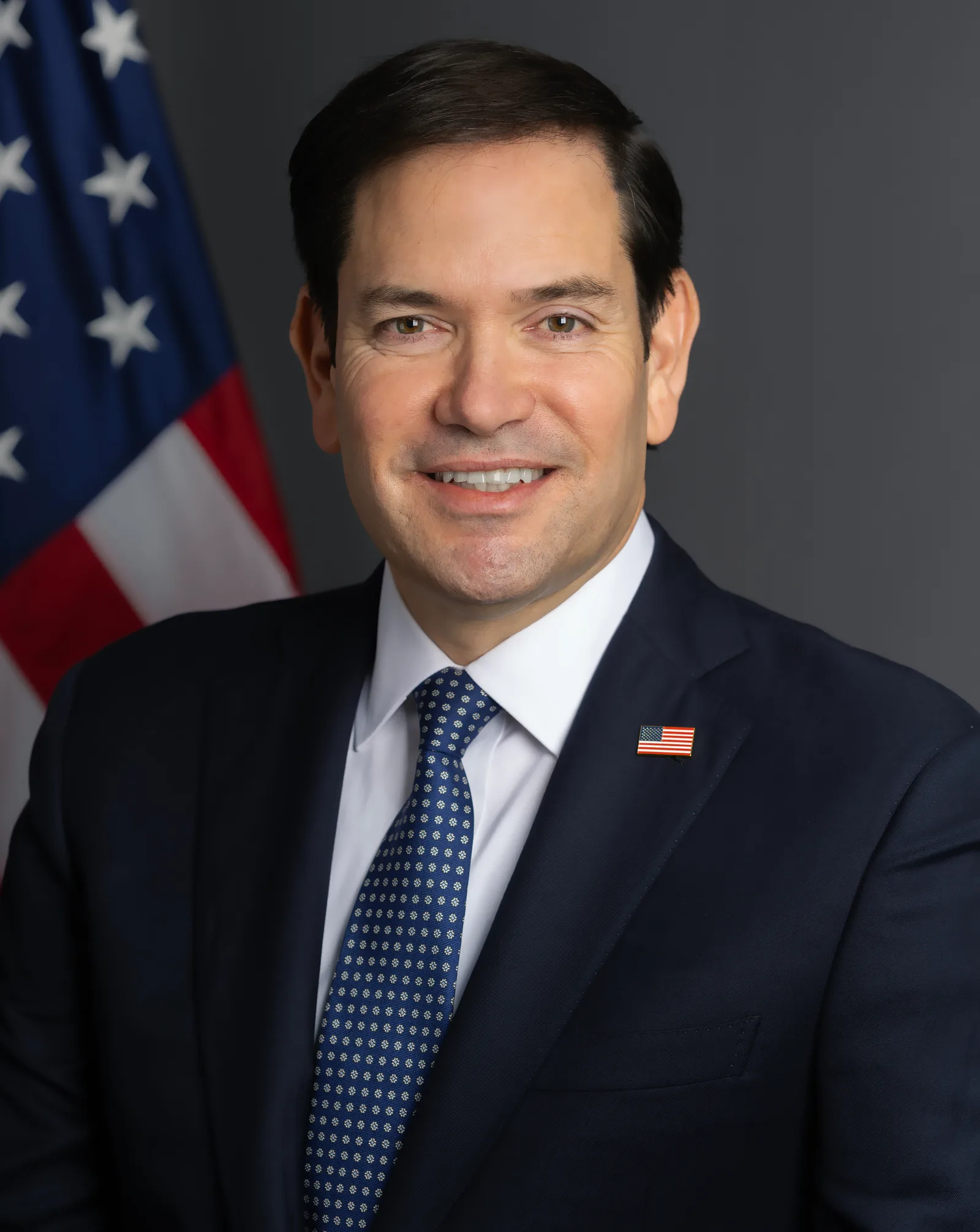 File photo
What happened
Key facts
- Rubio called India a strong partner and said it has the capability to refine heavy crude.
- Rubio said he and his counterpart, the National Security Advisor, care a lot about the matter.
The brief
U.S. Secretary of State Marco Rubio said in Mumbai that the United States and India were close to completing a trade agreement, with a small number of items left to resolve. He said he expected the deal to happen shortly and expressed optimism that the two governments would soon have an agreement in place.
Rubio arrived in India for discussions touching on trade tariffs, defense cooperation and energy security. In remarks reported from Mumbai, he described the countries as very close to finalizing the agreement. His account places the negotiations near completion but leaves the remaining items unspecified.
India's Foreign Minister Subrahmanyam Jaishankar said the meeting covered trade, energy, technology, defense and people-to-people ties. India's Ministry of External Affairs spokesperson Randhir Jaiswal had said that a planned October 20 meeting between Jaishankar and Rubio was expected to address energy, trade and investment, defense, and critical and emerging technologies.
The trade deal remains the central issue in Rubio's public remarks, while the meeting agenda also reflects broader areas of cooperation. On October 14, Rubio described U.S.-India relations as very good and said he saw no problems in the relationship despite the delay in concluding the trade agreement.
That earlier comment framed the delay as a pending negotiation rather than a breakdown in bilateral ties. Energy featured alongside trade in the visit's agenda. Rubio called India a “refining superpower,” while news9live.com reported his description of the two countries as strong strategic partners and his view that they still had more work to do to build their relationship.
The sources connect the energy discussion to cooperation between the governments but do not specify an agreement or outcome on energy. The published accounts place different weight on the visit's components: Arab News foregrounded trade tariffs, defense and energy security, while Hindustan Times focused on Rubio's expectation of a near-term trade agreement.
These are complementary emphases, not conflicting accounts of the remaining work. Jaishankar's account adds technology and people-to-people ties to the subjects discussed. The immediate next step is for the United States and India to settle the remaining trade items.
The sources report Rubio's expectation that an agreement will come shortly, but do not give a signing date or identify the outstanding items.
Why it matters
- The governments of the United States and India have a trade agreement near completion, but the unresolved items still stand between negotiations and a concluded deal.
- Trade is being discussed alongside defense, energy, technology and investment, so the agreement sits within a broader agenda for bilateral cooperation.
- Rubio's description of India as a refining superpower makes energy cooperation a specific economic interest in the talks, though the sources report no energy agreement.
- Jaishankar's stated agenda includes people-to-people ties as well as government and economic issues, extending the visit's scope beyond tariff negotiations.
What to watch next
- Whether the United States and India settle the small number of outstanding trade items Rubio identified.
- Whether the two governments conclude the trade agreement Rubio said would happen shortly; no signing date was specified.
- Whether the agenda areas Jaishankar named—energy, technology, defense and people-to-people ties—produce announced cooperation.
- Whether the planned October 20 meeting between Rubio and Jaishankar addresses the areas Randhir Jaiswal listed, including trade and investment and critical and emerging technologies.
How it's being covered
Coverage analysisShow details7 source articles · 5 unique outletsOutlet political mix: Center Only· 4 Center · 1 unratedWhere the outlets are based: Asia 80% · Middle East 20%
- Coverage is currently concentrated among Center-rated outlets (4 of 4 rated sources); comparatively few Left or Right-rated outlets have published on the event.
- Coverage is currently concentrated among outlets based in Asia (4 of 5 geographically-identified sources).
How outlets' accounts compare
2 framing differences · 2 uncorroborated claims · 2 information gaps- Arab News foregrounded trade tariffs, defense cooperation and energy security as the subjects of Rubio's India visit; Hindustan Times emphasized his optimism that the trade agreement would be finalized soon.
- India Today focused on the planned October 20 agenda and Rubio's earlier comments about bilateral relations, while Arab News reported Jaishankar's account of the meeting's broader subjects.
- Rubio described India as a “refining superpower.”
- Jaishankar said the sides shared views on advancing their ties across several areas.
- The sources do not identify the remaining trade items or explain their negotiating status.
- Rubio said only that a small number of items remained; the sources do not identify them or provide a signing date.
Timeline
Developments from this story's sources, dated background we compiled and fact-checked, and our earlier coverage. Each row says which.- The U.S.-India Trade Policy Forum, established in 2005, provided a standing channel for addressing trade barriers and expanding commerce.Background · from our historical context
- In 2019, the United States ended India’s eligibility for the Generalized System of Preferences, a program that had allowed many Indian goods to enter the U.S. market duty-free.Background · from our historical context
- India announced it would not join the Regional Comprehensive Economic Partnership.Background · compiled and fact-checked by Updat3
- India then imposed retaliatory tariffs on some U.S. goods; in 2023, the two countries agreed to remove those tariffs and settle six disputes at the World Trade Organization.Background · from our historical context
- The trade talks sit within a broader relationship: the two governments’ October 20, 2026, meeting agenda included trade and investment alongside energy, defense and technology.Background · from our historical context
How we got here
On October 14, 2026, Marco Rubio described U.S.-India relations as very good despite the delay in completing a trade agreement, according to India Today and The Times of India. The trade talks sit within a broader relationship: the two governments’ October 20, 2026, meeting agenda included trade and investment alongside energy, defense and technology.
The U.S.-India Trade Policy Forum, established in 2005, provided a standing channel for addressing trade barriers and expanding commerce. In 2019, India withdrew from negotiations for the Regional Comprehensive Economic Partnership, a proposed Asia-Pacific trade pact, and in 2022 it declined to join the trade pillar of the U.S.-led Indo-Pacific Economic Framework.
Original sources
7 articles from 5 outletsEvery story links to the reporting it was built from. How we choose sources
Spotted a factual error, a broken link or a misleading summary? Tell us.