
Trump floats Cuba stop for U.S. warships as Rubio urges CIA partnership
Marco Rubio urged Cubans to pursue change through a discreet partnership with the CIA, while Donald Trump said U.S. warships returning from Iran could pass near Cuba. Trump said a ship could stop about 50 yards off the coast and that he would send Rubio to negotiate.
AI-assisted synthesis · Based on 5 outlets' reporting · Article text read from 2 of 5 outletsHow it's made
View timeline · 11 entries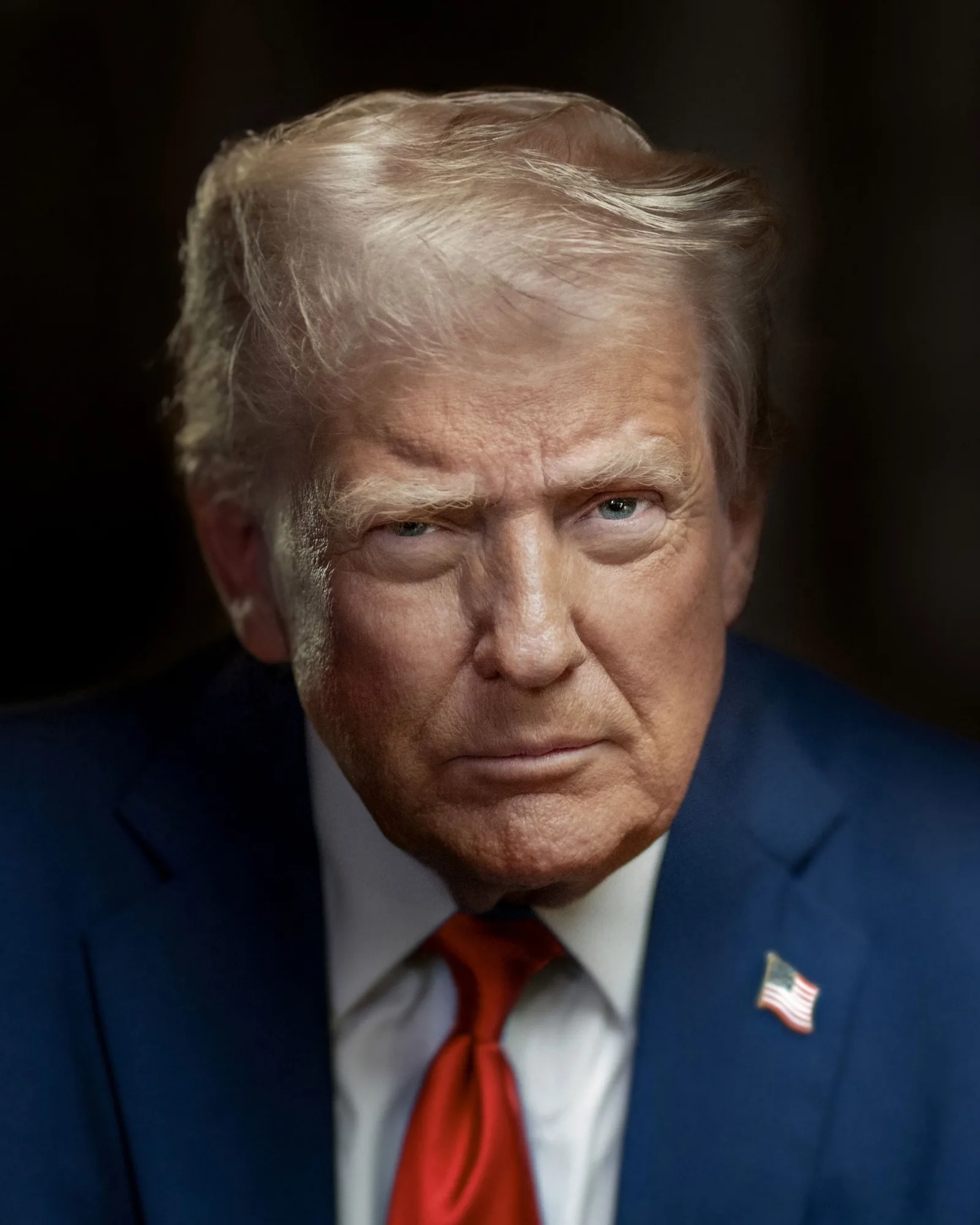 File photo
What happened
Key facts
- Marco Rubio urged Cubans to work with the CIA discreetly to seek political change in Cuba (per newscord.org, The Times of India, The Hindu).
- Rubio called for Cubans seeking change to act in a post on X (per newscord.org, The Times of India).
- Trump said U.S. warships returning from Iran could pass Cuba on their way back (per newscord.org, The Times of India).
- Trump said a ship could stop about 50 yards off Cuba’s coast (per newscord.org, The Times of India).
- Trump said people would raise their hands if a ship stopped near Cuba (per newscord.org, The Times of India).
- Trump said he would send Rubio to negotiate (per newscord.org, The Times of India).
- The U.S. Department of State announced sanctions on September 18 against 11 actors in Cuba’s economic and security apparatus (per newscord.org).
The brief
Marco Rubio urged Cubans to work discreetly with the CIA to bring about political change, while Donald Trump said U.S. warships returning from Iran could pass Cuba and suggested that one might stop close to the island. The remarks linked Rubio’s public appeal for change with Trump’s description of a possible naval stop and a negotiation he said he would assign to Rubio.
Rubio, the U.S. secretary of state, made his appeal in a post on X. He called on Cubans who want change to seize the opportunity and pursue it through a discreet partnership with the CIA. The Times of India also reported that Rubio accused Cuban government officials of enjoying privileged lives while citizens faced failed promises and corruption.
Those are Rubio’s allegations, rather than independently established findings in the reporting. Trump spoke about Cuba at a rally in Florida. He said U.S. warships coming back from Iran could pass Cuba, and described a possible stop about 50 yards off the coast. Trump also said people would raise their hands and that he would send Rubio to negotiate.
His comments describe a hypothetical course of action; they do not establish that a ship has made such a stop or that negotiations have begun. The two officials’ remarks put different emphasis on the proposed change. Rubio’s appeal focused on Cubans working with the CIA, while Trump spoke about warships and a possible negotiation led by Rubio.
The Times of India reported that Trump said he sought regime change in Cuba. Newscord’s account adds that the warships would be returning from Iran, a detail absent from the Times of India excerpt. There is also a recent U.S. sanctions measure in the background: the U.S.
Department of State announced sanctions on September 18 against 11 actors in Cuba’s economic and security apparatus. The department said the measures covered four state-run enterprises connected to nickel reserves, four military entities involved in research and development, and three senior military officials.
The reported sanctions and the officials’ current remarks are separate developments; the reporting does not establish that one caused the other. The accounts place Rubio’s appeal and Trump’s comments in the same stretch of public messaging about Cuba, but the proposals remain statements by the U.S. officials.
Trump outlined a possible ship stop and said Rubio would negotiate; Rubio urged a discreet CIA partnership as a means of pursuing change. The reporting does not document an ensuing naval stop or negotiation.
Why it matters
- Cubans are the population directly addressed by Rubio’s call to partner discreetly with the CIA; the proposed mechanism is political cooperation with a U.S. intelligence agency.
- Trump’s hypothetical naval stop would place U.S. warships about 50 yards off Cuba’s coast, linking his remarks to a visible military presence near the island.
- The U.S. sanctions described by the State Department cover 11 actors, including four state-run enterprises tied to nickel reserves and four military research-and-development entities.
What to watch next
- Whether U.S. warships returning from Iran pass Cuba, as Trump said they could.
- Whether a ship stops about 50 yards off Cuba’s coast, the distance Trump described.
- Whether Trump sends Rubio to negotiate, as he said he would.
- Whether Cubans take up Rubio’s call for a discreet partnership with the CIA.
How it's being covered
Coverage analysisShow details5 source articles · 5 unique outletsOutlet political mix: Center Only· 3 Center · 2 unratedWhere the outlets are based: Asia 40% · Unknown 40% · Other 20%
- Coverage is currently concentrated among Center-rated outlets (3 of 3 rated sources); comparatively few Left or Right-rated outlets have published on the event.
How outlets' accounts compare
2 framing differences · 3 uncorroborated claims · 2 information gaps- The Times of India reports Rubio’s criticism of Cuban government officials’ privileged lives and failed promises; Newscord focuses on the discreet CIA partnership and Trump’s proposed ship stop and negotiation.
- Newscord says the warships could pass Cuba while returning from Iran; the Times of India excerpt reports Trump’s possible stop near Cuba but does not mention the Iran route.
- Rubio’s claims about corruption, failed promises and officials’ privileged lives are attributed to him in the Times of India.
- Trump said a ship could stop about 50 yards off Cuba’s coast and that people would raise their hands.
- Rubio urged Cubans seeking change to pursue it through a discreet partnership with the CIA.
- The sources do not describe any Cuban government response to Rubio’s appeal or Trump’s remarks.
- Trump’s remarks describe a possible stop and future negotiation, not completed events.
Timeline
Developments from this story's sources, dated background we compiled and fact-checked, and our earlier coverage. Each row says which.- Fidel Castro’s revolution brought a new government to power in Cuba.Background · compiled and fact-checked by Updat3
- The Eisenhower administration imposed a broad trade embargo on Cuba.Background · compiled and fact-checked by Updat3
- In April 1961, Cuban exiles backed by the CIA landed at the Bay of Pigs in an unsuccessful attempt to overthrow Castro’s government.Background · from our historical context
- In October 1962, the Cuban Missile Crisis brought the United States and Soviet Union close to war after the Soviet Union deployed nuclear missiles in Cuba.Background · from our historical context
- President Bill Clinton signed the Helms–Burton Act, codifying the Cuba embargo and linking its removal to political change.Background · compiled and fact-checked by Updat3
- The opening Rubio-era officials later sought to reverse had begun on December 17, 2014, when Obama and Cuban President Raúl Castro announced plans to restore diplomatic relations.Background · from our historical context
- The United States and Cuba reopened their embassies in Washington and Havana.Background · compiled and fact-checked by Updat3
- President Donald Trump announced tighter restrictions on travel and commerce with Cuba.Background · compiled and fact-checked by Updat3
- On April 17, 2019, the administration announced that it would allow lawsuits under Title III of the Helms–Burton Act against companies using property confiscated by the Cuban government.Background · from our historical context
- The United States and Israel launched coordinated strikes across Iran, beginning the current war.Background · compiled and fact-checked by Updat3
- The U.S. Department of State announced sanctions on September 18 against 11 actors in Cuba’s economic and security apparatus.
How we got here
The closest precedent for Marco Rubio’s Cuba policy was the first Trump administration’s turn away from the US–Cuba opening: on June 16, 2017, President Donald Trump announced tighter restrictions on travel and commerce, reversing parts of the rapprochement begun under President Barack Obama.
The 2017 policy was shaped in part by Rubio, then a Florida senator who had long advocated pressure on Cuba’s government. On April 17, 2019, the administration announced that it would allow lawsuits under Title III of the Helms–Burton Act against companies using property confiscated by the Cuban government.
Original sources
1 of 5 articles · US/Canada · Show allEvery story links to the reporting it was built from. How we choose sources
Spotted a factual error, a broken link or a misleading summary? Tell us.