
Rubio appeals to Cubans to pursue change through CIA partnership
Secretary of State Marco Rubio urged Cubans to pursue political change through what he called a “discrete partnership” with the CIA. In a post on X, he said it was time for those seeking positive change in Cuba to act.
AI-assisted synthesis · Based on 5 outlets' reporting · Article text read from 2 of 5 outletsHow it's made
View timeline · 11 entries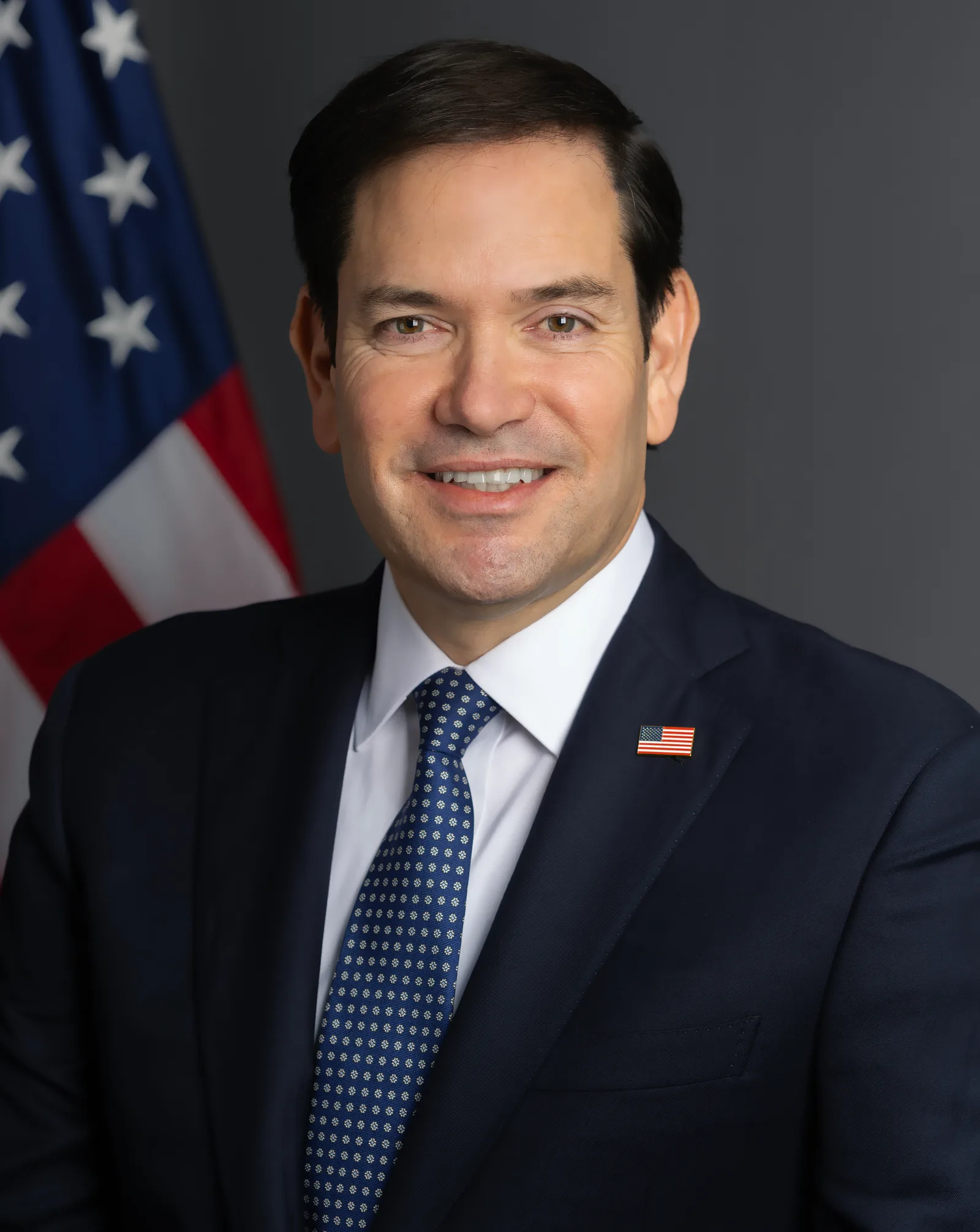 File photo
What happened
Key facts
- Rubio urged Cubans to work with the CIA through a partnership he described as “discreet” or “discrete.” (per cubaheadlines.com, Washington Examiner, Fox News).
- Rubio said in his X post that “now is the time” for those seeking positive change in Cuba (per Washington Examiner, The Guardian, cubaheadlines.com).
- Rubio cited failed promises, corruption and the privileged lives of a small elite as reasons for Cubans to seek change (per cubaheadlines.com, Washington Examiner).
- Rubio described Cuba as lacking a functional economy and said its leaders continued to promote a revolution that had not worked for 20 years (per Washington Examiner).
- Rubio said Cuba’s government had jailed and killed people (per Washington Examiner, cubaheadlines.com).
- Rubio announced sanctions against Cuban bank BICSA on October 15, accusing it of hosting Iranian military and intelligence operations less than 100 miles from U.S. soil (per cubaheadlines.com).
The brief
Secretary of State Marco Rubio urged Cubans to seek political change through a partnership with the CIA, making a direct appeal to the population in a post on X. The Guardian, Fox News and The Australian also reported the appeal in their headlines, describing its aim as political change and its proposed CIA connection.
Rubio’s post said those seeking positive change should act now and pursue what he called a “discrete partnership” with the CIA.
The Washington Examiner quoted his appeal as urging Cubans to seize an opportunity to create change; Cuba Headlines likewise reported that he called for a “discreet partnership.” The accounts use different spellings of the word describing the partnership, but both identify the CIA as the proposed partner.
Rubio framed the appeal around conditions in Cuba, citing failed promises, corruption and the privileged lives of a small elite. The Washington Examiner also quoted him describing Cuba as lacking a functional economy and saying its leaders continued to promote a revolution that had not worked for 20 years.
He said the Cuban government had jailed and killed people; the sources provide no figures or additional details for that claim. The Washington Examiner described Rubio as making the appeal on Friday, while Cuba Headlines said it appeared on his verified X account and had drawn more than 100,000 views.
The Guardian’s headline emphasizes his call for Cubans to act, while Fox News and The Australian foreground the proposed CIA partnership; The Australian’s headline additionally highlights discretion. Those differences concern emphasis, rather than competing accounts of what Rubio urged. Cuba Headlines places the appeal alongside two earlier public actions by Rubio.
It reported that he announced sanctions against Cuban bank BICSA on October 15, accusing the bank of hosting Iranian military and intelligence operations less than 100 miles from U.S. soil.
The same outlet said Rubio had warned on October 5 that Cuban leaders would need to change course or “learn the hard way.” These are that outlet’s accounts of his prior statements and the accusation; no response from BICSA or Cuban authorities is reported.
Cuba Headlines also reported that CIA Director John Ratcliffe visited Havana in May and met Cuban Interior Minister Lázaro Álvarez Casas and Raúl Castro’s grandson. It said Ratcliffe conveyed President Donald Trump’s demand for “fundamental changes” as a condition for dialogue, attributing that account to Reuters and France24.
The cited account makes the earlier visit relevant context for Rubio’s appeal, but does not establish a direct connection between that meeting and the proposed CIA partnership. The appeal is therefore both a public call for political change and a suggestion that Cubans engage with the CIA.
The sources do not report whether Cuban authorities or the people Rubio addressed responded.
Why it matters
- Cubans are the population Rubio addressed; the proposed mechanism is a discreet or discrete partnership with the CIA, which he presented as a way to pursue political change.
- Rubio tied his appeal to failed promises, corruption and the privileged lives of a small elite, framing these as grievances motivating change.
- Cuba Headlines reported that Rubio’s verified X post received more than 100,000 views, indicating its reported online reach.
- Cuba Headlines said Rubio accused BICSA of hosting Iranian military and intelligence operations less than 100 miles from U.S. soil; the reported U.S. sanctions put the bank at stake.
What to watch next
- Whether Cuban authorities respond to Rubio’s public appeal.
- Whether Cubans addressed by Rubio engage with the proposed CIA partnership.
- Whether BICSA or Cuban authorities address the sanctions Rubio announced on October 15 and his accusation about the bank.
- Whether the earlier meeting in Havana involving CIA Director John Ratcliffe is followed by further stated conditions for dialogue.
How it's being covered
Coverage analysisShow details5 source articles · 5 unique outletsOutlet political mix: Mostly Right· 1 Left · 3 Right · 1 unratedWhere the outlets are based: US/Canada 40% · Europe 20% · Other 40%
- Coverage is currently concentrated among Right-rated outlets (3 of 4 rated sources); comparatively few Center-rated outlets have published on the event.
How outlets' accounts compare
3 framing differences · 3 uncorroborated claims · 4 information gaps- The Guardian’s headline emphasizes Rubio urging Cubans to act for political change; Fox News and The Australian foreground his proposed CIA partnership.
- The Australian headline highlights Rubio’s call for discretion, while Fox News stresses the CIA link and Cuba Headlines and The Washington Examiner describe the partnership as “discreet” or “discrete.”
- The Washington Examiner says Rubio called the partnership “discrete,” while Cuba Headlines calls it “discreet”; the source text does not clarify whether the spelling difference reflects distinct wording or an editorial variation.
- Cuba Headlines attributes to Rubio the allegation that BICSA housed Iranian military and intelligence operations; the allegation is not presented as independently confirmed.
- Rubio urged those seeking positive change in Cuba that “now is the time,” as quoted by The Washington Examiner and reflected in The Guardian’s headline.
- Rubio cited failed promises, corruption and the privileged lives of a small elite as reasons to seek change, according to Cuba Headlines and The Washington Examiner.
- The sources do not provide BICSA’s response to Rubio’s accusation or explain the practical terms or scope of the sanctions.
- The sources do not give details or figures supporting Rubio’s statement that Cuba’s government had jailed and killed people.
- The sources do not report whether Cuban authorities or the people addressed by Rubio responded.
- Cuba Headlines reports that Rubio accused BICSA of hosting Iranian military and intelligence operations; no corroboration or response to that accusation appears in the sources.
Timeline
Developments from this story's sources, dated background we compiled and fact-checked, and our earlier coverage. Each row says which.- That measure came amid a long-running U.S. policy of economic pressure on Cuba, established after Fidel Castro’s government took power in 1959.Background · from our historical context
- Cuba’s new government nationalized U.S.-owned property.Background · compiled and fact-checked by Updat3
- The United States imposed an export embargo on Cuba.Background · compiled and fact-checked by Updat3
- CIA-backed Cuban exiles landed at the Bay of Pigs in a failed invasion.Background · compiled and fact-checked by Updat3
- President John F. Kennedy expanded the U.S. embargo on Cuba.Background · compiled and fact-checked by Updat3
- President Bill Clinton signed the Cuban Liberty and Democratic Solidarity Act, also known as the Helms-Burton Act.Background · compiled and fact-checked by Updat3
- Barack Obama and Raúl Castro announced the restoration of diplomatic relations between the United States and Cuba.Background · compiled and fact-checked by Updat3
- President Donald Trump reversed parts of Obama’s policy, including by imposing new travel and business restrictions in 2017.Background · from our historical context
- The Trump administration returned Cuba to the U.S. list of state sponsors of terrorism.Background · compiled and fact-checked by Updat3
- On July 11, 2021, protests took place in Cuba amid economic hardship and public anger; Cuban authorities arrested demonstrators, and human-rights organizations documented prosecutions and imprisonment.Background · from our historical context
- AllegedRubio announced sanctions against Cuban bank BICSA on October 15, accusing it of hosting Iranian military and intelligence operations less than 100 miles from U.S. soil.
How we got here
On October 15, before Rubio’s appeal, he announced sanctions against Cuba’s Banco Internacional de Comercio S.A. (BICSA), accusing it of hosting Iranian military and intelligence operations. That measure came amid a long-running U.S. policy of economic pressure on Cuba, established after Fidel Castro’s government took power in 1959.
The Cuban Revolution toppled Fulgencio Batista on January 1, 1959, and the new government nationalized U.S.-owned property in 1960. The United States imposed an export embargo on Cuba in October 1960; President John F. Kennedy expanded it on February 7, 1962.
Original sources
1 of 5 articles · Asia · Show allEvery story links to the reporting it was built from. How we choose sources
Spotted a factual error, a broken link or a misleading summary? Tell us.