
Russia releases jailed US prisoner during Trump envoy’s meeting with Putin
Russia released a jailed US prisoner while Donald Trump’s special envoy met Vladimir Putin. The Sydney Morning Herald did not name the prisoner in its article text.
AI-assisted synthesis · Based on 5 outlets' reporting · Article text read from 1 of 5 outletsHow it's made
View timeline · 9 entries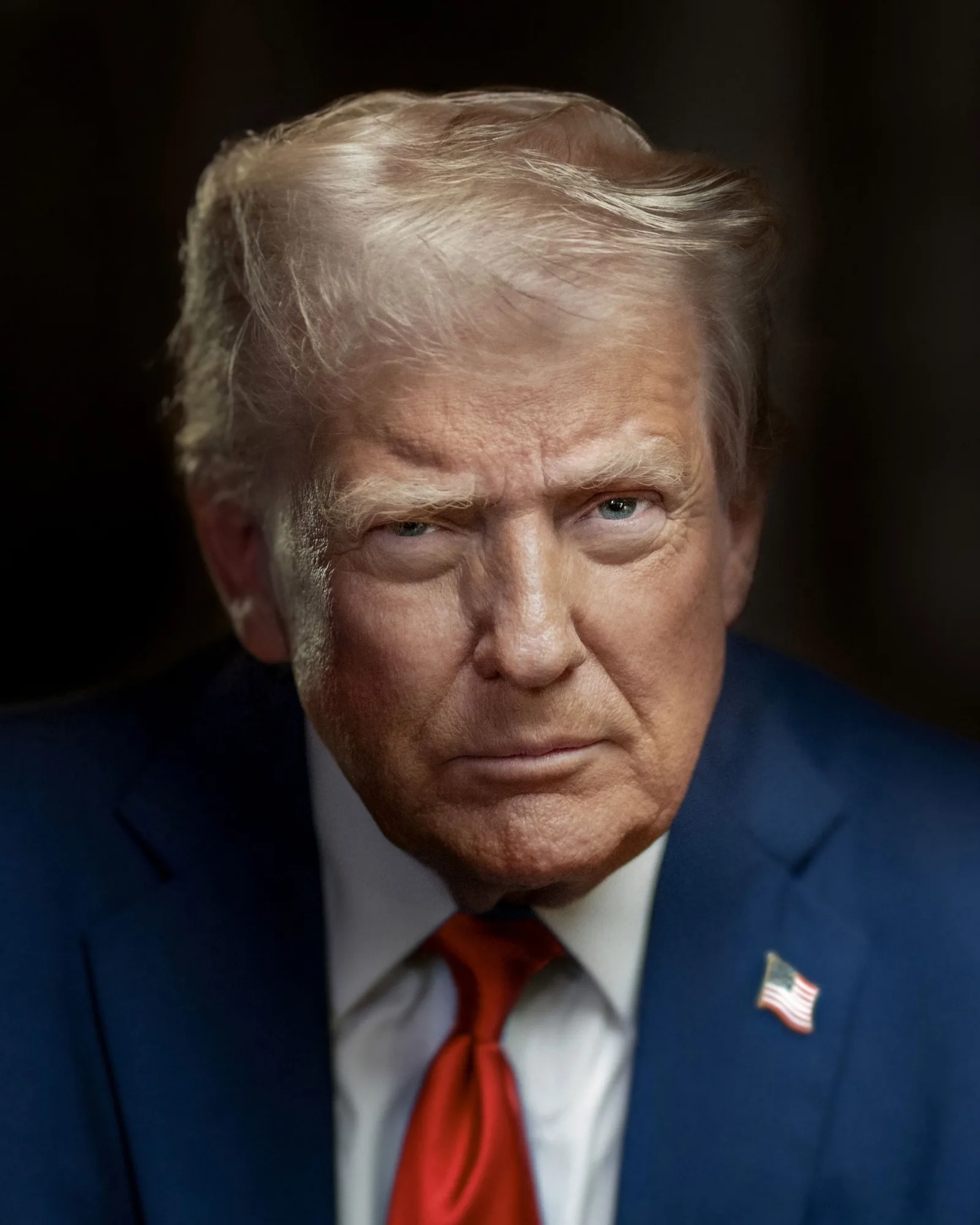 File photo
What happened
Key facts
- Russia released a US prisoner who had been jailed (per The Sydney Morning Herald).
- Donald Trump’s special envoy met Vladimir Putin as Russia released the prisoner (per The Sydney Morning Herald).
- The Guardian headline says Vladimir Putin ordered the release of a jailed American while meeting Trump’s envoy for Ukraine talks (per The Guardian, The Sydney Morning Herald).
- The NPR headline says the release followed a request from Trump (per NPR, The Sydney Morning Herald).
- The CBS News headline attributes to Trump the statement that there was no “swap.” (per CBS News, The Sydney Morning Herald).
The brief
Russia released a jailed US prisoner while Donald Trump’s special envoy met Vladimir Putin, according to The Sydney Morning Herald. Its article text describes the prisoner as a US national who had been jailed, but does not give the person’s name. The release and the meeting are presented as coinciding; the article does not say that one caused the other.
The Guardian’s headline adds that Putin ordered the release and describes the envoy’s meeting with him as being for Ukraine talks. The Sydney Morning Herald identifies the visitor only as Trump’s special envoy. Neither headline nor article text in these accounts names the envoy, so the visitor’s identity is not established here.
Three headlines identify the released prisoner as Stephen Hubbard: CBS News, NPR and Reuters. CBS News characterizes him as a US citizen who had spent years in jail. Reuters frames its headline around the question of who Hubbard is, while NPR says the release followed a request from Trump.
Those details come from the headlines; The Sydney Morning Herald’s article text does not name Hubbard or describe his case. CBS News also attributes to Trump the statement that there was no “swap.” That headline provides his characterization of the release, but does not identify another prisoner or describe an exchange.
NPR’s headline separately links the release to a request from Trump, without giving the request’s wording or further details. The accounts thus identify the event as Russia’s release of a jailed US prisoner during an envoy’s meeting with Putin, while the headlines supply Hubbard’s name and additional claims about the circumstances.
The available account from The Sydney Morning Herald does not describe the meeting’s discussion or the circumstances of the release beyond its timing alongside the meeting.
Why it matters
- The event concerns a jailed US prisoner; Russia’s release ended that person’s detention, though the article text does not provide details about the person or the detention.
- The Guardian headline connects the meeting to Ukraine talks, making the envoy’s diplomatic agenda a documented part of the event’s framing.
- NPR attributes the release to a request from Trump, while CBS News attributes to him the statement that there was no “swap”; the headlines do not explain the request or characterize any exchange beyond that denial.
What to watch next
- Whether Russia or the Kremlin provides further details about the release or the circumstances surrounding it.
- Whether Trump or his special envoy identifies the request described in NPR’s headline or elaborates on the “no ‘swap’” statement reported in CBS News’ headline.
- Whether the envoy’s Ukraine talks with Putin produce a stated outcome.
How it's being covered
Coverage analysisShow details5 source articles · 5 unique outletsOutlet political mix: Mostly Center· 1 Left · 4 CenterWhere the outlets are based: US/Canada 40% · Europe 20% · Other 40%
- Coverage is currently concentrated among Center-rated outlets (4 of 5 rated sources); comparatively few Right-rated outlets have published on the event.
One source is from a wire service (AP, Reuters, AFP or Bloomberg), whose reporting other outlets often republish.
How outlets' accounts compare
Timeline
Developments from this story's sources, dated background we compiled and fact-checked, and our earlier coverage. Each row says which.- The UN Mercenary Convention, adopted on December 4, 1989, provides an international framework against mercenary recruitment and activity, though the United States is not a party.Background · from our historical context
- In 2008, NATO’s Bucharest Summit declaration said Ukraine and Georgia “will become members”; Russia later cited NATO’s eastward enlargement and Ukraine’s relations with the alliance as security concerns.Background · from our historical context
- Vladimir Putin signed a treaty with Crimean leaders to incorporate Crimea into Russia; Ukraine rejected the annexation.Background · compiled and fact-checked by Updat3
- The war that formed the setting for Hubbard’s case began with Russia’s full-scale invasion of Ukraine on February 24, 2022.Background · from our historical context
- The United States released Viktor Bout in exchange for Russia’s release of Brittney Griner.Background · compiled and fact-checked by Updat3
- Russia and Belarus released 16 people in a multinational prisoner exchange, including Evan Gershkovich and Paul Whelan.Background · compiled and fact-checked by Updat3
- In October 2024, a court in Moscow convicted him and sentenced him to six years and 10 months in prison; Hubbard pleaded guilty, according to reports at the time.Background · from our historical context
- Donald Trump was inaugurated for a second, non-consecutive term as U.S. president.Background · compiled and fact-checked by Updat3
- Donald Trump and Vladimir Putin discussed a proposed pause in attacks on energy infrastructure during a phone call.Background · compiled and fact-checked by Updat3
How we got here
In October 2024, a court in Moscow convicted him and sentenced him to six years and 10 months in prison; Hubbard pleaded guilty, according to reports at the time. Russia’s Criminal Code, Article 359, criminalizes recruiting, training, financing or using mercenaries, as well as participation in armed conflict as a mercenary.
The UN Mercenary Convention, adopted on December 4, 1989, provides an international framework against mercenary recruitment and activity, though the United States is not a party.
Original sources
5 articles from 5 outletsEvery story links to the reporting it was built from. How we choose sources
Spotted a factual error, a broken link or a misleading summary? Tell us.