
Russian attacks on Ukraine’s energy infrastructure a war crime: UN
The United Nations characterized Russian attacks on Ukraine’s energy infrastructure as a war crime. The available source is a headline and provides no further details about the finding or its scope.
AI-assisted synthesis · Based on 5 outlets' reporting · Article text read from 1 of 5 outletsHow it's made
View timeline · 6 entries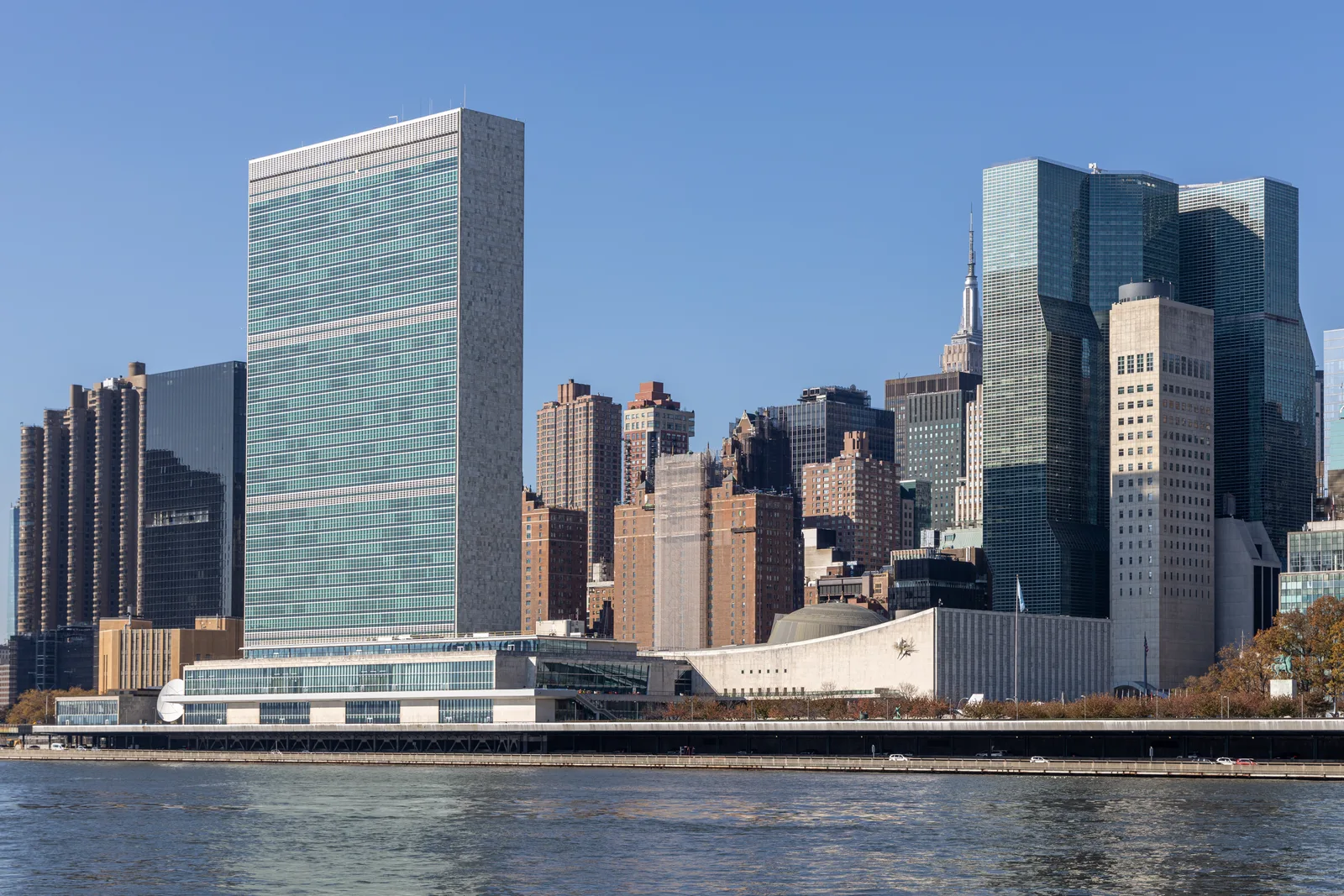 File photo
What happened
Key facts
- The United Nations characterized Russian attacks on Ukraine’s energy infrastructure as a war crime.
- The attacks identified in the headline targeted Ukraine’s energy infrastructure.
- The headline attributes the attacks to Russia.
- Russia’s full-scale invasion of Ukraine began on February 24, 2022.
- The UN Human Rights Council established the Independent International Commission of Inquiry on Ukraine on March 4, 2022.
The brief
A UN inquiry concluded that Russian authorities committed war crimes and crimes against humanity through attacks on Ukraine’s energy infrastructure, according to Anadolu Agency. The Independent International Commission of Inquiry on Ukraine said Russian forces intentionally targeted civilian facilities, linking the attacks to widespread suffering.
The commission said the campaign was conducted under a state policy intended to deprive civilians of essential services. The commission reported that millions of people in Ukraine faced lengthy outages affecting heating, electricity, water and gas. It highlighted conditions during the winter of 2025-2026, saying the interruptions left civilians coping with severe hardship.
The inquiry’s findings concern attacks on energy infrastructure and the effects on access to essential services. Commission chair Erik Mose warned that attacks had intensified again as the cold season approached. He said this raised serious concerns about threats to civilians’ lives and health.
The warning presents the renewed attacks as an immediate civilian-safety concern; the account does not provide a count of casualties or outage durations. The commission submitted its report to the UN General Assembly. Its findings and conclusions are those of the independent investigative body, as reported by Anadolu Agency.
The account identifies no Russian government response to the inquiry’s conclusions. The report also describes a separate finding: Russian authorities trafficked men from 29 countries into military service through deception and coercion. The account does not specify the countries, the number of men involved, or how the commission established the finding.
This trafficking allegation is distinct from the inquiry’s conclusions about attacks on energy infrastructure. The commission’s assessment places civilian infrastructure and access to essential services at the centre of its findings.
Its stated concerns include the renewed attacks as colder weather approaches, the reported outages affecting millions, and risks to civilian lives and health. The report’s submission to the General Assembly gives that body the findings, including the commission’s conclusions on war crimes and crimes against humanity.
Why it matters
- Civilians in Ukraine face outages to heating, electricity, water and gas; the commission said millions experienced lengthy interruptions.
- The commission linked the energy attacks to civilian hardship and warned that renewed attacks as colder weather approaches threaten civilians’ lives and health.
- The commission’s findings on war crimes and crimes against humanity were submitted to the UN General Assembly.
What to watch next
- Whether the UN General Assembly takes up the commission’s submitted report.
- Whether the commission chair’s warning about renewed attacks as the cold season approaches is followed by further findings on civilian risks.
- Whether the Russian authorities respond to the commission’s conclusions.
How it's being covered
Coverage analysisShow details5 source articles · 5 unique outletsOutlet political mix: Too few rated· 1 Center · 4 unratedWhere the outlets are based: Middle East 40% · Unknown 40% · Other 20%
One source is from a wire service (AP, Reuters, AFP or Bloomberg), whose reporting other outlets often republish.
How outlets' accounts compare
Timeline
Developments from this story's sources, dated background we compiled and fact-checked, and our earlier coverage. Each row says which.- The bridge links Russia with occupied Crimea, which Russia illegally annexed in 2014.Background · from our historical context
- Russia’s full-scale invasion of Ukraine began on February 24, 2022, and quickly placed civilian infrastructure under severe pressure.Background · from our historical context
- The UN Human Rights Council established the Independent International Commission of Inquiry on Ukraine.Background · compiled and fact-checked by Updat3
- An explosion damaged the Kerch Strait Bridge linking Russia with occupied Crimea.Background · compiled and fact-checked by Updat3
- Russian forces launched missile and drone attacks across Ukraine that hit power facilities.Background · compiled and fact-checked by Updat3
- The UN Commission of Inquiry on Ukraine published a report documenting violations by Russian forces.Background · compiled and fact-checked by Updat3
How we got here
Russia’s full-scale invasion of Ukraine began on February 24, 2022, and quickly placed civilian infrastructure under severe pressure.
The UN Human Rights Council established the Independent International Commission of Inquiry on Ukraine on March 4, 2022, to investigate alleged violations of international human rights law and international humanitarian law connected with the invasion.
Original sources
2 of 5 articles · Unknown · Show allEvery story links to the reporting it was built from. How we choose sources
Spotted a factual error, a broken link or a misleading summary? Tell us.