
Russian Foreign Minister Sergey Lavrov arrives in U.S. for G20 meeting
Sergey Lavrov arrived in the United States to represent Russia at a G20 meeting, bringing Moscow’s top diplomat to a forum that includes both Russia and the U.S. alongside other major economies.
AI-assisted synthesis · Based on 5 outlets' reporting · Article text read from 1 of 5 outletsHow it's made
View timeline · 7 entries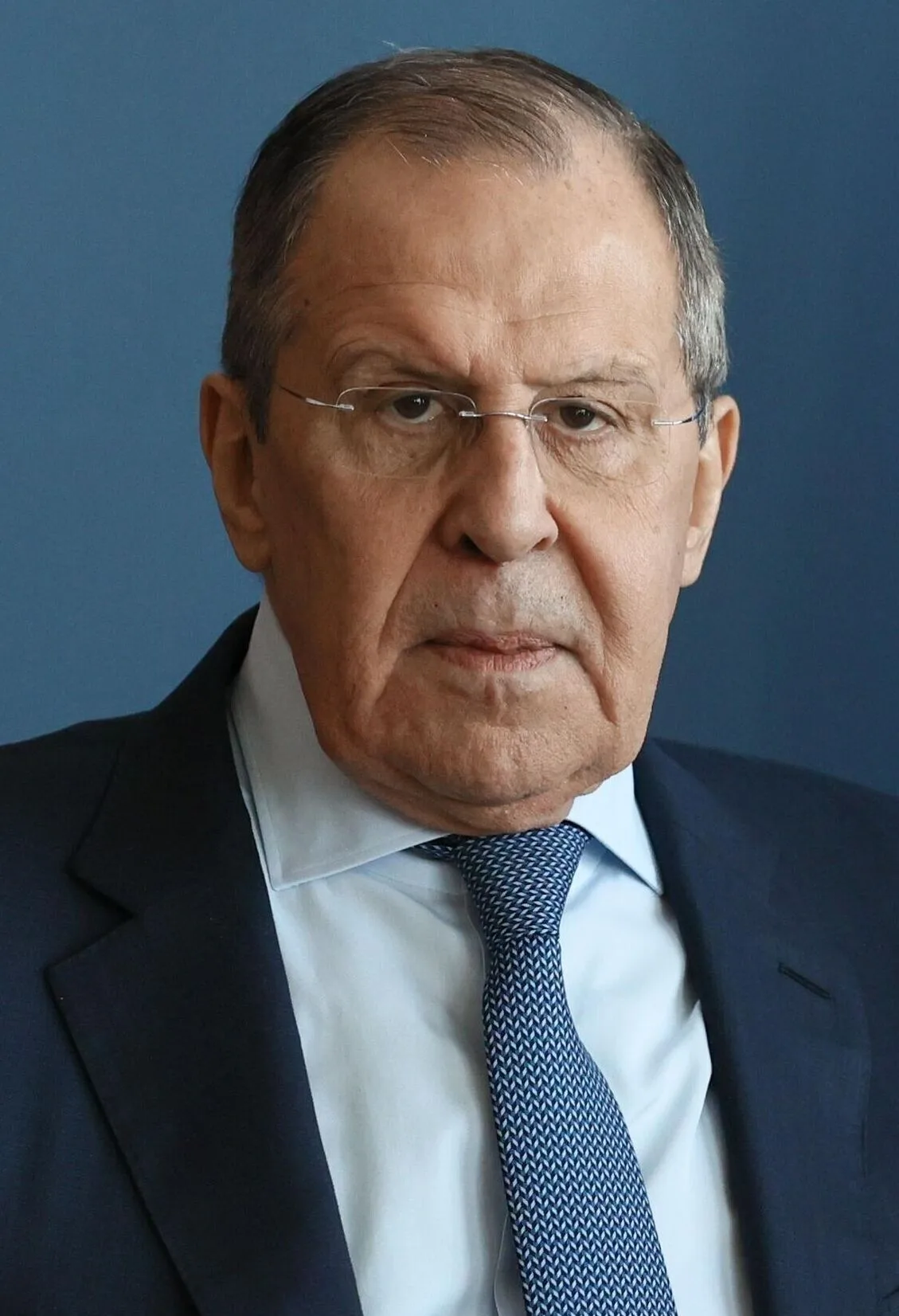 File photo
What happened
Key facts
- The meeting is taking place in Atlanta (per arabnews.pk, devdiscourse.com).
- The gathering is a two-day meeting of G20 foreign ministers (per arabnews.pk).
- TASS reported Lavrov’s arrival on Friday (per arabnews.pk).
- Moscow said Lavrov would use his speech to argue against international sanctions (per arabnews.pk).
- The Kyiv Post headline describes outcry over Lavrov’s arrival and states that some said he should not be allowed in the United States (per kyivpost.com, arabnews.pk).
The brief
Russian Foreign Minister Sergey Lavrov arrived in the United States to attend a G20 foreign ministers’ meeting in Atlanta, Arab News reported, citing the Russian state-owned TASS news agency. The two-day gathering brings together foreign ministers from major economies. The outlet said TASS reported the arrival on Friday.
Moscow said Lavrov would use his speech at the meeting to argue against international sanctions. That is the Russian government’s stated position on what he plans to address; Arab News did not report the speech itself or quote Lavrov directly. The meeting is expected to precede the G20 leaders’ summit scheduled for December in Miami.
Arab News said the summit is planned for President Donald Trump’s Doral resort. The Atlanta talks are described as setting the stage for that later leaders’ gathering. The meeting also comes before planned discussions involving officials from Moscow, Kyiv and Washington about efforts to broker an end to the war in Ukraine.
Arab News presented those talks as upcoming, without specifying their date, venue, participants by name or expected format. The Kyiv Post headline framed Lavrov’s arrival as drawing outcry, with the phrase “Lavrov Should Not Be Allowed in US.” The headline does not identify who made that call or provide details about the objections.
The Hindu and The Times of Israel headlines also report his arrival for a G20 meeting, while Devdiscourse’s headline specifies Atlanta and the foreign ministers’ meeting. Arab News placed the meeting against a backdrop of stalemates on several fronts, including the U.S.-Iran war and fighting in Ukraine, and said oil prices remain high.
It also noted that the gathering takes place shortly before U.S. midterm elections. The outlet did not provide figures for oil prices or further details about those disputes. The immediate diplomatic agenda it identifies is Lavrov’s planned sanctions argument, followed by the G20 leaders’ summit and the proposed Moscow-Kyiv-Washington discussions on Ukraine.
Why it matters
- Lavrov’s presence gives Moscow a direct forum to press its case against sanctions before foreign ministers from major economies, while other delegations can challenge that position in person. His arrival also puts the U.S. government’s decision to host a Russian official amid the war in Ukraine under scrutiny, though the meeting itself does not change sanctions or policy.
What to watch next
- Over the next two days, watch whether Lavrov delivers his remarks in Atlanta and whether he explicitly calls for sanctions to be lifted.
- During the meeting, watch whether U.S. officials hold bilateral talks with Lavrov or limit contact to formal G20 sessions.
- By the meeting’s close, watch whether G20 foreign ministers issue a joint statement and whether it addresses Russia’s war in Ukraine.
- In the coming days, watch for public responses from U.S. officials and Ukrainian representatives to Lavrov’s participation and any meeting outcomes.
How it's being covered
Coverage analysisShow details5 source articles · 5 unique outlets · 4 distinct reportsOutlet political mix: Too few rated· 2 Center · 3 unratedWhere the outlets are based: Asia 60% · Europe 20% · Other 20%
How outlets' accounts compare
Timeline
Developments from this story's sources, dated background we compiled and fact-checked, and our earlier coverage. Each row says which.- Finance ministers and central-bank governors from 19 countries and the European Union established the forum in 1999, after the Asian financial crisis.Background · from our historical context
- G20 leaders began meeting at summit level in Washington.Background · compiled and fact-checked by Updat3
- The sanctions dispute surrounding Moscow grew sharply after Russia annexed Crimea in March 2014.Background · from our historical context
- On February 24, 2022, Russia launched its full-scale invasion of Ukraine.Background · from our historical context
- In September 2022, the United States issued visas for Lavrov and other Russian officials to attend the UN General Assembly in New York, despite a dispute over visa access for members of Russia’s delegation.Background · from our historical context
- Sergey Lavrov took part in the G20 foreign ministers’ meeting in Rio de Janeiro.Background · compiled and fact-checked by Updat3
- Sergey Lavrov represented Russia at the G20 foreign ministers’ meeting in Johannesburg.Background · compiled and fact-checked by Updat3
How we got here
At the G20 foreign ministers’ meeting in Rio de Janeiro on February 21–22, 2024, Russian Foreign Minister Sergei Lavrov took part as Russia’s war against Ukraine continued to shape discussions among the group’s members. At the G20 foreign ministers’ meeting in Johannesburg on February 20–21, 2025, Lavrov again represented Russia.
The G20 includes Russia, the United States and other major economies, but it is not a treaty-based alliance and does not require members to adopt a common foreign policy. Finance ministers and central-bank governors from 19 countries and the European Union established the forum in 1999, after the Asian financial crisis.
Original sources
1 of 5 articles · Europe · Show allEvery story links to the reporting it was built from. How we choose sources
Spotted a factual error, a broken link or a misleading summary? Tell us.