
Russian strikes cut power to 600,000 in Ukraine as Zelenskyy says Starlink restrictions hampered defence, report says
Russian strikes left 600,000 people without electricity and damaged power infrastructure, according to reporting. Ukrainian President Volodymyr Zelenskyy told a broadcaster and posted on X that Starlink connectivity was restricted and that Kyiv received no early warning before a ballistic missile hit a major power plant, statements carried in the report.
AI-assisted synthesis · Based on 7 outlets' reporting · Full text read from 1 of 7 outletsHow it's made
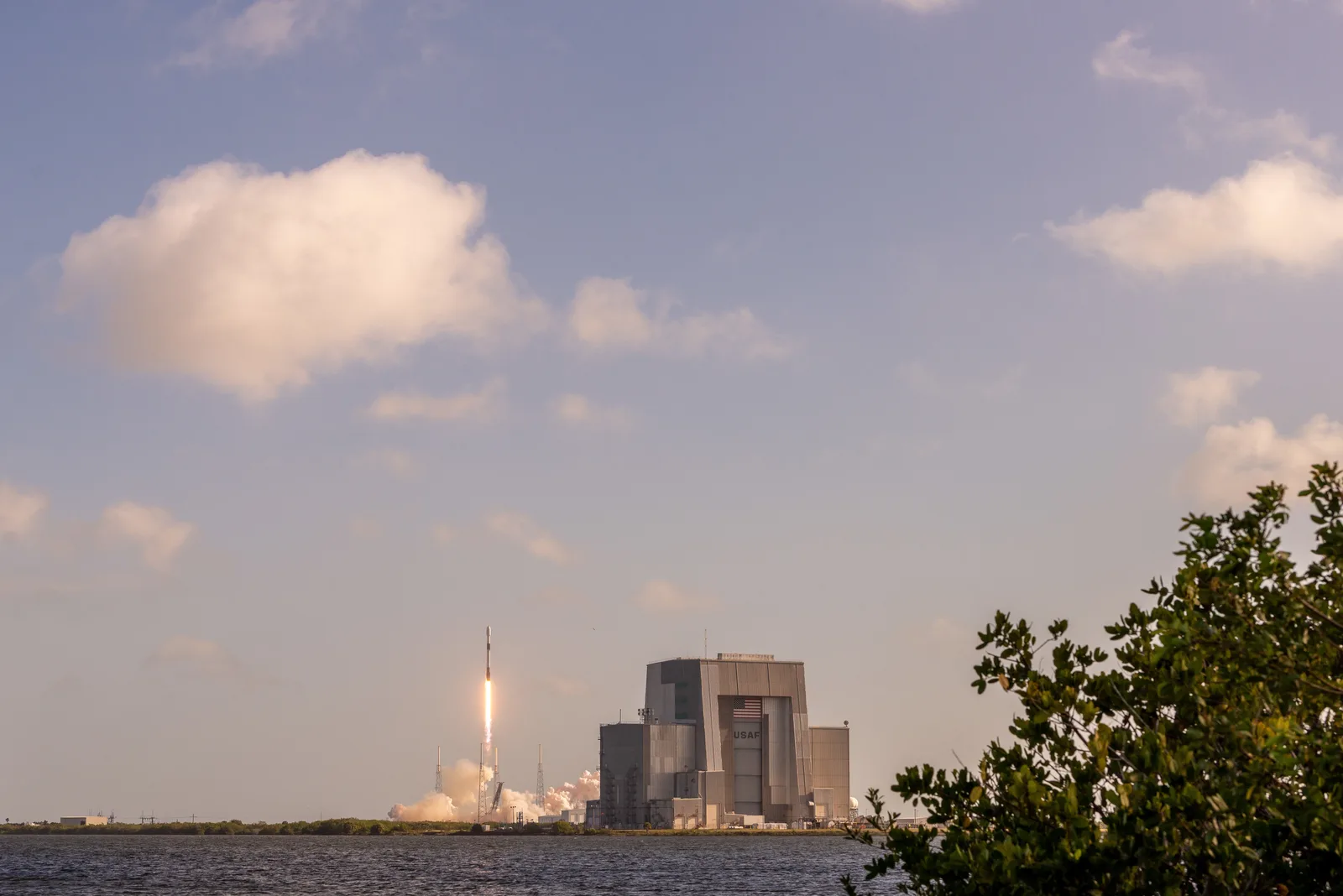 File photo
What happened
Key facts
- Russian strikes killed three people in Ukraine, according to headlines (per theuknews.com, CBC).
- Ukrainian President Volodymyr Zelenskyy said Starlink connectivity had been disrupted and raised concerns it affected military operations (per theuknews.com).
- Zelenskyy told British broadcaster Piers Morgan on 'Piers Morgan Uncensored' that he accused Elon Musk of restricting Ukrainian access to Starlink (per theuknews.com).
- Zelenskyy posted on X that Russia launched 124 drones overnight and another 145 during the day, calling the barrage 'one of the largest attacks' (per theuknews.com).
- BBC published headlines stating 600,000 were left without power and that Zelenskyy commented on Starlink restrictions (per BBC).
The brief
Russian strikes damaged Ukrainian power infrastructure and left about 600,000 people without electricity, a report compiling Ukrainian statements and media headlines says.
President Volodymyr Zelenskyy publicly linked interruptions to satellite internet services with reduced warning and hindered defence, telling Piers Morgan on the programme Piers Morgan Uncensored that he accused SpaceX chief executive Elon Musk of restricting Ukrainian access to Starlink.
Zelenskyy also posted on X that Russia had launched 124 drones overnight and a further 145 during the day, calling the assault one of the largest he had seen. In the report's account, Zelenskyy said Kyiv received no early warning from partners before a Russian ballistic missile struck a major power plant in Kyiv and damaged a residential building.
The report quotes him saying that Starlink was blocked "because it was 1 am at night, (when) Starlink was blocked by SpaceX and the United States," and that he did not know whether Musk or others had made the decision. Those comments were carried in the outlet's excerpt from its sources.
Headlines cited alongside the report state that Russian strikes killed three people and damaged dozens of power facilities; the single full article text available links the power outages and damage to strikes across the country.
The account combines the casualty and infrastructure figures with Zelenskyy's statements about communications interruptions to portray how Kyiv says strikes and connectivity problems affected its ability to respond.
The report attributes the Starlink criticism to Zelenskyy and relays his claim that the restrictions affected military operations and the country's ability to defend against the Russian barrage. It does not include a direct statement from SpaceX, U.S. officials, or independent technical confirmation of the cause or duration of the Starlink disruptions.
Taken together, the reported facts present a picture in which Russian aerial and missile attacks damaged energy assets and left hundreds of thousands without power, while Ukrainian officials say interruptions to a commercial satellite service reduced warning and hampered defence.
The report documents the Ukrainian government's public accusations and the scale of the outages, but it does not provide independent verification of the Starlink restrictions or technical evidence linking them to the strikes.
Why it matters
- Residents of Ukrainian cities experienced loss of electricity for about 600,000 people, disrupting essential services and daily life where the strikes damaged power infrastructure.
- Ukrainian military and government leaders reported that satellite connectivity interruptions affected command, control and early-warning capabilities, a mechanism they say reduced readiness during a large drone and missile barrage.
- SpaceX and the United States are named by Zelenskyy as actors involved in the alleged Starlink restrictions, making their public responses and technical disclosures directly relevant to Ukraine's defensive capacity.
What to watch next
- Whether SpaceX or U.S. officials publicly confirm, deny, or clarify the cause, timing and duration of the Starlink connectivity restrictions mentioned by Zelenskyy (as reported).
- Whether Ukrainian authorities publish technical or operational evidence tying the reported Starlink disruptions to specific failures in early warning or command systems.
- Whether Ukrainian energy authorities or international monitors release detailed damage assessments for the power plants and the figure of 600,000 people left without electricity.
How it's being covered
Coverage analysisShow details7 source articles · 7 unique outletsCoverage mix: Center Only· 6 CenterWhere the outlets are based: Europe 43% · US/Canada 29% · Other 28%
- Coverage is currently concentrated among Center-rated outlets (6 of 6 rated sources); comparatively few Left or Right-rated outlets have published on the event.
How outlets' accounts compare
How we got here
On Feb. 28, 2022, SpaceX activated Starlink satellite internet terminals for use in Ukraine after Russia’s full-scale invasion began on Feb. 24, 2022, a deployment that Kyiv officials later described as critical for civilian and military communications.
In October–December 2022, Russian forces conducted a sustained campaign of missile and drone strikes on Ukrainian energy infrastructure that Western governments and Ukrainian officials said caused nationwide power outages and repeated damage to thermal and electrical facilities.
Original sources
7 articles from 7 outletsEvery story links to the reporting it was built from. How we choose sources
Spotted a factual error, a broken link or a misleading summary? Tell us.