
Putin pitches Russia as Africa’s partner and accuses West of exploitation
Vladimir Putin told African leaders at the Russia-Africa Summit that Russia was their best partner and accused Western countries of exploiting Africa and using debt to constrain its development. He also offered Russian expertise, grain and fertiliser supplies, and local production, while saying Moscow could supply more than the 40 African countries already receiving grain and fertiliser.
AI-assisted synthesis · Based on 5 independent reports from 6 outlets · Article text read from 1 of 5 reportsHow it's made
View timeline · 8 entries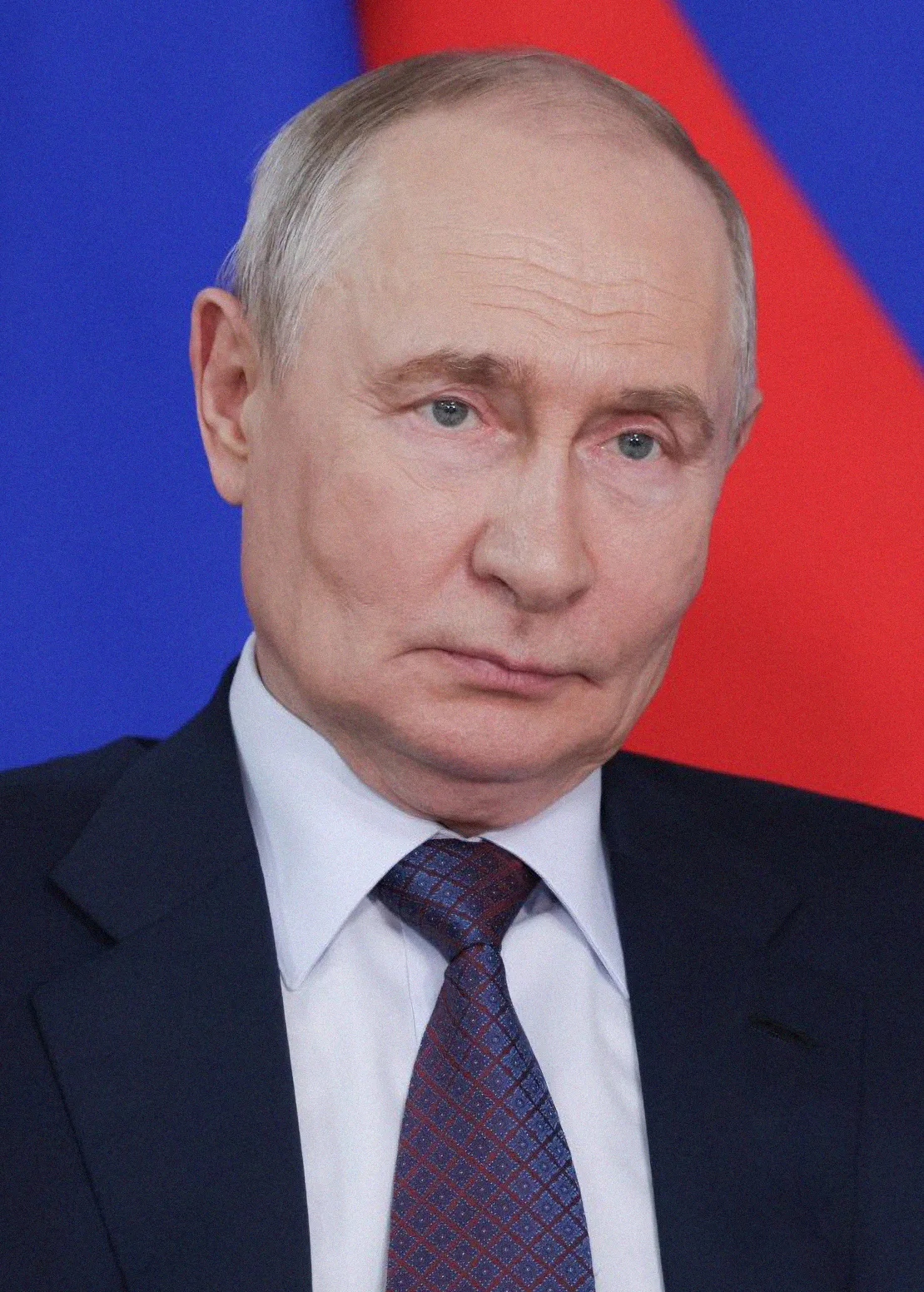 File photo
What happened
The brief
Vladimir Putin told African leaders that Russia was their best partner and accused Western countries of continuing colonial-style exploitation of Africa’s resources.
In the account published by kiprinform.com, he said Western governments used debt to impede the continent’s development and offered Russian expertise, grain, fertiliser and local production as part of Moscow’s proposed relationship with African countries.
Putin also described what he called active Western efforts to push African countries into “debt bondage” and make them accept financing on terms he characterized as predatory. He did not name the countries he accused. Those allegations are Putin’s claims; the article does not provide responses from the governments he criticized.
The summit drew government delegations and leaders from 48 African countries, including 22 heads of state, according to kiprinform.com. The article says the first Russia-Africa Summit was held in 2019. It places Putin’s remarks at the current summit but does not give a calendar date for them.
On supplies, Putin said Moscow was ready to provide grain and fertiliser to more than the 40 African countries that already receive them. The account also describes Russian expertise and local production among the offers he put forward. It gives no additional quantities, agreements or country-by-country commitments for those proposals.
The article says Western critics accuse Putin of invoking Africa’s colonial history for Moscow’s benefit. It describes their view as linking his rhetoric to efforts to expand Russian geopolitical influence and displace former colonial powers, including France. That is the critics’ interpretation, distinct from Putin’s own presentation of Russia as Africa’s best partner.
The summit’s stated agenda, as reflected in the account, therefore includes competing characterizations of outside involvement: Putin’s accusations about Western resource extraction and debt, and critics’ charge that Moscow seeks greater influence.
The account documents his proposals and the attendance figures, but does not identify specific financing arrangements or supply agreements concluded at the summit.
Why it matters
- African countries are the population directly named in Putin’s claims about resource exploitation, debt and financing; the specific mechanisms he cited were debt pressure and terms he called predatory.
- Putin presented grain and fertiliser supply as a Russian offer to African countries, saying Moscow already supplied more than 40 countries and was ready to supply more.
- The article says Western critics see Moscow’s pursuit of geopolitical influence and the displacement of former colonial powers, including France, as interests behind Putin’s approach.
What to watch next
- Whether Moscow supplies grain and fertiliser to additional African countries beyond the more than 40 Putin said already receive them.
- Whether Russian expertise or local production proposals result in specific arrangements with African countries.
- Whether the Western governments Putin criticized respond to his claims about debt and financing.
How it's being covered
Coverage analysisShow details6 source articles · 6 unique outlets · 5 distinct reportsOutlet political mix: Center Only· 4 Center · 2 unratedWhere the outlets are based: Asia 50% · Middle East 17% · Other 33%
- Coverage is currently concentrated among Center-rated outlets (4 of 4 rated sources); comparatively few Left or Right-rated outlets have published on the event.
One source is from a wire service (AP, Reuters, AFP or Bloomberg), whose reporting other outlets often republish.
How outlets' accounts compare
Timeline
Developments from this story's sources, dated background we compiled and fact-checked, and our earlier coverage. Each row says which.- Ghana became independent from Britain.Background · compiled and fact-checked by Updat3
- Algeria gained independence from France.Background · compiled and fact-checked by Updat3
- The Soviet Union dissolved, ending many of its aid and security relationships in Africa.Background · compiled and fact-checked by Updat3
- Under President Vladimir Putin, Russia resumed more active diplomatic and commercial engagement; the first Russia–Africa Summit in 2019 formalized that renewed outreach.Background · from our historical context
- Russia launched its full-scale invasion of Ukraine.Background · compiled and fact-checked by Updat3
- The United Nations General Assembly adopted a resolution deploring Russia’s aggression against Ukraine; 141 countries voted in favour and 35 abstained.Background · compiled and fact-checked by Updat3
- Russia, Ukraine, Türkiye and the United Nations signed the Black Sea Grain Initiative.Background · compiled and fact-checked by Updat3
- Russia announced its withdrawal from the initiative on July 17, 2023.Background · from our historical context
How we got here
The immediate institutional precedent was the first Russia–Africa Summit, held in Sochi on October 23–24, 2019, which brought Russian officials together with African leaders and produced a joint declaration setting out areas for cooperation.
Russia’s 2023 summit in St Petersburg followed that meeting after the Russian invasion of Ukraine began on February 24, 2022, and as the Black Sea Grain Initiative—brokered by the United Nations and Türkiye on July 22, 2022—was in force. Russia announced its withdrawal from the initiative on July 17, 2023.
Original sources
1 of 6 articles · Global · Show allEvery story links to the reporting it was built from. How we choose sources
Spotted a factual error, a broken link or a misleading summary? Tell us.