
Zelenskyy says Russia is targeting Ukraine’s energy system
Ukrainian President Volodymyr Zelenskyy said Russia targeted more than 15 power-generation and transmission facilities across Ukraine. He said Russia was expanding its campaign against the energy system and trying to strain Ukraine’s reserves and repair capacity as winter approaches.
AI-assisted synthesis · Based on 5 outlets' reporting · Article text read from 1 of 5 outletsHow it's made
View timeline · 9 entries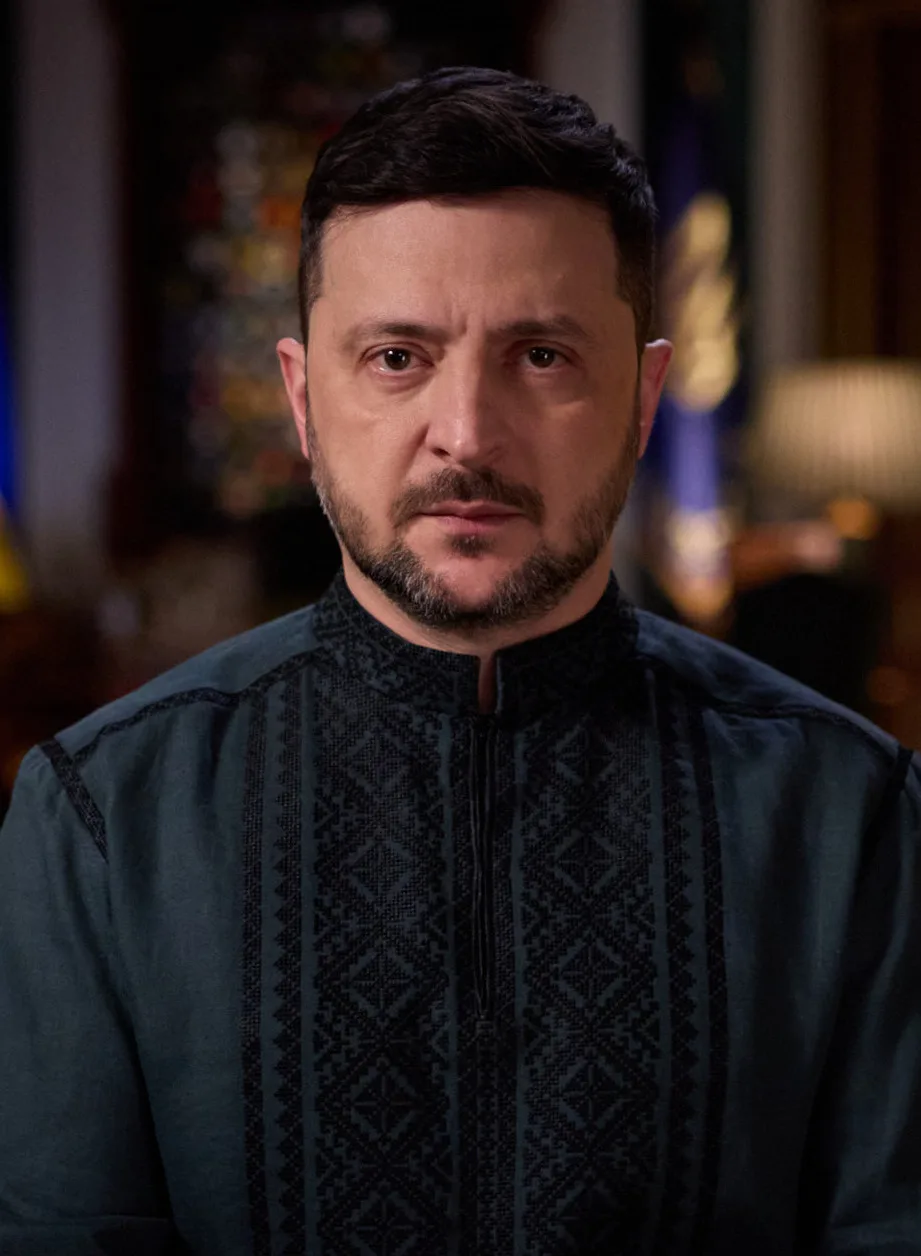 File photo
What happened
Key facts
- Ukrainian President Volodymyr Zelenskyy said Russia was stepping up attacks on Ukraine’s energy infrastructure as winter approached (per DW, abc7news.com).
- Zelenskyy said more than 15 critical power-generation and transmission facilities in different regions of Ukraine had been targeted (per DW).
- Zelenskyy said Russia had expanded its campaign against Ukraine’s energy system (per DW, Al Jazeera, NBC News).
- Zelenskyy said Russia was trying to strain Ukraine’s reserves and repair capacity (per DW, Al Jazeera, NBC News).
- Zelenskyy said the attacks aimed to cut electricity and heating in Ukraine (per DW).
- Al Jazeera’s headline says Zelenskyy called for Russia’s war on Ukraine to be brought to an end (per Al Jazeera, DW).
The brief
Ukrainian President Volodymyr Zelenskyy said Russia targeted more than 15 critical power-generation and transmission facilities across different regions of Ukraine, as attacks on the country’s energy infrastructure increased ahead of winter. The reported target count and Zelenskyy’s account of Russia’s campaign appeared in DW’s report.
Al Jazeera’s headline separately framed Zelenskyy’s remarks as a call for Russia’s war on Ukraine to be brought to an end. Zelenskyy said Russia was seeking to cut electricity and heating for civilians. He described the attacks as an expanded campaign against Ukraine’s energy system and said Russia was trying to stretch Ukraine’s reserves and repair capacity.
These statements describe Zelenskyy’s assessment; DW’s report did not independently confirm the purpose he attributed to Russia or provide a separate account from the Russian government. The timing in Zelenskyy’s remarks was tied to the approaching winter. He said the attacks could strain the resources and repair capacity Ukraine relies on to maintain its energy system.
DW reported no further figures on the facilities’ damage, outages, or the number of civilians affected, so the scale of any disruption cannot be specified from the reported account. Zelenskyy also criticized what he described as sanctions relief and financial rewards for Russian President Vladimir Putin, saying those developments encouraged Russia to keep attacking.
His comments connected the energy campaign to sanctions policy, but DW’s report did not establish that sanctions changes caused the attacks or provide details about the policy measure he referenced. Kirill Dmitriev, identified in DW’s report as speaking on social media, welcomed the Trump administration’s suspension of the Lindsey Graham Act.
Dmitriev called the suspension important and historic. He said the proposed act would have caused serious damage to the U.S. economy and global markets; that assessment was his claim, not an independently established consequence in the report.
The account therefore contains two distinct positions: Zelenskyy argued that attacks on energy infrastructure and sanctions relief encourage further Russian attacks, while Dmitriev argued that the suspended legislation would have harmed the U.S. economy and global markets.
The report gives no additional Russian government response to Zelenskyy’s account, and it does not describe a subsequent policy decision or operational development. Its central documented detail is Zelenskyy’s report that more than 15 energy facilities had been targeted as winter approached.
Why it matters
- Ukraine’s civilians face the specific risk Zelenskyy described: reduced access to electricity and heating as winter approaches.
- Ukraine’s energy system and repair capacity are at stake; Zelenskyy said more than 15 power-generation and transmission facilities had been targeted.
- The sanctions debate has competing stated interests: Zelenskyy said sanctions relief encourages continued Russian attacks, while Kirill Dmitriev said the Lindsey Graham Act would harm the U.S. economy and global markets.
What to watch next
- Whether Russia continues attacks on Ukraine’s power-generation and transmission facilities, which Zelenskyy said were being targeted.
- Whether Ukraine’s energy reserves and repair capacity are strained, as Zelenskyy said Russia was seeking to do.
- Whether the Trump administration’s suspension of the Lindsey Graham Act remains in place; Kirill Dmitriev described the suspension as important and historic.
How it's being covered
Coverage analysisShow details6 source articles · 5 unique outletsOutlet political mix: Mostly Center· 1 Left · 3 Center · 1 unratedWhere the outlets are based: US/Canada 60% · Europe 20% · Other 20%
- Coverage is currently concentrated among Center-rated outlets (3 of 4 rated sources); comparatively few Right-rated outlets have published on the event.
How outlets' accounts compare
Timeline
Developments from this story's sources, dated background we compiled and fact-checked, and our earlier coverage. Each row says which.- During 1990 discussions on German reunification, Western officials made statements about NATO’s future scope; the extent and meaning of those assurances remain disputed.Background · from our historical context
- At its April 2008 Bucharest Summit, NATO declared that Ukraine and Georgia “will become members,” without setting an accession date.Background · from our historical context
- The invasion followed the conflict that began in 2014.Background · from our historical context
- Russia annexed Crimea, which Ukraine and most other countries continued to recognize as Ukrainian territory.Background · compiled and fact-checked by Updat3
- Ukraine’s energy system became a recurring target after Russia’s full-scale invasion began on February 24, 2022.Background · from our historical context
- Russia launched a major wave of missile and drone strikes against Ukrainian cities and energy infrastructure.Background · compiled and fact-checked by Updat3
- In 2023, attacks on energy facilities continued, while Ukraine’s grid operators worked to restore equipment and maintain supply.Background · from our historical context
- Russian missile and drone strikes hit Ukrainian energy facilities, including power plants and transmission infrastructure.Background · compiled and fact-checked by Updat3
- President Donald Trump announced an immediate energy ceasefire between Russia and Ukraine.Background · compiled and fact-checked by Updat3
How we got here
Ukraine’s energy system became a recurring target after Russia’s full-scale invasion began on February 24, 2022. On October 10, 2022, Russia launched a major wave of missile and drone strikes against Ukrainian cities and energy infrastructure; further attacks that autumn and winter damaged power plants and transmission facilities, prompting outages and emergency repairs.
In 2023, attacks on energy facilities continued, while Ukraine’s grid operators worked to restore equipment and maintain supply. The invasion followed the conflict that began in 2014.
Original sources
6 articles from 5 outletsEvery story links to the reporting it was built from. How we choose sources
Spotted a factual error, a broken link or a misleading summary? Tell us.