
Saudi-led coalition says it destroyed Houthi missile aimed at Riyadh
The Saudi-led coalition said it intercepted and destroyed a ballistic missile launched by Yemen’s Houthi group toward Riyadh. Saudi Civil Defense said a city alert had been issued over a potential danger and later announced that the danger had passed.
AI-assisted synthesis · Based on 5 outlets' reporting · Article text read from 1 of 5 outletsHow it's made
View timeline · 10 entries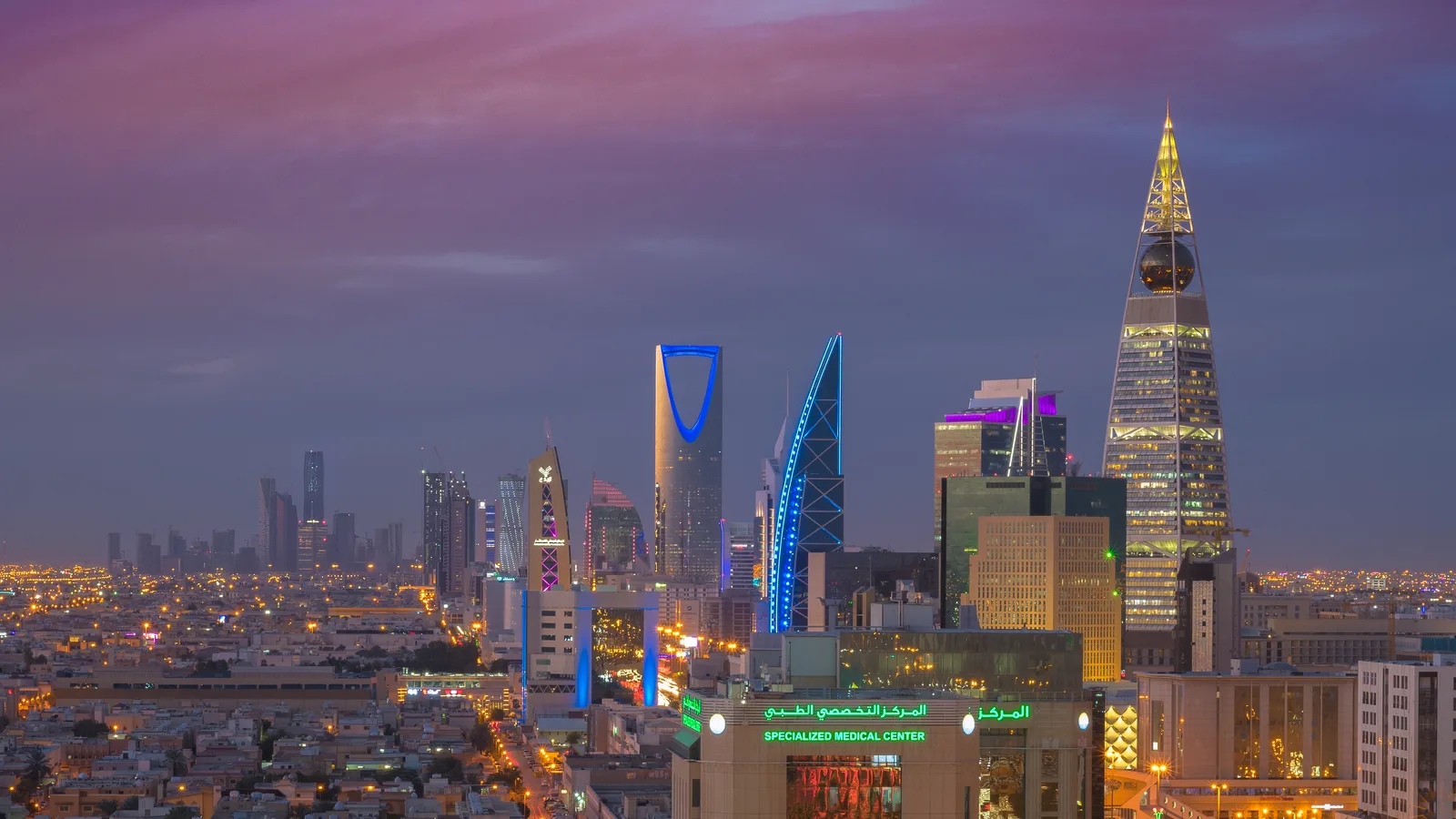 File photo
What happened
Key facts
- The Saudi-led coalition said it intercepted and destroyed a ballistic missile launched by Yemen’s Houthi group toward Riyadh.
- Coalition spokesman Turki al-Maliki said the missile was shot down.
- Saudi Civil Defense said the danger had passed and urged residents to follow safety instructions and avoid gathering or filming.
- The Saudi-led coalition has supported Yemen’s internationally recognized government since March 2015, while the Houthi group has controlled Sanaa and several provinces since September 2014.
The brief
The Saudi-led coalition said it intercepted and destroyed a ballistic missile launched by Yemen’s Houthi group toward Riyadh. Coalition spokesman Turki al-Maliki attributed the launch to the Houthis and said the missile was shot down.
The account was reported by Anadolu Agency; the headline of UA.NEWS also describes a coalition-reported interception of a ballistic missile aimed at the Saudi capital. Explosions were heard in Riyadh after a security warning, according to Anadolu Agency.
Saudi Civil Defense had announced on X that the National Early Warning Platform issued an alert in the city about a potential danger. The report does not attribute the explosions to a specific cause beyond placing them after the warning. Saudi Civil Defense later announced that the danger had passed.
It urged residents to continue following safety instructions and to avoid gathering or filming. Those public instructions followed the alert and reports of explosions; the account does not provide a count of injuries or damage.
The accounts named the incident as a missile interception, while Yemen Online’s headline describes a broader set of interceptions: two missiles and a drone in Riyadh and Khamis Mushait. That headline does not identify who launched the objects or give further circumstances.
Anadolu Agency’s account specifically describes one ballistic missile aimed at Riyadh and attributes the launch to the Houthis through coalition spokesman al-Maliki. The report places the incident against the background of Saudi Arabia’s military coalition supporting Yemen’s internationally recognized government against the Houthis.
It says Saudi Arabia has led that coalition since March 2015, and that the Houthis have controlled Sanaa and several provinces since September 2014. These details describe the wider conflict but do not establish why the missile was launched. For Riyadh residents, the immediate sequence described was an alert, explosions and a subsequent announcement that the danger had passed.
The coalition’s account identifies the intercepted object as a ballistic missile and names the Houthis as its launcher; Saudi Civil Defense’s statements concern the warning and public safety instructions. The report gives no further operational details about the interception.
Why it matters
- Riyadh residents faced a potential danger serious enough for Saudi Civil Defense to issue an alert and advise people to follow safety instructions.
- The coalition’s statement identifies a ballistic missile aimed at Saudi Arabia’s capital, while the report supplies no casualty or damage count.
- Saudi Civil Defense said the danger had passed, marking the reported end of the immediate alert.
What to watch next
- Whether Saudi Civil Defense issues further safety instructions for Riyadh residents.
- Whether the Saudi-led coalition provides further details about the missile interception.
- Whether Saudi Civil Defense reports any casualties or damage connected to the incident.
How it's being covered
Coverage analysisShow details5 source articles · 5 unique outletsOutlet political mix: Mostly Center· 1 Left · 2 Center · 2 unratedWhere the outlets are based: Middle East 40% · Unknown 40% · Other 20%
How outlets' accounts compare
Timeline
Developments from this story's sources, dated background we compiled and fact-checked, and our earlier coverage. Each row says which.- The conflict’s political roots included Yemen’s 2011 uprising against President Ali Abdullah Saleh and the ensuing transition under a Gulf Cooperation Council initiative signed on November 23, 2011.Background · from our historical context
- Those exchanges took place amid a wider conflict in Yemen that had begun in 2014.Background · from our historical context
- In September 2014, the Houthi movement, also known as Ansar Allah, took control of Yemen’s capital, Sanaa, after months of political unrest and fighting with government forces.Background · from our historical context
- In January 2015, the Houthis placed President Abdrabbuh Mansur Hadi under house arrest; Hadi later left Yemen and requested outside support.Background · from our historical context
- On March 26, 2015, a Saudi-led coalition began airstrikes against the Houthis.Background · from our historical context
- The United Nations Security Council’s Resolution 2216, adopted on April 14, 2015, demanded that the Houthis withdraw from areas they had seized and imposed an arms embargo on designated individuals.Background · from our historical context
- A major precedent for Houthi missile fire toward Riyadh came on November 4, 2017, when Saudi Arabia said its air defenses intercepted a ballistic missile near King Khalid International Airport.Background · from our historical context
- On March 25, 2018, Saudi Arabia said it intercepted seven missiles fired toward several Saudi cities, including Riyadh; the Houthis claimed responsibility.Background · from our historical context
- A United Nations-brokered truce in Yemen took effect.Background · compiled and fact-checked by Updat3
- Saudi-backed Yemeni government forces struck Sanaa Airport, and the Houthis launched missile attacks, declared a maritime blockade and seized territory along the Red Sea coast.Background · compiled and fact-checked by Updat3
How we got here
A major precedent for Houthi missile fire toward Riyadh came on November 4, 2017, when Saudi Arabia said its air defenses intercepted a ballistic missile near King Khalid International Airport. Houthi officials said they had targeted the airport, and Saudi officials described the launch as an act of war.
On March 25, 2018, Saudi Arabia said it intercepted seven missiles fired toward several Saudi cities, including Riyadh; the Houthis claimed responsibility. Those exchanges took place amid a wider conflict in Yemen that had begun in 2014.
Original sources
1 of 5 articles · Europe · Show allEvery story links to the reporting it was built from. How we choose sources
Spotted a factual error, a broken link or a misleading summary? Tell us.