
Four governments agree to continue security talks in Tehran
Türkiye, Saudi Arabia, Pakistan and Iran agreed to continue talks on cooperation over regional issues after a meeting in Tehran. A joint statement said the discussions addressed regional security, Israel’s activities and developments in Palestine and Lebanon.
AI-assisted synthesis · Based on 4 independent reports from 5 outlets · Article text read from 1 of 4 reportsHow it's made
View timeline · 8 entries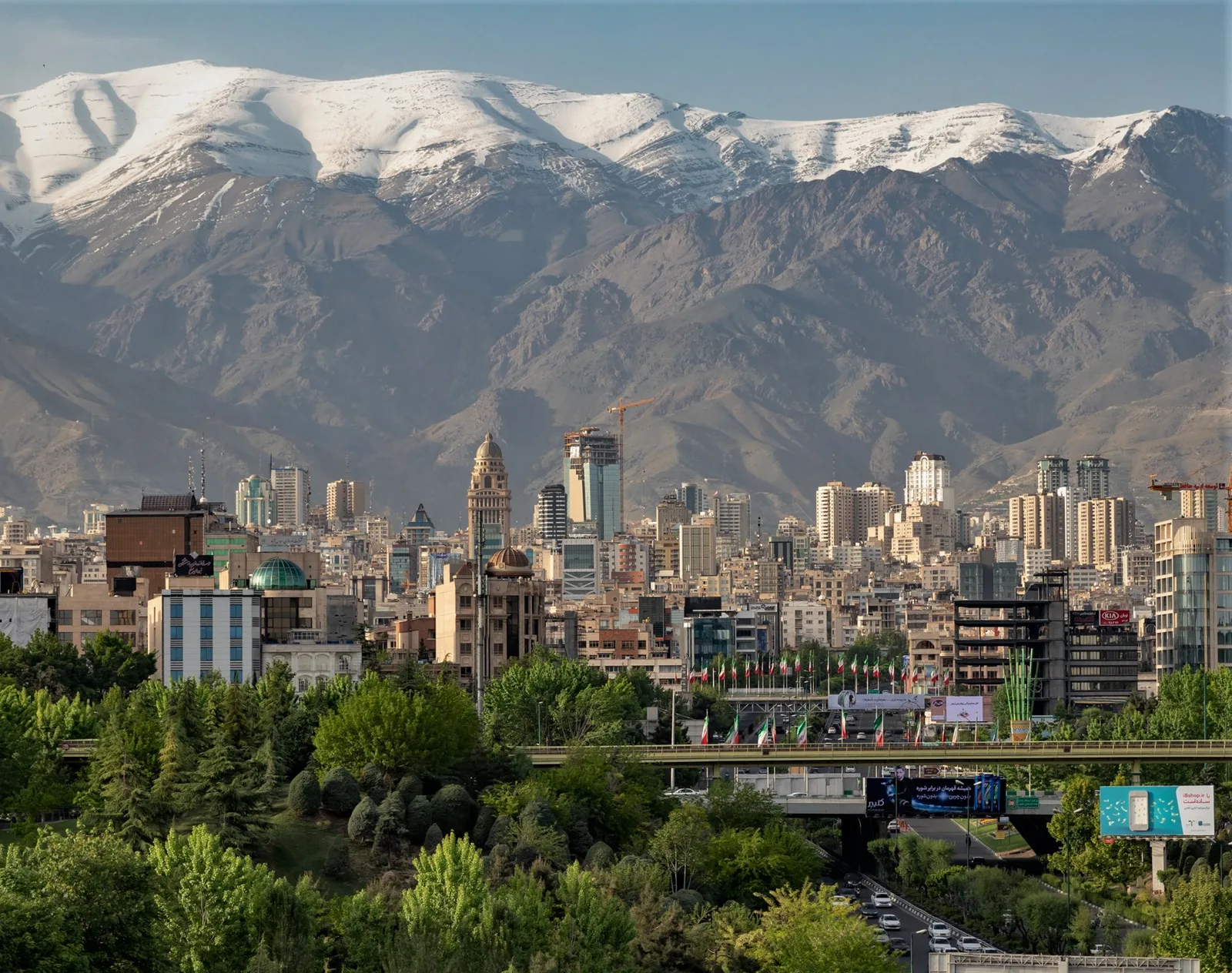 File photo
What happened
Key facts
- Türkiye, Saudi Arabia, Pakistan and Iran agreed to continue talks aimed at strengthening cooperation on regional issues (per trtworld.com).
- The joint statement said the talks concerned peace and security (per trtworld.com).
- The National, The Times of India, Al-Monitor and Reuters each reported in their headlines on talks involving Iran and countries associated with a Saudi or Mecca defence pact.
The brief
Türkiye, Saudi Arabia, Pakistan and Iran agreed to continue talks on cooperation over regional issues after a meeting in Tehran, according to a joint statement reported by TRT World. The statement described the talks as aimed at strengthening cooperation and addressing peace and security. It did not set out a date or format for the next round of discussions.
The meeting’s agenda included regional security, Israel’s activities across the region, and recent developments in Palestine and Lebanon. TRT World reported that the discussions covered those subjects, but did not attribute a separate position on them to any of the four governments. The joint statement linked the talks to cooperation on regional issues.
Iranian President Pezeshkian said Iran was ready to deepen regional cooperation, resolve differences and draw on the shared capabilities of Islamic countries. His statement presented Iran’s position on cooperation; the account did not report corresponding remarks from representatives of Türkiye, Saudi Arabia or Pakistan.
The National’s headline characterized the discussions as an effort to defuse tensions. The Times of India and Al-Monitor headlines described the participants as countries associated with a Saudi defence pact, while Reuters’ headline referred to officials from “Mecca pact countries” meeting Iranian officials in Tehran.
Those headlines offer different shorthand for the participants, while TRT World’s account names Türkiye, Saudi Arabia, Pakistan and Iran as the four countries. Al-Monitor’s headline also referred to further Houthi attacks, but did not specify their details in the headline.
Reuters’ headline said officials from the pact countries were to meet Iranian officials in Tehran on Monday; TRT World’s account describes a meeting and an agreement to continue talks. The joint statement, as summarized by TRT World, does not provide additional details about the next meeting.
The immediate stated outcome is an agreement to keep talking, with the subjects identified as regional cooperation, security, Israel’s activities, and developments in Palestine and Lebanon. The account does not describe any agreement on specific measures or decisions beyond continuing the talks.
Why it matters
- The four named governments have agreed to continue a channel focused on regional cooperation and security.
- The agenda explicitly includes Israel’s activities and developments in Palestine and Lebanon, linking the talks to issues affecting people in those places without providing casualty or other impact figures.
- Iran’s stated interest is to deepen cooperation and resolve differences; Pezeshkian also referred to shared capabilities among Islamic countries.
What to watch next
- Whether Türkiye, Saudi Arabia, Pakistan and Iran continue the talks, as they agreed to do.
- Whether the next discussions address regional security, Israel’s activities, or developments in Palestine and Lebanon.
- Whether representatives of Türkiye, Saudi Arabia and Pakistan state positions on the cooperation agenda.
How it's being covered
Coverage analysisShow details5 source articles · 5 unique outlets · 4 distinct reportsOutlet political mix: Center Only· 4 Center · 1 unratedWhere the outlets are based: Middle East 40% · Asia 20% · Other 40%
- Coverage is currently concentrated among Center-rated outlets (4 of 4 rated sources); comparatively few Left or Right-rated outlets have published on the event.
One source is from a wire service (AP, Reuters, AFP or Bloomberg), whose reporting other outlets often republish.
How outlets' accounts compare
Timeline
Developments from this story's sources, dated background we compiled and fact-checked, and our earlier coverage. Each row says which.- The Iranian Revolution overthrew the Shah and established the Islamic Republic.Background · compiled and fact-checked by Updat3
- In 1980, Iraq invaded Iran, beginning the 1980–88 Iran-Iraq War; Saudi Arabia and other Gulf states supported Iraq during the conflict, while Iran developed ties with armed groups in the region.Background · from our historical context
- Saudi Arabia and five other Gulf monarchies founded the Gulf Cooperation Council.Background · compiled and fact-checked by Updat3
- Clashes between Saudi security forces and Iranian pilgrims in Mecca killed hundreds of people.Background · compiled and fact-checked by Updat3
- The two governments had severed ties in January 2016, after Saudi Arabia executed cleric Nimr al-Nimr and protesters in Iran attacked Saudi diplomatic missions.Background · from our historical context
- On March 10, 2023, Iran and Saudi Arabia announced an agreement, brokered by China, to restore diplomatic relations and reopen their embassies.Background · from our historical context
- The United States and Israel launched coordinated strikes across Iran.Background · compiled and fact-checked by Updat3
- Saudi Arabia, Turkiye and Pakistan signed the Mecca Joint Defence Agreement.Background · compiled and fact-checked by Updat3
How we got here
On February 28, 2026, the United States and Israel began coordinated strikes on Iran, including attacks on military infrastructure; the war that began that day remained ongoing as the four governments pursued regional security discussions. The talks also followed decades of rivalry and intermittent diplomatic engagement between Iran and Saudi Arabia.
On March 10, 2023, Iran and Saudi Arabia announced an agreement, brokered by China, to restore diplomatic relations and reopen their embassies. The two governments had severed ties in January 2016, after Saudi Arabia executed cleric Nimr al-Nimr and protesters in Iran attacked Saudi diplomatic missions.
Original sources
5 articles from 5 outletsEvery story links to the reporting it was built from. How we choose sources
Spotted a factual error, a broken link or a misleading summary? Tell us.