
Schrinner seeks public input on Brisbane Metro busway expansion
Brisbane Lord Mayor Adrian Schrinner proposed a multibillion-dollar busway expansion, reviving links from a 1990s plan that was only partly built. Brisbane City Council is consulting the public on where Metro routes should go, while the state studies the Moggill Road corridor.
AI-assisted synthesis · Based on 3 independent reports from 4 outlets · Article text read from 2 of 3 reportsHow it's made
View timeline · 10 entries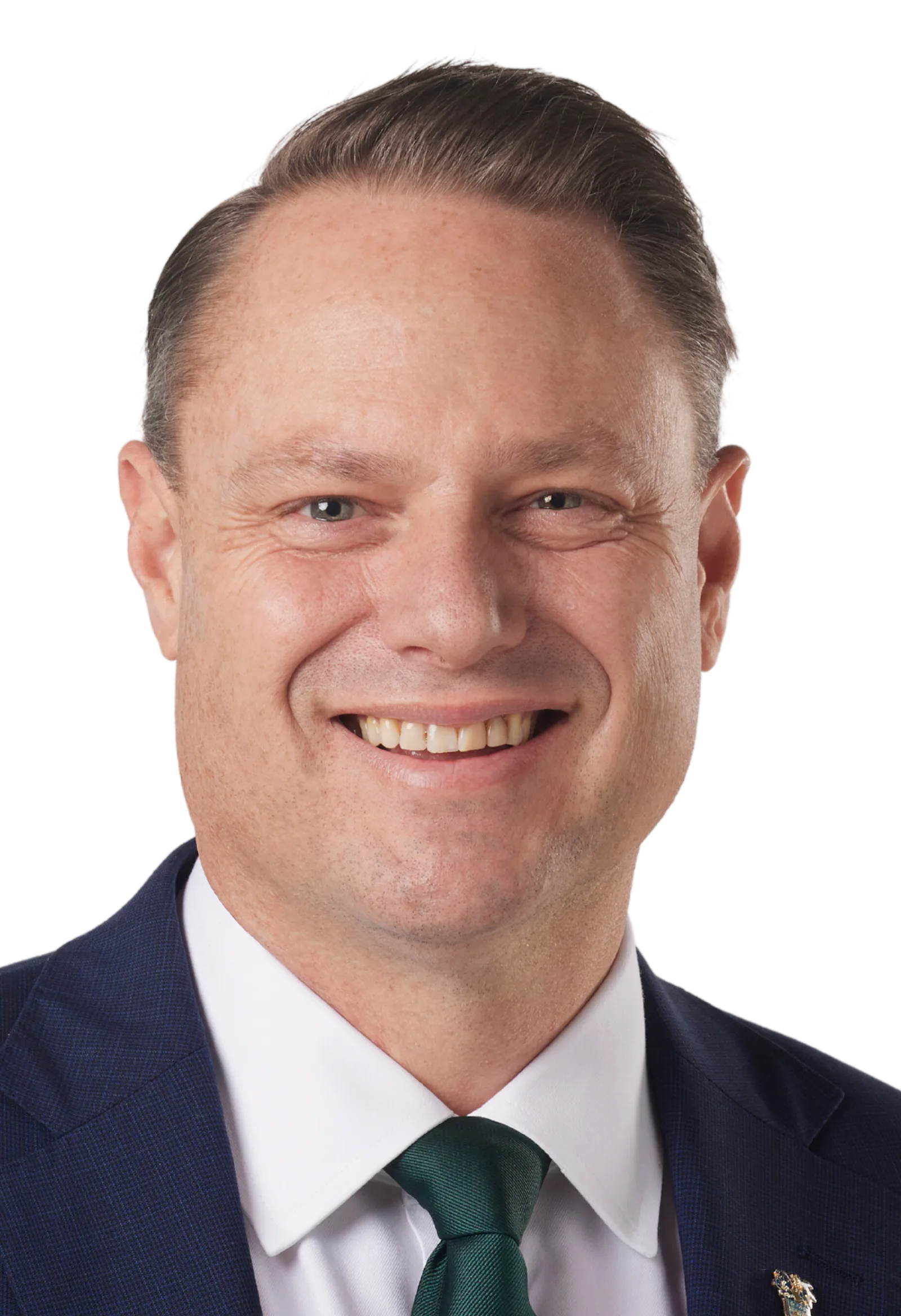 File photo
What happened
Key facts
- Adrian Schrinner proposed a multibillion-dollar expansion of Brisbane busways, including new bridges, tunnels and dedicated transit routes.
- Brisbane City Council is asking the public where future busways and transit ways should be built to expand Metro services.
- A South East Queensland Integrated Regional Transport Plan proposed 75 kilometres of busways almost 30 years ago; about one-third was built, including the South East Busway.
- The unfinished plan proposed busway links to Brisbane’s north and east.
- A 2024 Metro expansion plan proposed 22 new stops and stations, extending to Carseldine, Capalaba and Springwood; the council had also promised a route to Brisbane Airport.
- Schrinner said bus rapid transit needs to run separately from regular traffic, on a busway or at least a transit way.
- Schrinner said the expansion would focus on areas without a train line. He said the state government was conducting a transport study on the Moggill Road corridor.
- Adrian Schrinner proposed a multibillion-dollar expansion of Brisbane’s busways, including bridges, tunnels and transit ways for dedicated Metro routes.
The brief
Brisbane Lord Mayor Adrian Schrinner has asked residents to help identify where Brisbane’s busways and transit ways should expand, proposing a multibillion-dollar build-out for Metro services. The proposal includes bridges, tunnels and dedicated routes, while Brisbane City Council is seeking public input before undertaking technical studies.
Schrinner said the expansion would cost “several billion dollars” and concentrate on places without train service. He argued that bus rapid transit needs to operate separately from ordinary traffic, using either a busway or, at minimum, a transit way.
That design premise makes route choice central to the consultation: residents are being asked where the infrastructure should go, not simply whether Metro should grow. The council’s next stated step is to assess transport demand and growth after the feedback period closes on December 13.
The two reports describe that process in the same terms: public input will precede technical studies. The sources do not specify a final route, a construction budget or a delivery schedule for the newly proposed expansion. The proposal draws on a long-standing regional plan.
Almost 30 years ago, the South East Queensland Integrated Regional Transport Plan proposed 75 kilometres of busways, but about one-third was built, including the South East Busway. Its uncompleted network included links north and east of Brisbane.
This history provides context for Schrinner’s proposal to expand a system that has not reached the scale set out in the earlier plan. A 2024 Metro expansion proposal had already outlined 22 new stops and stations, extending to Carseldine in the north, Capalaba in the east and Springwood in the south. The council had also promised a Metro route to Brisbane Airport.
Those earlier proposals offer named destinations against which residents can consider future connections, but the current consultation does not establish that those locations will be included in the new expansion.
The reports present the initiative as a council-led public consultation and describe Schrinner’s rationale as serving areas without rail and separating rapid buses from regular traffic. They do not report a competing account from the state government or a response to the council’s proposal.
The immediate decision point is therefore the council’s assessment of public feedback and its subsequent technical work, rather than an approved construction plan.
Why it matters
- Residents in Brisbane areas without train service are the stated focus of the proposed expansion; separated busways or transit ways are the mechanism Schrinner says is needed for bus rapid transit.
- The proposed investment is described as costing several billion dollars, making route selection and the council’s technical assessment of demand and growth consequential for the scale and placement of infrastructure.
- The earlier regional plan proposed 75 kilometres of busways, but only about one-third was built; the current proposal would revisit links to Brisbane’s north and east.
- The earlier Metro proposal named 22 stops and stations reaching Carseldine, Capalaba and Springwood, while the council had separately promised a route to Brisbane Airport.
What to watch next
- Whether Brisbane City Council receives public feedback by the December 13 closing date.
- Which corridors residents identify for busways and transit ways in the consultation.
- What transport-demand and growth findings the council’s planned technical studies produce.
- Whether the council’s eventual route planning includes any of the previously proposed destinations: Carseldine, Capalaba, Springwood or Brisbane Airport.
How it's being covered
Coverage analysisShow details4 source articles · 4 unique outlets · 3 distinct reportsOutlet political mix: Too few rated· 2 Center · 2 unratedWhere the outlets are based: Asia 100%
- Coverage is currently concentrated among outlets based in Asia (4 of 4 geographically-identified sources).
How outlets' accounts compare
2 uncorroborated claims · 1 information gap- Schrinner said the expansion would cost “several billion dollars.”
- Schrinner said bus rapid transit requires separation from regular traffic through a busway or at least a transit way.
- The sources do not state how many residents may use the proposed routes, which communities would be affected by construction, or what the project would cost beyond Schrinner’s “several billion dollars” estimate.
Timeline
Developments from this story's sources, dated background we compiled and fact-checked, and our earlier coverage. Each row says which.- The broader busway network was laid out in the South East Queensland Integrated Regional Transport Plan, released in 1997.Background · from our historical context
- Brisbane's South East Busway began opening.Background · compiled and fact-checked by Updat3
- The South East Busway, one of the plan’s major components, opened in 2001.Background · from our historical context
- Brisbane City Council has developed the Metro project and its infrastructure, while Queensland’s public transport network operates within state-level transport institutions, including TransLink, established in 2003.Background · from our historical context
- The first section of Brisbane's Inner Northern Busway opened.Background · compiled and fact-checked by Updat3
- The first section of Brisbane's Eastern Busway opened.Background · compiled and fact-checked by Updat3
- Brisbane City Council introduced the Brisbane Metro project as a high-capacity public transport system using busway infrastructure.Background · compiled and fact-checked by Updat3
- Construction began on Brisbane Metro.Background · compiled and fact-checked by Updat3
- In 2024, a Brisbane Metro expansion proposal set out 22 additional stops and stations, with routes extending to Carseldine, Capalaba and Springwood.Background · from our historical context
- Brisbane Metro services began operating.Background · compiled and fact-checked by Updat3
How we got here
In 2024, a Brisbane Metro expansion proposal set out 22 additional stops and stations, with routes extending to Carseldine, Capalaba and Springwood. Brisbane City Council had also promised a Metro route to Brisbane Airport.
These plans followed the development of the original Metro project: Brisbane City Council approved the project in 2016 as a high-capacity bus rapid transit system intended to use dedicated infrastructure, rather than operate solely in ordinary traffic. The broader busway network was laid out in the South East Queensland Integrated Regional Transport Plan, released in 1997.
Original sources
4 articles from 4 outletsEvery story links to the reporting it was built from. How we choose sources
Spotted a factual error, a broken link or a misleading summary? Tell us.