
Senate is unlikely to advance permanent daylight saving time bill this year
The House passed a bill to make daylight saving time permanent, but several senators are holding up the legislation and the Senate is unlikely to act before year-end. Clocks are set to turn back an hour early Sunday as daylight saving time ends.
AI-assisted synthesis · Based on 3 independent reports from 5 outlets · Article text read from 1 of 3 reportsHow it's made
View timeline · 5 entries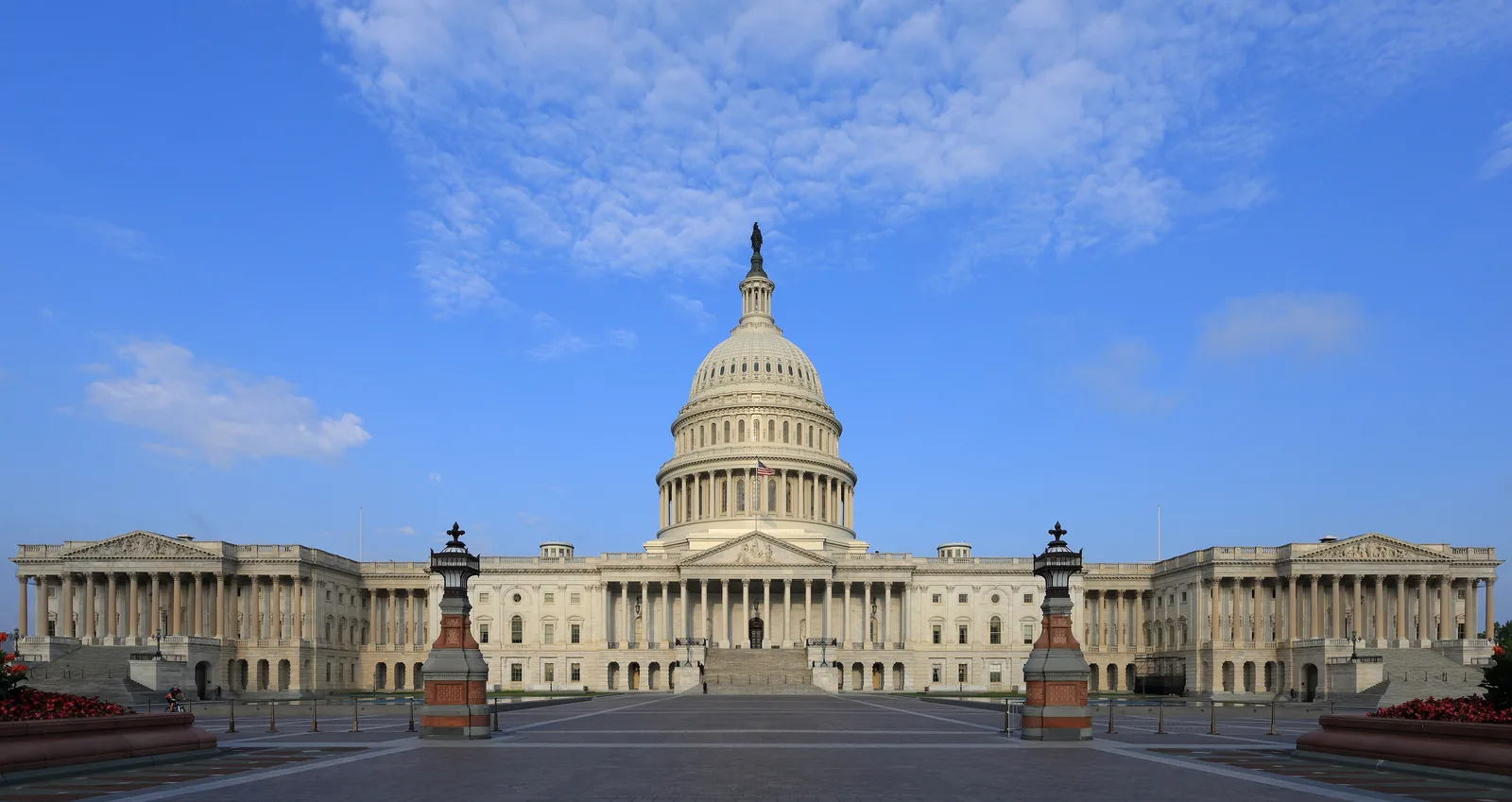 File photo
What happened
Key facts
- The House passed a bill that would make daylight saving time permanent (per niagara-gazette.com).
- The Senate is unlikely to advance a bill making daylight saving time permanent (per niagara-gazette.com, tricityrecordnm.com, abcnews.com).
- President Donald Trump is pressuring the Senate to make daylight saving time permanent (per niagara-gazette.com, tricityrecordnm.com, abcnews.com).
- The Senate is unlikely to act on the bill before the end of the year (per niagara-gazette.com).
- Supporters say permanent daylight saving time would provide more afternoon daylight, when Americans are most active (per niagara-gazette.com).
- Opponents say commuters in some states would not see the sun until after 9 a.m. under permanent daylight saving time (per niagara-gazette.com).
The brief
The Senate is unlikely to act before year-end on legislation that would make daylight saving time permanent, even as President Donald Trump presses senators to advance it. The House has passed the bill, but several senators are holding it up, according to the Niagara Gazette. The timing coincides with the end of daylight saving time.
The change takes effect early Sunday, when much of the country is set to turn clocks back one hour. The Gazette describes the measure as an effort to end the longstanding practice of changing clocks twice a year. The bill’s supporters argue that keeping daylight saving time in place year-round would leave more daylight in the afternoon, when Americans are most active.
The account does not identify those supporters or provide details about their arguments beyond that stated benefit. Opponents raise a different practical concern: commuters in some states would not see the sun until after 9 a.m. if the change became permanent. The Gazette does not name the states or specify how many commuters could be affected.
The competing arguments therefore center, in the account, on the distribution of daylight between afternoon and morning hours. The Senate’s delay leaves the House-passed proposal without expected action before the end of the year. The Gazette characterizes that inaction as defying Trump and frustrating Americans who dislike changing their clocks twice annually.
The legislation’s immediate status is clear: it has cleared the House, while several senators are impeding its progress in the Senate. The debate also reflects the basic choice posed by the bill: whether to end seasonal clock changes by keeping daylight saving time permanent, despite the concern opponents raise about darker early mornings in some states.
The account gives no names for the senators holding up the measure and does not specify what action, if any, they might take next. For now, the upcoming clock adjustment remains scheduled, while the Senate is not expected to act on the proposal before year-end.
Why it matters
- The bill would change the daily distribution of daylight: supporters point to more afternoon light, while opponents say some-state commuters would face sunrise after 9 a.m.
- The House has passed the proposal, but several senators are holding it up, leaving the Senate unlikely to act before year-end.
- The immediate practical change is the scheduled one-hour clock adjustment early Sunday as daylight saving time ends.
What to watch next
- Whether the Senate takes up the House-passed bill before the end of the year.
- Whether the senators holding up the legislation allow it to advance.
- Whether the scheduled clock change proceeds early Sunday, when much of the country is set to turn clocks back one hour.
How it's being covered
Coverage analysisShow details6 source articles · 5 unique outlets · 3 distinct reportsOutlet political mix: Center Only· 4 Center · 1 unratedWhere the outlets are based: US/Canada 40% · Unknown 40% · Other 20%
- Coverage is currently concentrated among Center-rated outlets (4 of 4 rated sources); comparatively few Left or Right-rated outlets have published on the event.
One source is from a wire service (AP, Reuters, AFP or Bloomberg), whose reporting other outlets often republish.
How outlets' accounts compare
Timeline
Developments from this story's sources, dated background we compiled and fact-checked, and our earlier coverage. Each row says which.- Congress enacted the Standard Time Act, establishing standard time zones and seasonal daylight saving time.Background · compiled and fact-checked by Updat3
- Congress repealed the daylight-saving provision of the Standard Time Act, leaving clock changes largely to local governments.Background · compiled and fact-checked by Updat3
- By the mid-20th century, inconsistent local rules had created practical problems for transport and broadcasting; that patchwork prompted Congress to pass the Uniform Time Act in 1966.Background · from our historical context
- After complaints about dark winter mornings, Congress ended the experiment in October 1974 and restored seasonal clock changes.Background · from our historical context
- A new Sunshine Protection Act was introduced in the Senate in March 2023 and referred to the Committee on Commerce, Science, and Transportation, where it did not advance.Background · from our historical context
How we got here
The closest federal precedent was the Sunshine Protection Act of 2021, which the Senate passed by unanimous consent on March 15, 2022; the House did not take it up before that Congress ended in January 2023. The proposal would have made daylight saving time permanent, but its failure to clear the House left the long-standing federal clock-changing system in place.
A new Sunshine Protection Act was introduced in the Senate in March 2023 and referred to the Committee on Commerce, Science, and Transportation, where it did not advance. The current system rests on the Uniform Time Act of 1966, which established nationwide dates for daylight saving time while allowing states to opt out and remain on standard time.
Original sources
1 of 6 articles · Global · Show allEvery story links to the reporting it was built from. How we choose sources
Spotted a factual error, a broken link or a misleading summary? Tell us.