
Democrats outraise Senate Republicans by more than four to one
Democratic candidates in more than a dozen competitive Senate races raised $253 million from July through September, compared with $56 million for Republican candidates, according to NBC News. Democrats also spent more and entered the election’s final month with a larger cash balance.
AI-assisted synthesis · Based on 4 independent reports from 5 outlets · Article text read from 1 of 4 reportsHow it's made
View timeline · 7 entries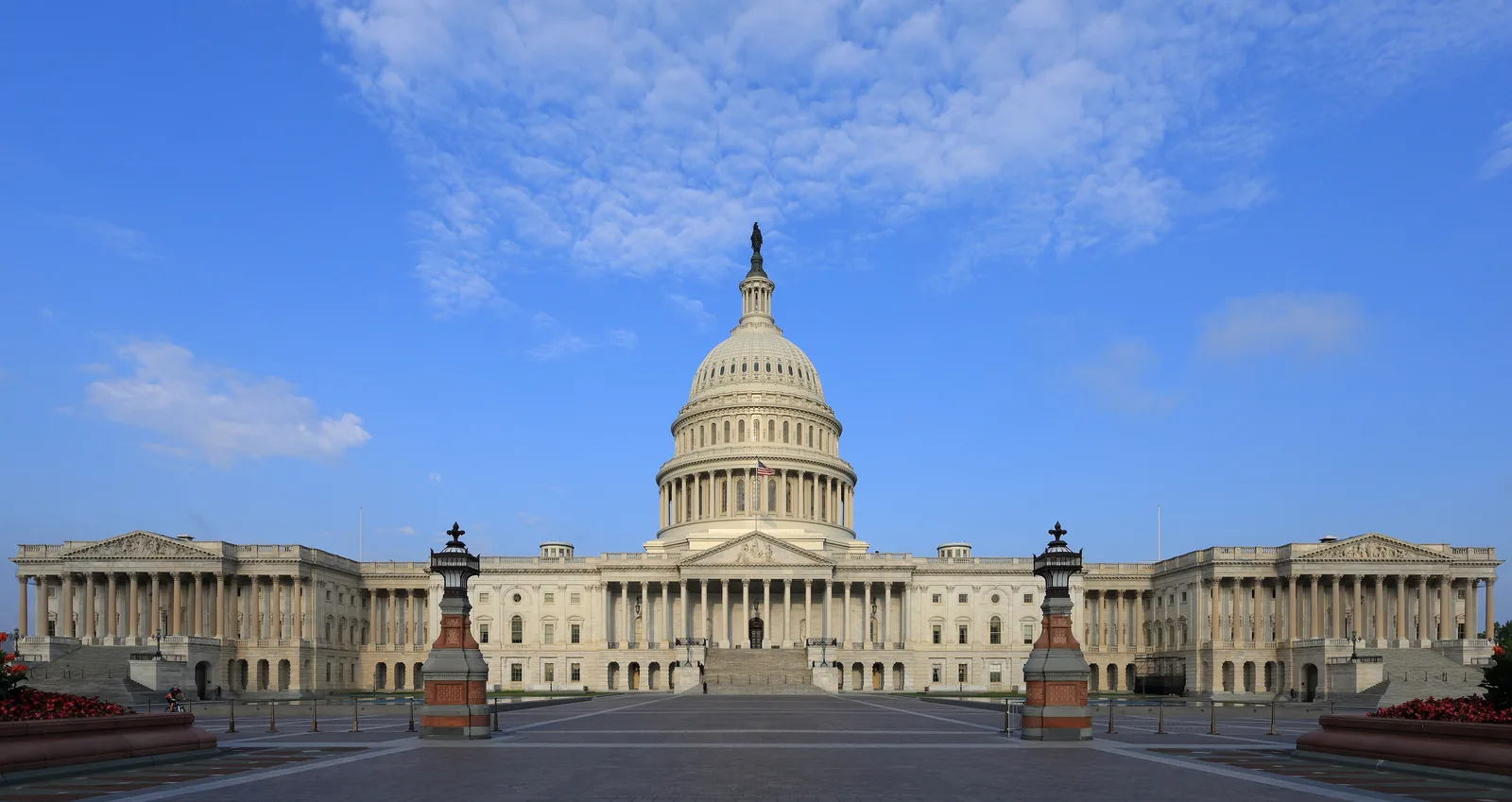 File photo
What happened
The brief
Democratic candidates in more than a dozen competitive Senate races raised $253 million from July through September, more than four times the $56 million raised by Republican candidates, according to NBC News’ account of new fundraising reports filed with the Federal Election Commission. The figures cover the third quarter and show a wide fundraising gap across the contests.
The spending totals also favored Democrats. NBC News reported that Democratic candidates spent a combined $300 million during the quarter, while Republican candidates spent nearly $84 million. Heading into the election’s final month, Democratic candidates had $87 million on hand, compared with $56 million for Republicans.
Republicans were outraised by their Democratic or independent opponents in 14 of the 15 races NBC News’ Decision Desk rated as competitive. Minnesota was the sole exception. NBC News noted that former sports broadcaster Michele Tafoya could have an opening there against Democratic Lt. Gov. Penny Flanagan; the account did not provide fundraising totals for those candidates.
The Texas Senate contest had the largest specific candidate totals in NBC News’ account. Democratic state Rep. James Talarico raised $60.2 million, while state Attorney General Ken Paxton raised $10.2 million. Yahoo’s headline also reported Talarico’s fundraising haul as a record, but did not include supporting figures or further details.
The fundraising data describe campaign receipts, spending and cash on hand, rather than election results. The gap is visible both in the quarter’s totals and in the reported funds available heading into the final month of the election. NBC News attributed the figures to new filings with the Federal Election Commission.
The broader contest totals and the Minnesota exception provide context for the individual races: Republicans were behind their opponents in nearly all the competitive contests NBC News counted, while Minnesota stood apart.
Politico’s headline characterized Senate Republicans as “getting smoked in fundraising.” Crain’s Detroit’s headline separately highlighted Abdul El-Sayed’s $30.7 million fundraising total and rising spending in Senate and House races, without providing further details in the headline.
Why it matters
- Democratic candidates raised $253 million against Republicans’ $56 million across more than a dozen competitive Senate races, a concrete financial gap in the contests.
- Democratic candidates spent $300 million during the quarter, while Republican candidates spent nearly $84 million.
- Democrats entered the election’s final month with $87 million on hand; Republicans had $56 million.
- The gap was not universal: Minnesota was the only one of the 15 competitive races where Republicans were not outraised.
What to watch next
- Whether fundraising and spending totals in the 15 competitive Senate races change after the reported third-quarter figures.
- Whether Minnesota remains the exception among the 15 competitive contests.
- The contest between Democratic state Rep. James Talarico and state Attorney General Ken Paxton, whose reported third-quarter fundraising totals were $60.2 million and $10.2 million.
How it's being covered
Coverage analysisShow details5 source articles · 5 unique outlets · 4 distinct reportsOutlet political mix: Mostly Center· 1 Left · 2 Center · 2 unratedWhere the outlets are based: US/Canada 60% · Unknown 40%
How outlets' accounts compare
Timeline
Developments from this story's sources, dated background we compiled and fact-checked, and our earlier coverage. Each row says which.- After the Watergate-era campaign-finance scandals, Congress amended FECA in 1974, creating the FEC and adding limits on contributions and campaign spending.Background · from our historical context
- The Supreme Court ruled in Buckley v. Valeo that disclosure rules and contribution limits were constitutional but struck down most mandatory spending limits.Background · compiled and fact-checked by Updat3
- Congress passed the Bipartisan Campaign Reform Act, restricting national party committees’ use of soft money and regulating certain election-related broadcasts.Background · compiled and fact-checked by Updat3
- The Supreme Court ruled in Citizens United v. FEC that corporations and unions could make independent political expenditures.Background · compiled and fact-checked by Updat3
- The Supreme Court struck down aggregate limits on individual contributions across federal candidates and committees in McCutcheon v. FEC.Background · compiled and fact-checked by Updat3
- Donald Trump won the presidency, and Republicans gained control of the Senate.Background · compiled and fact-checked by Updat3
- By October 2026, comparisons of Senate fundraising rested on a disclosure system that requires federal candidates and political committees to report receipts and spending to the Federal Election Commission (FEC).Background · from our historical context
How we got here
By October 2026, comparisons of Senate fundraising rested on a disclosure system that requires federal candidates and political committees to report receipts and spending to the Federal Election Commission (FEC). The modern framework began with the Federal Election Campaign Act of 1971 (FECA), which set disclosure requirements for federal campaigns.
After the Watergate-era campaign-finance scandals, Congress amended FECA in 1974, creating the FEC and adding limits on contributions and campaign spending. In *Buckley v. Valeo* (1976), the Supreme Court upheld disclosure rules and contribution limits but struck down mandatory spending limits for candidates, except in circumstances tied to public financing.
Original sources
3 of 5 articles · US/Canada · Show allEvery story links to the reporting it was built from. How we choose sources
Spotted a factual error, a broken link or a misleading summary? Tell us.