
Cuban foreign minister interrupts Waltz’s UN remarks, prompting podium dispute
Cuba’s foreign minister approached the podium and interrupted U.S. Ambassador to the United Nations Mike Waltz during his remarks at the UN General Assembly. Waltz told the diplomat to “back up,” while the Cuban foreign minister accused Waltz of lying and called his remarks beneath the forum’s dignity.
AI-assisted synthesis · Based on 3 independent reports from 4 outlets · Article text read from 1 of 3 reportsHow it's made
View timeline · 7 entries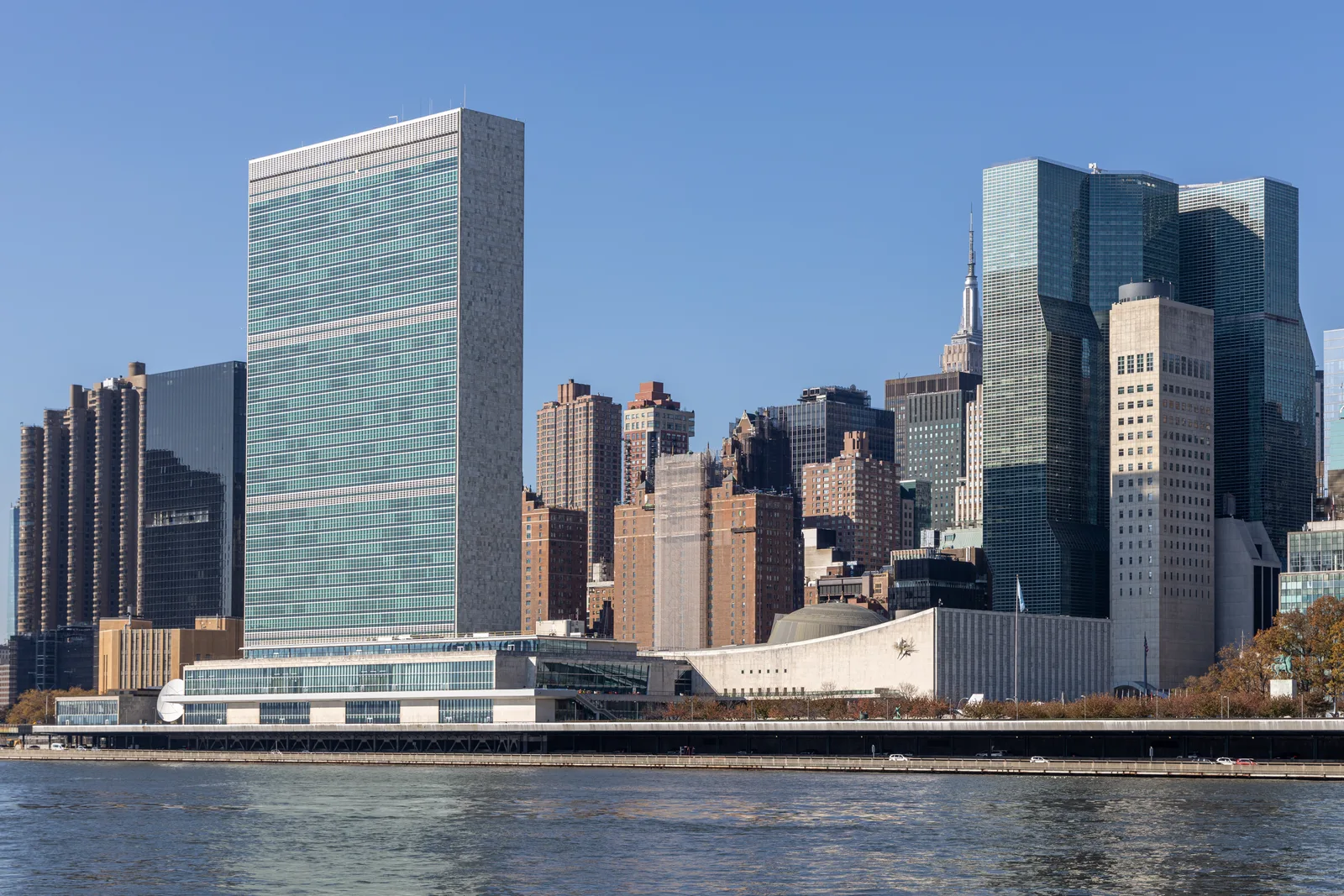 File photo
What happened
Key facts
- U.S. Ambassador to the United Nations Mike Waltz was speaking on the floor of the U.N. General Assembly when Cuba’s foreign minister approached the podium and interrupted his remarks (per wfmd.com).
- Waltz accused Cuba’s government of enriching its leaders while Cuba’s people suffered (per wfmd.com).
- The Cuban foreign minister said, “Mr. Waltz is lying yet again.” (per wfmd.com, BBC).
- The Cuban foreign minister said Waltz’s remarks were beneath the dignity of the forum and its member states, and insulting to Cuba’s government and people (per wfmd.com).
- Waltz said the Cuban diplomat could not silence him and said the diplomat would not intimidate him in the United States (per wfmd.com).
The brief
Cuba’s foreign minister approached the podium and interrupted U.S. Ambassador to the United Nations Mike Waltz as he spoke at the UN General Assembly, according to wfmd.com. Waltz told the diplomat to “back up,” and the exchange became a shouting match. The outlet’s account identifies the speaker as Cuba’s foreign minister but does not give his name.
Waltz was addressing Cuba’s government when the diplomat moved toward the podium. He accused the government of enriching its leaders while its people suffered. The account does not provide figures or supporting evidence for that allegation; it reports it as Waltz’s claim during the exchange. The Cuban foreign minister rejected Waltz’s remarks, saying, “Mr.
Waltz is lying yet again.” He described the remarks as beneath the dignity of the forum and its member states, and as insulting to Cuba’s government and people. His statements were the Cuban official’s response in the confrontation, rather than independently established findings about the claims Waltz made. Waltz also told the diplomat that he could not silence him.
As the exchange continued, Waltz said the individual should move away from the podium and said the diplomat would not intimidate him in the United States. The episode unfolded on the floor of the General Assembly, where Waltz was delivering remarks before the interruption. In a subsequent post on X, Waltz returned to his allegation about Cuba’s leadership.
He said the country’s “Communist leaders” did not want the public to know about a luxury real estate portfolio and added that he was bringing evidence. The post, as described by wfmd.com, does not identify the properties or provide details about the evidence.
The headlines from BBC, CBC and Fox News also describe a shouting match or confrontation involving U.S. and Cuban officials at the United Nations. CBC’s headline places it during a UN embargo vote, while the other headlines do not specify that setting.
The reported exchange therefore centered on Waltz’s criticism of Cuba’s government, the Cuban foreign minister’s rejection of it, and their competing statements during the interruption.
Why it matters
- Cuba’s government and its people were directly named in Waltz’s accusation; the Cuban foreign minister said Waltz’s remarks insulted both.
- The disagreement played out at the UN General Assembly, where the Cuban foreign minister interrupted Waltz’s remarks at the podium.
- Waltz’s post on X raised a specific allegation about a luxury real estate portfolio, but the account does not identify properties or detail the evidence.
What to watch next
- Whether Waltz provides the evidence he said he was bringing about the alleged luxury real estate portfolio.
- Whether Cuba’s government or foreign minister responds further to Waltz’s accusation.
- Whether the UN General Assembly exchange continues beyond the interruption described.
How it's being covered
Coverage analysisShow details4 source articles · 4 unique outlets · 3 distinct reportsOutlet political mix: Mostly Center· 3 Center · 1 RightWhere the outlets are based: US/Canada 75% · Europe 25%
- Coverage is currently concentrated among Center-rated outlets (3 of 4 rated sources); comparatively few Left-rated outlets have published on the event.
- Coverage is currently concentrated among outlets based in US/Canada (3 of 4 geographically-identified sources).
How outlets' accounts compare
Timeline
Developments from this story's sources, dated background we compiled and fact-checked, and our earlier coverage. Each row says which.- Fidel Castro’s government took power in Cuba.Background · compiled and fact-checked by Updat3
- Cuba nationalized U.S.-owned property on the island.Background · compiled and fact-checked by Updat3
- President John F. Kennedy implemented a U.S. trade embargo against Cuba through Proclamation 3447.Background · compiled and fact-checked by Updat3
- Congress enacted the Helms-Burton Act, codifying much of the U.S. embargo on Cuba.Background · compiled and fact-checked by Updat3
- Barack Obama and Raúl Castro announced a process to normalize U.S.-Cuba relations.Background · compiled and fact-checked by Updat3
- The United States and Cuba restored diplomatic relations and reopened their embassies.Background · compiled and fact-checked by Updat3
- The reopening of embassies did not end the embargo, and President Donald Trump announced a policy reversal in 2017 that restricted some travel and business with Cuba.Background · from our historical context
How we got here
After Fidel Castro’s government took power in 1959, it nationalized U.S.-owned property in Cuba in 1960. The United States imposed broad trade restrictions in 1962 under the Trading with the Enemy Act, with President John F. Kennedy implementing the embargo through Proclamation 3447; Congress later codified much of it in the 1996 Helms-Burton Act.
The two governments restored diplomatic relations in 2015 after President Barack Obama and Cuban President Raúl Castro announced a normalization process in December 2014. The reopening of embassies did not end the embargo, and President Donald Trump announced a policy reversal in 2017 that restricted some travel and business with Cuba. At the U.N. General Assembly, U.S.
Original sources
3 of 4 articles · US/Canada · Show allEvery story links to the reporting it was built from. How we choose sources
Spotted a factual error, a broken link or a misleading summary? Tell us.