
Six citizens challenge Trump’s White House press ban in court
Six citizens filed a federal lawsuit against President Donald Trump over restrictions on White House press access for CNN, Politico and MS Now. The plaintiffs say the restrictions limit the public’s access to independent reporting, and they seek protection for their ability to receive that information.
AI-assisted synthesis · Based on 5 outlets' reporting · Article text read from 3 of 5 outletsHow it's made
View timeline · 9 entries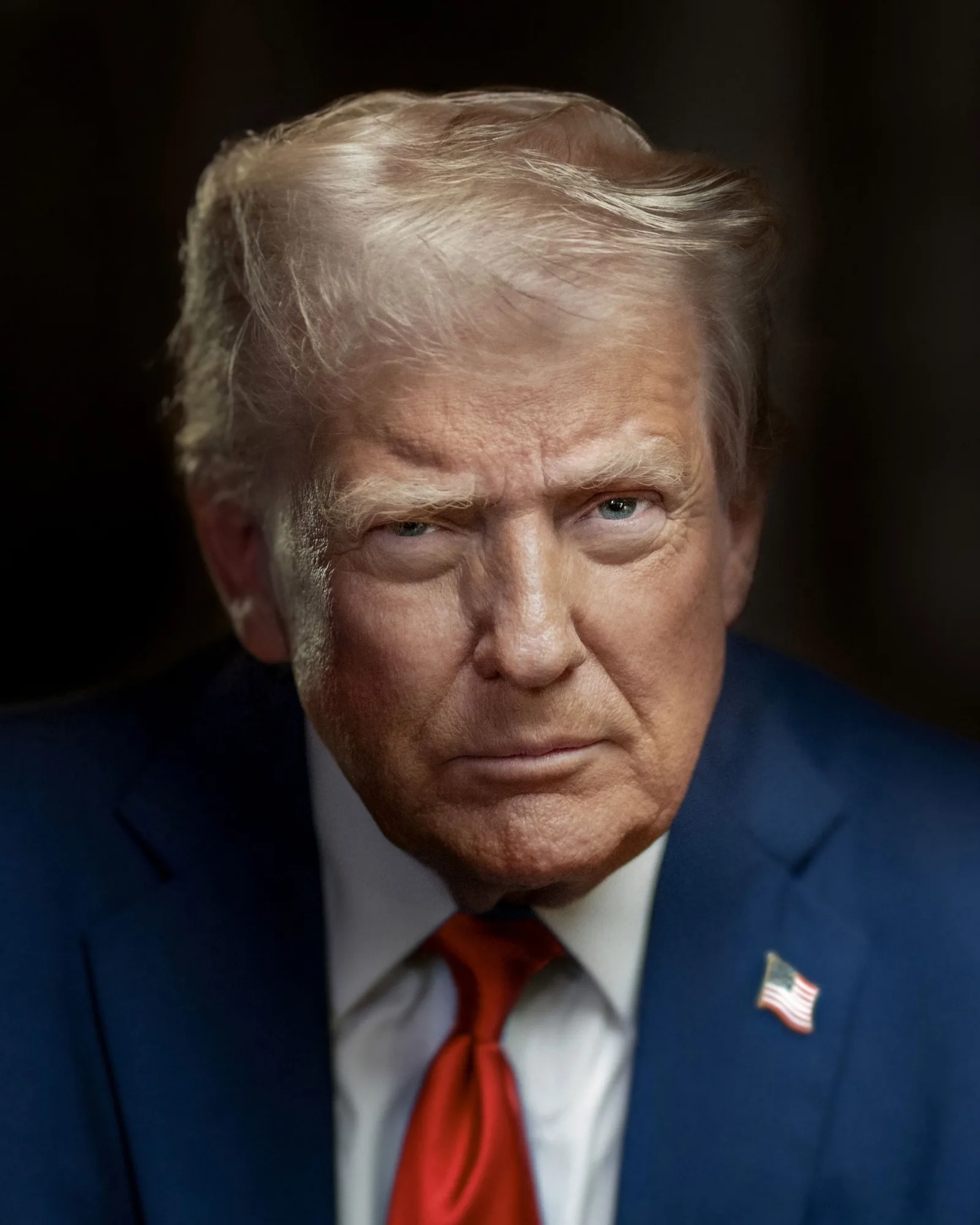 File photo
What happened
Key facts
- MS Now is also named in the press restrictions challenged by the lawsuit (per Washington Examiner, livemint.com).
- The lawsuit was filed in federal court in New York (per livemint.com, newswav.com, Washington Examiner).
The brief
Six citizens have filed a federal lawsuit against President Donald Trump, challenging restrictions on White House press access and arguing that they limit the public’s ability to receive independent reporting about the president and his administration. The case was filed in federal court in New York and concerns access restrictions involving CNN, Politico and MS Now.
The plaintiffs bring different professional perspectives: they include a human rights advocate, a media watchdog, a historian, a civics teacher, a legal journalist and a student journalist. They say they use White House press corps reporting in work spanning journalism, education, research, scholarship, teaching and advocacy.
The Knight First Amendment Institute at Columbia University and Yale Law School’s Media Freedom and Information Access Clinic filed the case on their behalf. The lawsuit contends that restricting news organisations’ access because of their coverage limits the public’s ability to get independent accounts of the president and his administration.
It frames the resulting injury as one affecting the broader public, not only the journalists whose access is at issue. The plaintiffs’ case thus centers on the audience’s ability to receive information as well as the press’s ability to report. The dispute also involves a separate lawsuit brought by CNN, Politico and MS Now.
The Washington Examiner reports that an October 13 preliminary injunction requires the administration to maintain press access for those outlets while that case proceeds. The Examiner also reports that CNN and Politico were prevented from boarding Air Force One to perform pool duties on Monday, a development relevant to the access conflict.
The reports do not specify the calendar date of that incident. The administration’s position, as relayed by newswav.com through an unidentified White House official, is that no one can demand access to the Oval Office. The official also said media outlets accused of publishing misinformation or defamation could report from outside.
Those remarks state the administration’s position; they do not resolve the citizens’ legal claim about press access or the public’s right to receive information. The case is part of a wider legal dispute over the Trump administration’s treatment of media organisations and the rules governing journalists’ access to the White House, as livemint.com describes it.
The immediate legal question is whether the access restrictions challenged by the citizens can stand alongside their claimed First Amendment right to receive independent reporting.
The preliminary injunction reported by the Washington Examiner applies to the outlets’ access while their case continues; the citizens’ separate suit adds claims about the public and individual news consumers.
Why it matters
- The six plaintiffs say they depend on White House press corps reporting for journalism, education, research, scholarship, teaching and advocacy; access limits could constrain those specific activities.
- The dispute concerns the public’s access to independent reporting about the president and his administration, a mechanism the lawsuit says affects readers beyond the news organisations.
- CNN and Politico’s reported exclusion from Air Force One pool duties illustrates a practical access issue, while the October 13 injunction requires access for CNN, Politico and MS Now during the outlets’ ongoing case.
What to watch next
- Whether the federal court in New York grants or denies relief in the six citizens’ lawsuit.
- Whether the administration maintains CNN, Politico and MS Now’s access under the October 13 preliminary injunction as the outlets’ case proceeds.
- Whether CNN and Politico can carry out Air Force One pool duties after the reported boarding restriction.
How it's being covered
Coverage analysisShow details5 source articles · 5 unique outletsOutlet political mix: Mostly Center· 2 Center · 1 Right · 2 unratedWhere the outlets are based: US/Canada 40% · Asia 40% · Other 20%
How outlets' accounts compare
3 framing differences · 2 uncorroborated claims · 1 information gap- The Washington Examiner emphasizes the six plaintiffs’ professions and the existing preliminary injunction, while livemint.com foregrounds the lawsuit’s claim that access restrictions deprive the public of independent reporting.
- newswav.com reports the administration’s position through an unidentified White House official; the other source excerpts do not include that response.
- The citizens attribute harm to restrictions on press access; the administration’s quoted position is that access to the Oval Office cannot be demanded.
- The lawsuit says the ultimate injury is to the democratic public.
- An unidentified White House official said, “No person may demand access to the Oval Office.”
- The administration’s assertion that outlets accused of misinformation or defamation can report from outside is presented as an official position, not an adjudicated finding.
Timeline
Developments from this story's sources, dated background we compiled and fact-checked, and our earlier coverage. Each row says which.- The First Amendment was ratified, protecting freedom of speech and of the press.Background · compiled and fact-checked by Updat3
- The WHCA, founded in 1914, has coordinated press-pool coverage and represented journalists covering the presidency.Background · from our historical context
- The White House Correspondents’ Association was founded.Background · compiled and fact-checked by Updat3
- The White House suspended CNN correspondent Jim Acosta’s press pass after a contentious news conference.Background · compiled and fact-checked by Updat3
- U.S. District Judge Timothy Kelly ordered Acosta’s press pass temporarily restored, citing inadequate due process.Background · compiled and fact-checked by Updat3
- Donald Trump and J.D. Vance won the presidential election.Background · compiled and fact-checked by Updat3
- Donald Trump was inaugurated for a second term as president.Background · compiled and fact-checked by Updat3
- In February 2025, the White House announced that it would choose journalists for the presidential press pool, a role traditionally coordinated by the White House Correspondents’ Association (WHCA).Background · from our historical context
- The February 2025 change to press-pool selection followed this earlier history of disputes over who controls access to presidential events and how that control may be exercised.Background · from our historical context
How we got here
In February 2025, the White House announced that it would choose journalists for the presidential press pool, a role traditionally coordinated by the White House Correspondents’ Association (WHCA).
In November 2018, during Donald Trump’s first presidency, the White House suspended CNN correspondent Jim Acosta’s press pass after a contentious news conference; on November 16, U.S. District Judge Timothy Kelly ordered the pass temporarily restored, citing the lack of adequate due process.
Original sources
2 of 5 articles · US/Canada · Show allEvery story links to the reporting it was built from. How we choose sources
Spotted a factual error, a broken link or a misleading summary? Tell us.