
Six US lawmakers ask Rubio to raise rights issues with Indian officials
Six Democratic lawmakers urged Secretary of State Marco Rubio to raise concerns about democratic freedoms and human rights with Indian officials during his planned visit to India. Their letter addressed student protests, alleged excessive force by security forces and concerns about 130 million voters removed from draft electoral rolls.
AI-assisted synthesis · Based on 5 outlets' reporting · Full text read from 3 of 5 outletsHow it's made
View timeline · 1 entry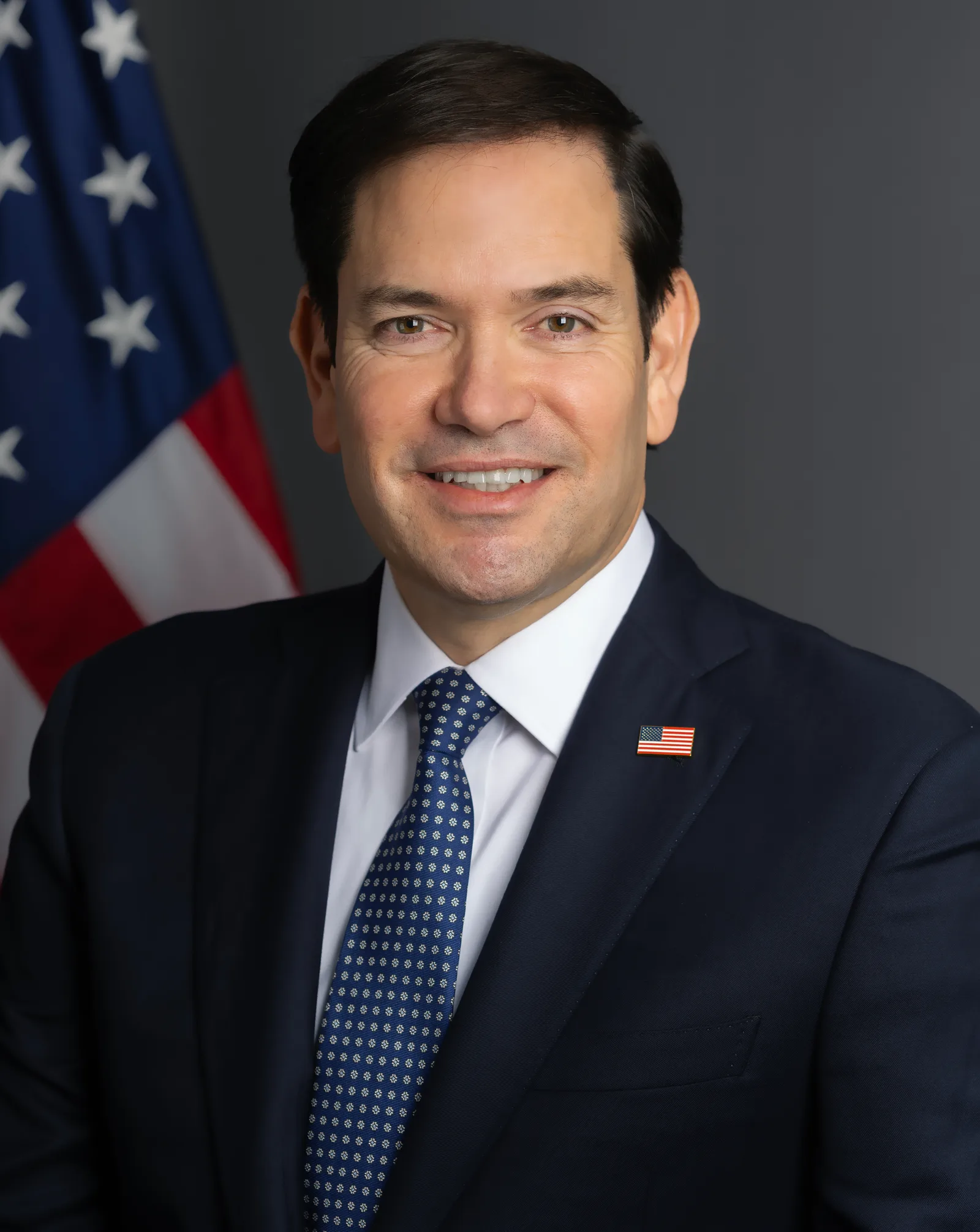 File photo
What happened
Key facts
- Pramila Jayapal, James P McGovern, Rashida Tlaib, Chuy Garcia, Eleanor Holmes Norton and Ilhan Omar signed the letter.
- Jayapal shared the appeal in a post on X on Friday, saying both countries should promote and defend democratic freedoms.
The brief
Six Democratic lawmakers urged Secretary of State Marco Rubio to raise concerns about democratic freedoms and human rights with Indian officials during his planned visit to India. Their letter, dated October 16, focuses on student protests, alleged excessive force by security forces and voting rights, including the revision of draft electoral rolls.
The lawmakers named in the coverage include Pramila Jayapal, Ilhan Omar, James P McGovern, Rashida Tlaib, Eleanor Holmes Norton and Jesus Garcia, whom India Today identifies as the signers. The Times of India gives Chuy Garcia rather than Jesus Garcia in its list.
The outlets therefore report a discrepancy in the name associated with the sixth signer; the supplied accounts do not resolve it. In the letter’s account, security forces used excessive force and wrongfully detained people during student protests in Delhi and other localities across India.
The lawmakers also raised concerns about the removal of 130 million voters from draft electoral rolls. Jayapal described the change as a “purge,” a characterization also reported by India Today and rediff.com. The sources provide the lawmakers’ allegations and concerns, not an independent finding about protest policing or the electoral-roll revision.
The letter asks Rubio to discuss freedom of expression, the right to protest and voting rights with Indian officials. It links those rights to the democratic identities of both countries. Jayapal shared the appeal in a post on X on Friday, saying both countries should promote and defend democratic freedoms, according to The Times of India.
The reporting adds a qualification to the criticism: the letter acknowledged steps by the Indian government to address student grievances over exam leaks and pointed to Education Minister Pradhan’s resignation. The accounts do not explain the exam leaks or describe the steps beyond that reference. The outlets emphasize different aspects of the appeal.
India Today and rediff.com foreground the concerns over protest policing and the 130 million voters, while The Times of India sets out the letter’s specific rights agenda and its acknowledgment of government action on student grievances.
Rediff.com also reports a response from Bhutoria, described as an adviser to former president Joe Biden, who said on X: “Focus on US problems.” The other reports do not include that comment. Rubio was scheduled to visit India and Uzbekistan between October 17 and 22, according to The Times of India.
The appeal places the lawmakers’ concerns before him in connection with that planned trip; the sources do not report whether he raised them with Indian officials.
Why it matters
- Students participating in protests in Delhi and other Indian localities are the population directly implicated by the lawmakers’ allegations of excessive force and wrongful detention.
- The draft electoral-roll revision is the mechanism at issue in the lawmakers’ concern about 130 million voters; Jayapal called the removals a “purge.”
- The letter connects voting rights and freedoms of expression and protest to the democratic identities of both India and the United States.
- The letter also cites the Indian government’s steps on student grievances related to exam leaks, including Education Minister Pradhan’s resignation.
What to watch next
- Whether Marco Rubio raises the letter’s concerns with Indian officials during his planned India visit.
- Whether Rubio discusses freedom of expression, the right to protest and voting rights, the subjects specified in the letter.
- Whether the Indian government takes further steps on student grievances related to exam leaks, an issue the letter says it has addressed.
How it's being covered
Coverage analysisShow details5 source articles · 5 unique outletsCoverage mix: Center Only· 4 CenterWhere the outlets are based: Asia 60% · Unknown 40%
- Coverage is currently concentrated among Center-rated outlets (4 of 4 rated sources); comparatively few Left or Right-rated outlets have published on the event.
One source is from a wire service (AP, Reuters, AFP or Bloomberg), whose reporting other outlets often republish.
How outlets' accounts compare
4 framing differences · 2 uncorroborated claims · 2 information gaps- India Today and rediff.com emphasize protest policing and the 130 million voters; The Times of India foregrounds the letter’s wider rights agenda and its acknowledgment of government action on exam-related grievances.
- Rediff.com includes Bhutoria’s criticism, “Focus on US problems”; the other reports do not include that response.
- The concerns about protest policing and voter-roll removals are attributed to the lawmakers; the sources do not present them as independently established findings.
- India Today names Jesus Garcia among the signers, while The Times of India names Chuy Garcia; the accounts do not resolve the difference.
- Jayapal called the removal of 130 million voters from draft electoral rolls a “purge.”
- Bhutoria said on X: “Focus on US problems.”
- The sources do not provide an independent assessment of the alleged excessive force, wrongful detention or the draft electoral-roll removals.
- The sources do not quantify arrests, injuries or other consequences for students or voters.
Timeline
Developments from this story's sources, dated background we compiled and fact-checked, and our earlier coverage. Each row says which.- India’s Constitution, which took effect in 1950, established an Election Commission in Article 324 and universal adult suffrage in Article 326.Background · from our historical context
How we got here
India’s Constitution, which took effect in 1950, established an Election Commission in Article 324 and universal adult suffrage in Article 326. The Representation of the People Act, 1950, provides for preparing and revising electoral rolls; the accuracy and inclusiveness of those rolls therefore bear directly on the right to vote.
In the United States, the secretary of state conducts diplomacy under the president’s direction, giving Marco Rubio’s planned India visit a channel through which lawmakers could ask the administration to raise these issues.
Original sources
2 of 5 articles · Unknown · Show allEvery story links to the reporting it was built from. How we choose sources
Spotted a factual error, a broken link or a misleading summary? Tell us.