
Starlink speed caps lifted after slowing Ukrainian drone connections, outlet says
An outlet reported that Starlink speed caps were lifted after the limits reportedly slowed Ukrainian drone connections; the available source provides no further details or corroboration.
AI-assisted synthesis · Based on 3 independent reports from 4 outlets · Article text read from 1 of 3 reportsHow it's made
View timeline · 11 entries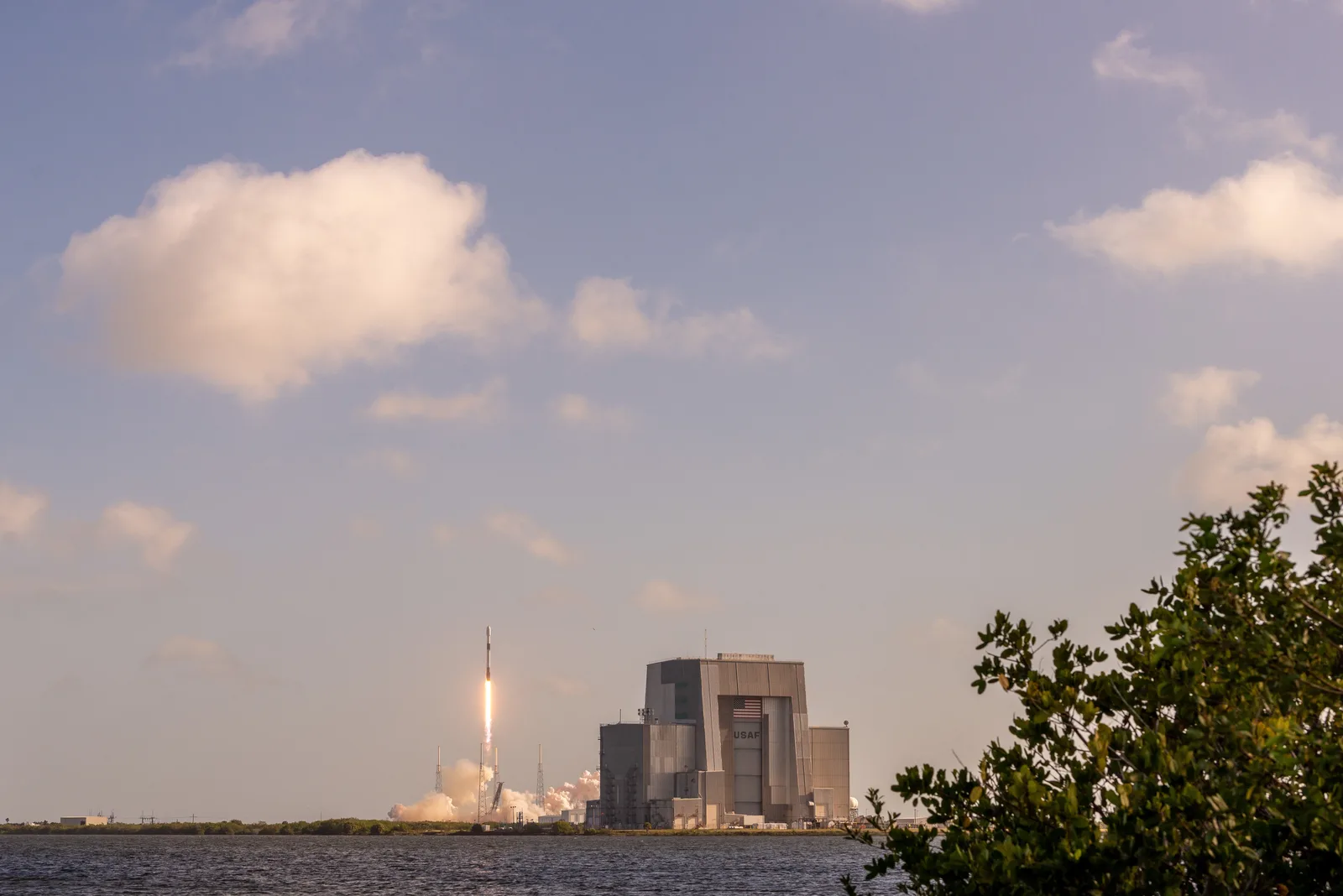 File photo
What happened
Key facts
- An outlet reported that Starlink speed caps were lifted after limits reportedly slowed Ukrainian drone connections.
- The available source excerpt provided no further details or independent corroboration of the reported speed-cap change.
- In September 2022, Elon Musk said SpaceX had not enabled Starlink coverage over Crimea when Ukrainian forces sought connectivity for an operation there.
- In October 2022, Musk said SpaceX could not continue paying indefinitely for Ukraine’s Starlink service; SpaceX later asked the U.S. government to fund it.
- In June 2023, the Pentagon confirmed it had contracted with Starlink to provide satellite communications to Ukraine.
- SpaceX began Starlink satellite launches in 2019 and introduced the service to the public in 2020.
The brief
Geosirius.ifz.ru reported that Ukrainian defense officials confirmed speed restrictions on Starlink and Starshield terminals had been lifted. The outlet said Ukrainian defense leadership also confirmed that the connections were stable again. It did not identify who imposed the restrictions or give a specific date for when they were lifted.
The outlet described the restrictions as lasting more than a week. It said a speed ceiling of about 161 kilometers per hour had been applied across various contested sectors.
That figure and the account of where the limit applied were reported by Geosirius.ifz.ru; the available headline from AOL separately says Elon Musk restricted Ukraine’s Starlink access after the military “violated” terms. Geosirius.ifz.ru said terminal speeds exceeded 400 kilometers per hour in diagnostic tests after the restrictions were lifted.
It did not give the number of terminals tested or further details about the tests. The report presented the test result alongside Ukrainian defense leadership’s confirmation that connections had stabilized. The outlet linked the restrictions to the performance of high-speed tactical drones, saying they had become slower and more vulnerable while the limits were in force.
It described fast drones as relying on continuous, low-latency data connections to adjust trajectories, evade electronic jamming and track moving targets. Those explanations are the outlet’s account of how the restrictions affected drone operations.
The Jerusalem Post and The Media Line headlines also characterize the episode as Starlink being slowed and Ukrainian drones being stalled. Their headlines do not provide further details about the restrictions, tests or officials’ statements.
AOL’s headline offers a separate explanation, attributing the access restriction to Elon Musk and saying it followed the Ukrainian military’s alleged violation of terms; the headline does not specify those terms. The reported change is the lifting of restrictions and the return of stable connections, as confirmed by Ukrainian defense officials according to Geosirius.ifz.ru.
The outlet’s account does not identify who ordered the limits or establish the circumstances behind that decision. The diagnostic speed figure is the only quantified post-lifting test result in its report.
Why it matters
- If the reported speed cap affected Ukrainian drones using Starlink, lifting it could restore faster connections for operators, improving real-time control and reconnaissance; the outlet’s account has not been independently corroborated. The episode highlights Ukraine’s reliance on a privately operated communications network for military operations, leaving frontline connectivity vulnerable to provider decisions and underscoring the value of dependable alternatives.
What to watch next
- Whether Ukrainian defense officials provide further details about the lifting of the Starlink and Starshield restrictions.
- Whether further diagnostic results establish how widely terminal speeds above 400 kilometers per hour were recorded.
- Whether Elon Musk or the Ukrainian military provides details about the terms referenced in AOL’s headline.
How it's being covered
Coverage analysisShow details4 source articles · 4 unique outlets · 3 distinct reportsOutlet political mix: Mostly Center· 2 Center · 1 Right · 1 unratedWhere the outlets are based: US/Canada 25% · Europe 25% · Other 50%
How outlets' accounts compare
Timeline
Developments from this story's sources, dated background we compiled and fact-checked, and our earlier coverage. Each row says which.- SpaceX launched its first 60 operational Starlink satellites.Background · compiled and fact-checked by Updat3
- SpaceX introduced Starlink service to the public.Background · compiled and fact-checked by Updat3
- SpaceX activated Starlink service in Ukraine and terminals were supplied there.Background · compiled and fact-checked by Updat3
- Russia launched its full-scale invasion of Ukraine.Background · compiled and fact-checked by Updat3
- In April 2022, the U.S. Agency for International Development announced it had arranged delivery of thousands of Starlink terminals to Ukraine, with SpaceX providing part of the equipment.Background · from our historical context
- In September 2022, Elon Musk said SpaceX had not enabled Starlink coverage over Crimea when Ukrainian forces sought connectivity for an operation there; he said the network had not been active in that area.Background · from our historical context
- In October 2022, Musk said SpaceX could not continue paying indefinitely for Ukraine’s Starlink service, and the company later asked the U.S. government to fund it.Background · from our historical context
- SpaceX announced Starshield in December 2022 as a satellite service for government and national-security customers, distinct from its commercial Starlink offering.Background · from our historical context
- In February 2023, SpaceX president Gwynne Shotwell said the company had taken steps to limit Ukraine’s use of Starlink for offensive drone operations, explaining that the service had not been intended for weaponization.Background · from our historical context
- In June 2023, the Pentagon confirmed it had contracted with Starlink to provide satellite communications to Ukraine.Background · from our historical context
- Elon Musk said he had refused a Ukrainian request to activate Starlink near Crimea.Background · compiled and fact-checked by Updat3
How we got here
In September 2022, Elon Musk said SpaceX had not enabled Starlink coverage over Crimea when Ukrainian forces sought connectivity for an operation there; he said the network had not been active in that area. In October 2022, Musk said SpaceX could not continue paying indefinitely for Ukraine’s Starlink service, and the company later asked the U.S. government to fund it.
In June 2023, the Pentagon confirmed it had contracted with Starlink to provide satellite communications to Ukraine. SpaceX introduced Starlink service to the public in 2020, after beginning satellite launches in 2019.
Original sources
1 of 4 articles · Europe · Show allEvery story links to the reporting it was built from. How we choose sources
Spotted a factual error, a broken link or a misleading summary? Tell us.