
Supreme Court assures Indian electors Form 6 use will not bring prosecution
The Supreme Court verbally assured electors that they would not be prosecuted for using Form 6 to seek restoration of their names to electoral rolls. The bench said it could allow more time for genuine voters omitted from the final list to submit documents.
AI-assisted synthesis · Based on 5 outlets' reporting · Article text read from 1 of 5 outlets · 1 article captured only in partHow it's made
View timeline · 7 entries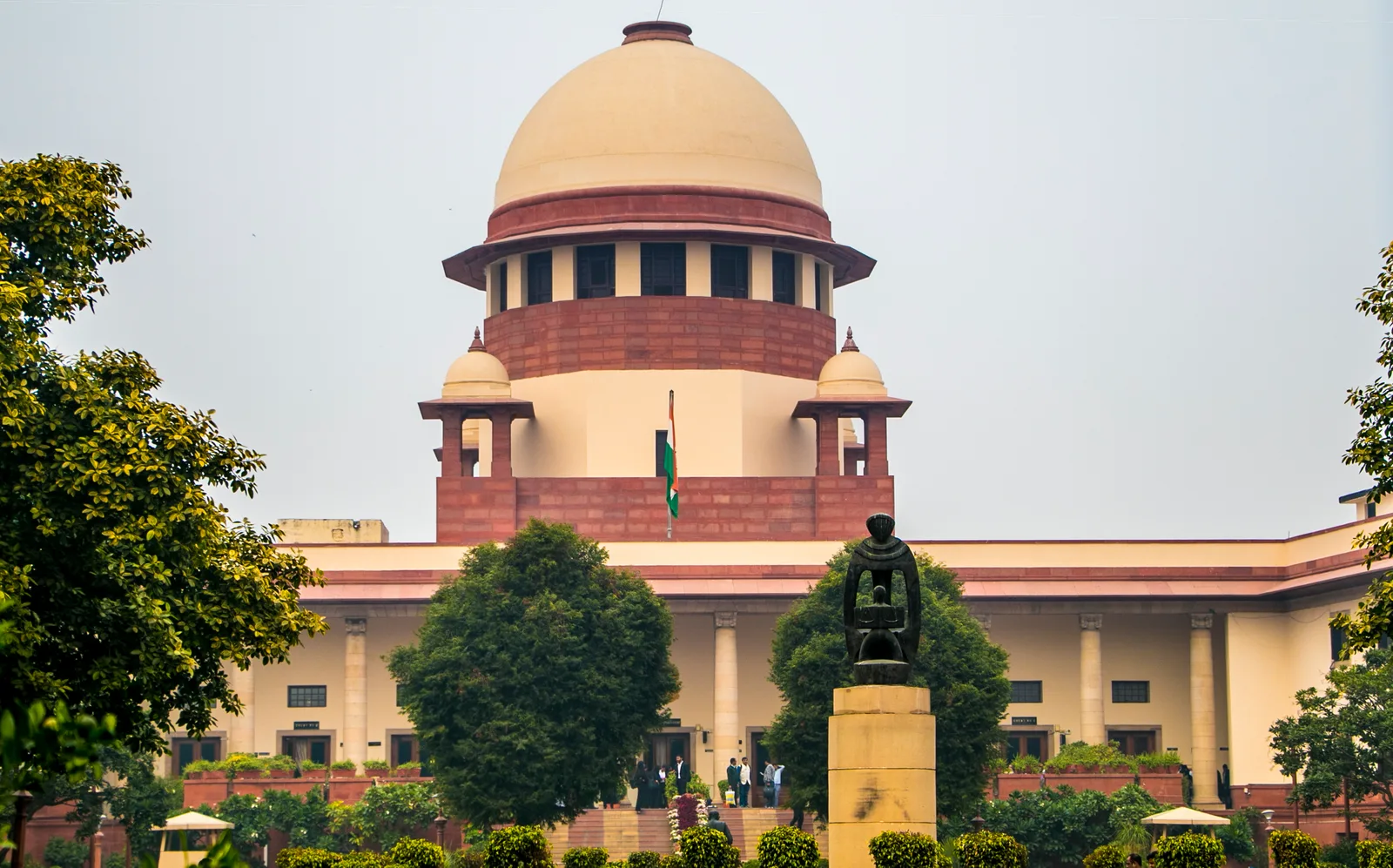 File photo
What happened
Key facts
- The Supreme Court verbally assured electors on Monday that no one would be prosecuted for using Form 6 to re-enter a name on electoral rolls.
- Form 6 asks applicants to declare that they are fresh voters.
- The Supreme Court said genuine voters left off the final list may get extra time.
The brief
The Supreme Court verbally assured electors that they would not be prosecuted for using Form 6 to seek restoration of their names to electoral rolls, The Times of India reported. The bench also said it could grant more time for genuine voters left off the final list to submit documents.
The assurance addresses a concern raised in a public interest litigation over voters seeking to have their names included. Form 6 requires applicants to declare that they are fresh voters, according to The Times of India. Datar told the court that voters whose names had been removed were being asked to use that form.
The report does not identify Datar by a first name or specify the court’s precise wording beyond describing the assurance as verbal.
Datar said two crore voters were excluded from Maharashtra’s draft electoral roll, with 1.22 crore exclusions attributed to “logical discrepancy.” He argued that voters removed on flimsy or non-existent grounds would have little chance to have their names restored, given the claims-and-objections deadline of Oct 26.
These figures and the assessment of the grounds for deletion were presented by Datar, rather than stated as findings by the court. Datar also told the bench that 33% of voters in Maharashtra had been deleted. He linked the concern to the use of Form 6 for people whose names were removed, although the form is meant for fresh voters.
The court’s assurance was that using it would not expose those applicants to prosecution; it did not, in the account, decide the merits of individual claims or confirm that all applicants would be added to the rolls. The bench asked the Election Commission to respond to the public interest litigation by Nov 5.
It said it would consider that day whether extra time should be allowed for people seeking inclusion. That consideration is the next stated step in the proceedings; the account does not say that the court had already extended the deadline. The final electoral list was due to be published on Nov 6, according to The Times of India.
The bench’s offer of possible additional time was conditional on finding genuine voters whose names could not be included in that list. The account therefore describes a possible allowance for document submission, not a guaranteed extension or a change to the publication date.
Why it matters
- Voters removed from Maharashtra’s draft electoral roll face the practical question of how to seek inclusion when Form 6 asks applicants to declare they are fresh voters.
- Datar put the scale at two crore excluded voters, including 1.22 crore classified under “logical discrepancy”; those figures frame the scope of the claims raised in court.
- The court’s assurance addresses the risk of prosecution for electors using Form 6, while any extra time remains dependent on the bench’s assessment of genuine cases.
What to watch next
- Whether the Election Commission files its response to the public interest litigation by Nov 5.
- Whether the Supreme Court decides on Nov 5 to give additional time to voters seeking inclusion.
- Whether the final electoral list is published on Nov 6 and how the court’s stated possibility of extra time relates to it.
How it's being covered
Coverage analysisShow details5 source articles · 5 unique outletsOutlet political mix: Center Only· 4 Center · 1 unratedWhere the outlets are based: Asia 80% · Unknown 20%
- Coverage is currently concentrated among Center-rated outlets (4 of 4 rated sources); comparatively few Left or Right-rated outlets have published on the event.
- Coverage is currently concentrated among outlets based in Asia (4 of 5 geographically-identified sources).
How outlets' accounts compare
Timeline
Developments from this story's sources, dated background we compiled and fact-checked, and our earlier coverage. Each row says which.- The Constitution’s adoption on November 26, 1949, established the constitutional basis for adult suffrage and an independent Election Commission.Background · from our historical context
- India enacted the Representation of the People Act to provide for preparing and revising electoral rolls.Background · compiled and fact-checked by Updat3
- Article 324 of the Constitution, which took effect on January 26, 1950, vests supervision, direction and control of elections in the Election Commission.Background · from our historical context
- India enacted the Representation of the People Act, 1951, setting rules for conducting elections and resolving related disputes.Background · compiled and fact-checked by Updat3
- India’s Constitution (Sixty-first Amendment) Act received assent, lowering the voting age from 21 to 18.Background · compiled and fact-checked by Updat3
- The Election Commission revised Form 6 for applications to include names in electoral rolls and introduced additional qualifying dates for new voters.Background · compiled and fact-checked by Updat3
- The Election Commission ordered a Special Intensive Revision of electoral rolls in Bihar.Background · compiled and fact-checked by Updat3
How we got here
The immediate procedural background was the Election Commission of India’s 2022 revision of voter-registration forms: the revised Form 6 became the application for inclusion in an electoral roll, while separate forms handled objections, corrections and other changes.
The revised system also allowed eligible people who turned 18 on January 1, April 1, July 1 or October 1 to apply during the year, rather than waiting for a single annual qualifying date. Form 6’s role as an application for inclusion—not a general-purpose restoration form—stems from this registration framework.
Original sources
5 articles from 5 outletsEvery story links to the reporting it was built from. How we choose sources
Spotted a factual error, a broken link or a misleading summary? Tell us.