
Supreme Court orders Election Commission to answer opposition petition on voter list revisions
India's Supreme Court has directed the Election Commission of India to formally answer a petition from opposition leaders challenging large-scale voter list revisions that removed about 130 million names. The court order obliges the commission to respond as the opposition cites removals in West Bengal and recent state poll outcomes as central to their claim.
AI-assisted synthesis · Based on 5 outlets' reporting · Full text read from 3 of 5 outletsHow it's made
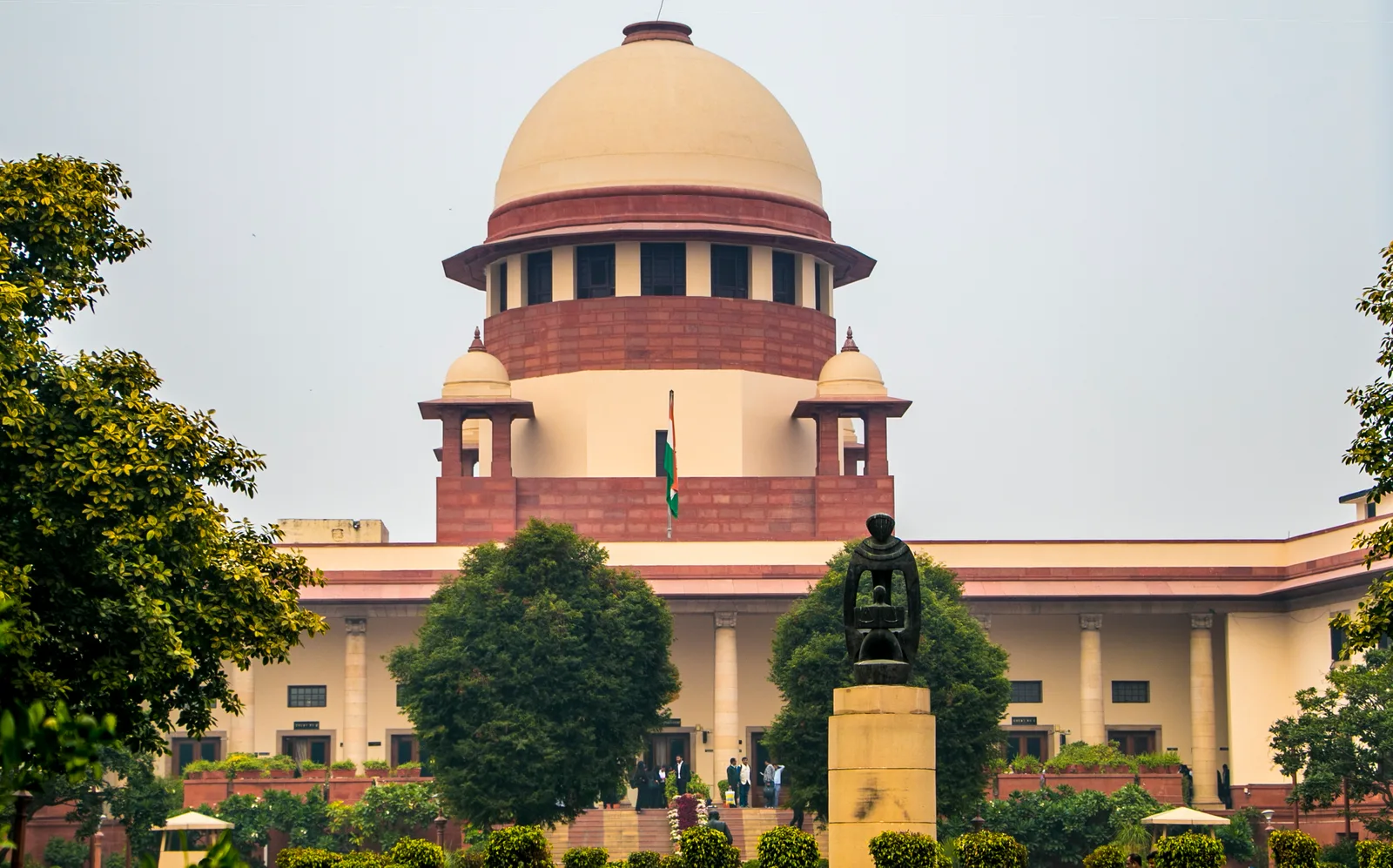 File photo
What happened
Key facts
- India's Supreme Court directed the Election Commission of India to answer a petition on alleged irregularity in the revision of voter rolls (per CNA, Hindustan Times, pragativadi.com).
- The petition was filed by Congress leader Rahul Gandhi and other opposition chiefs (per Hindustan Times, CNA, DW).
- The opposition's petition says roughly 130 million names were removed from the voter rolls since revisions began last year (per CNA).
- The Election Commission disputes the figure of 130 million removals and denied that the voter list changes gave undue advantage to Prime Minister Narendra Modi's ruling BJP in recent state polls (per CNA).
- The Supreme Court agreed to examine a plea seeking a regulatory framework for protests and processions near the top court and other judicial complexes after an October 12 march by opposition leaders including Rahul Gandhi towards the Supreme Court over alleged electoral irregularities and the Election Commission's functioning (per Hindustan Times).
- Multiple outlets reported the Supreme Court issued notice or directed the Election Commission to respond to petitions related to electoral irregularities and voter roll revisions (per Hindustan Times, CNA, pragativadi.com).
The brief
India's Supreme Court has ordered the Election Commission of India to file a formal reply to a petition from Congress leader Rahul Gandhi and other opposition figures that challenges large-scale revisions to the voter rolls.
The petition, lodged after electoral roll updates began last year, alleges about 130 million names were removed nationwide and highlights roughly 9 million removals in West Bengal, a figure the commission contests.
The petition links those removals to recent state poll outcomes, saying the West Bengal deletions preceded the BJP's first-time victory in the state; the Election Commission has denied the roll changes gave the ruling Bharatiya Janata Party an unfair advantage.
The court's direction brings the electoral body's internal procedures and its public explanations under judicial scrutiny, and it comes in the wake of public protests: opposition leaders, including Rahul Gandhi, marched to the Supreme Court on October 12 to press complaints about the Election Commission's conduct and alleged irregularities.
During the hearing, senior advocate Gaurav Bhatia told the court it was unacceptable that a political procession had approached the judiciary, and the court said it would examine a plea seeking rules for protests and processions near judicial complexes.
Sources reporting the order describe a dispute over basic numbers and over whether the commission's revisions affected electoral outcomes. Channel NewsAsia's reporting states the 130 million figure and notes the commission disputes it; Hindustan Times' coverage emphasises the confrontation around the court precincts and the October 12 march.
Deutsche Welle's reporting includes broader developments in India unrelated to the petition but also noted the public protests that prompted legal filings.
The petition will require the Election Commission to set out how it carried out the revisions, what checks and audits it used, and to justify the legal basis for removals; those procedural questions are at the core of what the Supreme Court has asked the commission to answer.
The commission's denial of the opposition's numerical claim and of partisan effect is now formally before the court, which will consider the petition and any supporting evidence the opposition supplies.
If the court proceeds to examine audit records or orders an independent verification, that could compel the commission to produce detailed administrative records about why names were deleted and the methodology used.
At present, reporting identifies a dispute over quantities removed and their political significance but does not record an independent tally or court finding on the numbers.
The wider political context in which this legal confrontation has arisen includes mass opposition protests and allegations by opposition parties that electoral administration has been compromised; the Supreme Court's move to hear the petition places those allegations into a judicial process rather than leaving them solely to public protest.
Why it matters
- Voters in West Bengal face a concrete risk to their enrolment status: the petition cites about 9 million names removed there, a mechanism that the opposition says altered the eligible electorate ahead of elections.
- Electoral administration credibility is at stake for Indian voters nationwide because the petition alleges roughly 130 million deletions since roll revisions began and asks the court to scrutinise the Election Commission's procedures for removals.
- The Election Commission's formal defence to the court will determine whether administrative records and audit procedures must be disclosed, affecting how future roll revisions are implemented and overseen.
- Political parties have a documented stake: the opposition has linked the removals to state poll outcomes, while the ruling BJP faces the commission's denial that the revisions advantaged it; both positions are now placed before the judiciary.
What to watch next
- Whether the Election Commission of India files a formal reply to the Supreme Court petition and what evidence or audit records it submits.
- Whether the Supreme Court orders an independent audit or verification of the voter roll revisions or confines the matter to documents submitted by the Election Commission and petitioners.
- Whether the petitioners (led by Rahul Gandhi) provide detailed audited lists or technical analyses to substantiate the figures of about 130 million removals and roughly 9 million removals in West Bengal.
- Whether the court takes up the separate plea seeking a regulatory framework for protests near judicial complexes following the October 12 march led by opposition figures.
How it's being covered
Coverage analysisShow details7 source articles · 5 unique outletsCoverage mix: Center Only· 4 CenterWhere the outlets are based: Asia 80% · Europe 20%
- Coverage is currently concentrated among Center-rated outlets (4 of 4 rated sources); comparatively few Left or Right-rated outlets have published on the event.
- Coverage is currently concentrated among outlets based in Asia (4 of 5 geographically-identified sources).
How outlets' accounts compare
5 framing differences · 3 uncorroborated claims · 5 information gaps- CNA frames the story chiefly as a challenge to extensive voter list removals (citing ~130 million) and emphasises the numerical dispute; Hindustan Times frames it partly as a public-order and institutional issue connected to the October 12 march toward the Supreme Court.
- DW includes unrelated national developments in its excerpt and frames the protest involvement of a public figure (Imran Khan) as part of a broader set of events, which shifts emphasis away from the petition's technical electoral claims.
- CNA reports 'about 130 million' removals nationwide and 'roughly 9 million' removals in West Bengal; other sources do not provide alternative numeric totals.
- CNA attributes the 130 million figure to the opposition petition and attributes the denial to the Election Commission; Hindustan Times attributes concerns about protests near the court to senior advocate Gaurav Bhatia's remarks during the hearing.
- Whether the roll changes produced an electoral advantage: the petition links removals to outcomes in West Bengal, while the Election Commission denies any partisan effect; the court has yet to adjudicate that dispute.
- Hindustan Times links the Supreme Court's handling of a petition on protests and the October 12 march to the broader legal scrutiny of the Election Commission, while CNA focuses on the petition as a challenge to the roll revisions; the exact causal chain between the march and the court's directive is described differently across sources.
- From Hindustan Times: senior advocate Gaurav Bhatia said it was unacceptable that the Supreme Court was having to deal with a political procession.
- From DW excerpt: a notice directed Imran Khan to leave India by October 28 for allegedly violating immigration rules (included in that outlet's broader coverage of contemporaneous events).
- No source provides an independent audit or verification of the 130 million and 9 million removal figures.
- No source supplies detailed procedural records from the Election Commission showing the legal grounds for individual removals or the technical methodology used.
- No source discusses any prior administrative rulings or lower-court findings that might bear on the petition's legal merits.
- No source states whether the petition requests specific remedies (such as re-enrolment drives, temporary injunctions, or roll freezes) beyond seeking the commission's reply and examination of procedures.
- The total number of names removed: CNA reports the opposition's figure of roughly 130 million and notes the Election Commission disputes that number; no source provides an independently verified total.
How we got here
On 12 October 2026 opposition leaders including Congress leader Rahul Gandhi led a march toward the Supreme Court in New Delhi to protest alleged irregularities in the Election Commission’s voter-roll revision process, prompting calls for clearer rules on demonstrations near judicial complexes.
In early October 2026 Rahul Gandhi and other opposition chiefs filed a petition in the Supreme Court challenging large-scale deletions from electoral rolls, a filing the parties presented as a legal follow-up to the October 12 march.
Original sources
5 of 7 articles · Asia · Show allEvery story links to the reporting it was built from. How we choose sources
Spotted a factual error, a broken link or a misleading summary? Tell us.