
Supreme Court upholds Madras High Court: conversion to Islam alone cannot confer backward-class quota
The Supreme Court upheld the Madras High Court’s decision that conversion to Islam alone does not entitle a person to claim backward-class reservation. The challenge concerned Government Order Ms. No. 15, which the court said was struck down after the Madras High Court ruled converts cannot claim affirmative action merely on the basis of pre-conversion social backwardness.
AI-assisted synthesis · Based on 5 outlets' reporting · Full text read from 1 of 5 outletsHow it's made
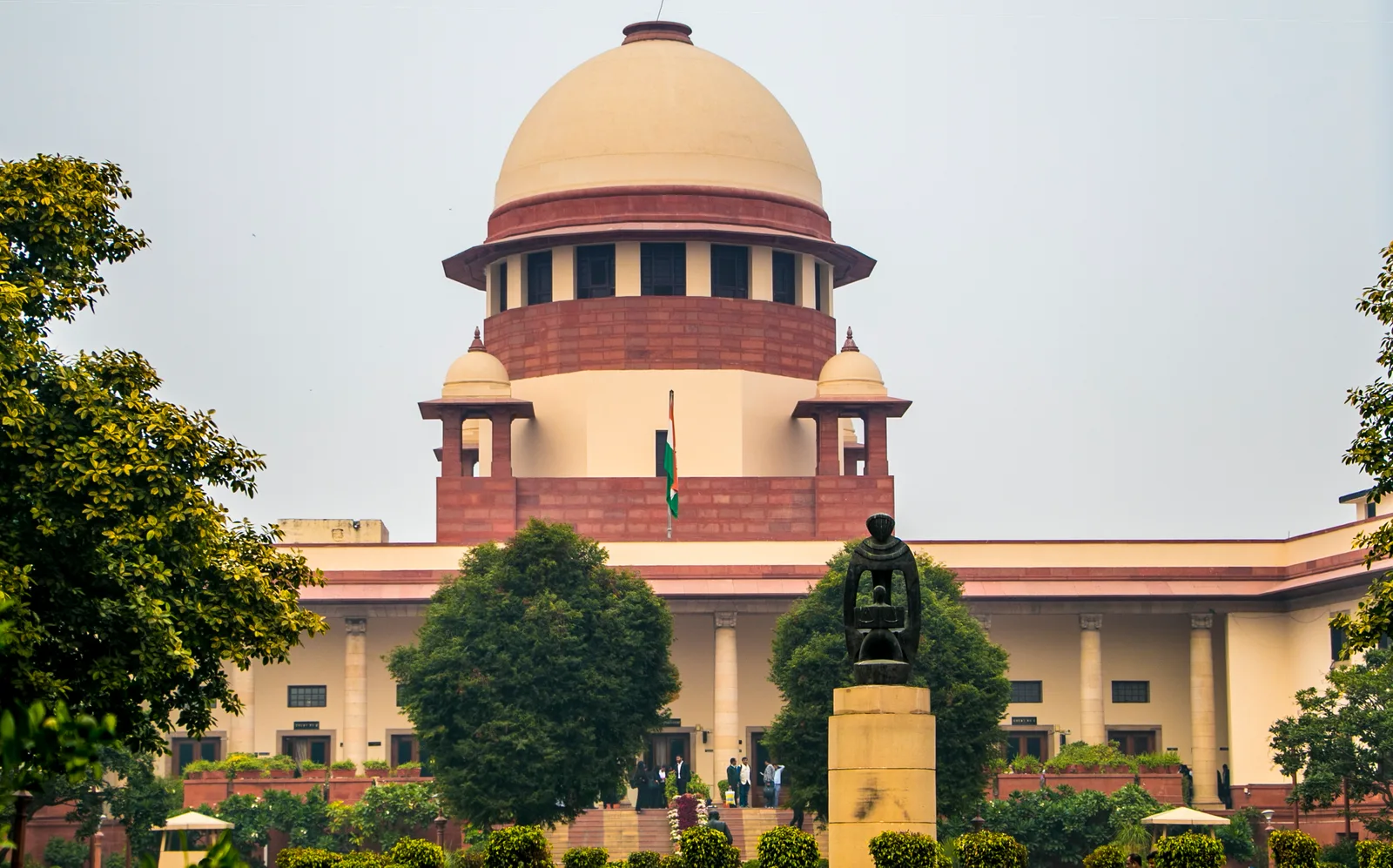 File photo
What happened
Key facts
- The legal challenge before the Supreme Court arose after the Madras High Court struck down Tamil Nadu’s Government Order Ms. No. 15 (per courtbook.in).
- Government Order Ms. No. 15 was issued on March 9, 2024 (per courtbook.in).
- After converting and changing his name, Sameer Ahamed applied for a community certificate identifying him as a member of the Muslim Lebbai community, and the Tahsildar rejected his application (per courtbook.in).
The brief
The Supreme Court has upheld a Madras High Court ruling that struck down Tamil Nadu’s Government Order Ms. No. 15, finding that conversion to Islam by itself does not entitle a person to claim backward-class reservation.
A bench of Justices Prashant Kumar Mishra and Shree Chandrashekhar delivered the decision, affirming the Madras court’s legal reasoning and rejecting the State’s challenge to the high court order. The dispute began with a petition by Sameer Ahamed, formerly named Paramasivam, who was born into a Hindu family in Tamil Nadu and converted to Islam in 2015.
After his conversion and name change, Ahamed applied for a community certificate asserting membership of the Muslim Lebbai community; the Tahsildar denied his application, and the matter ultimately reached the Madras High Court. The Madras court set aside Government Order Ms. No. 15, which had allowed converts to Islam to claim backward-class Muslim status.
The Supreme Court agreed with the Madras High Court’s analysis that a conversion from the Hindu social order to a non-Hindu social order does not permit a person to rely on pre-conversion social backwardness to claim benefits under Article 16(4) of the Constitution.
In its reasoning, the Supreme Court cited the Constitution (Scheduled Castes) Order, 1950, and pointed to Paragraph 3 of that Order, which recognises Scheduled Caste status only for persons professing Hinduism, Sikhism or Buddhism, subject to specified requirements. Government Order Ms. No. 15, the subject of the litigation, was issued on March 9, 2024.
The Supreme Court’s ruling therefore leaves in place the Madras High Court’s quashing of that notification and confirms the legal position articulated by the high court regarding conversion and entitlement to affirmative action benefits.
The case centres on how legal protections and affirmative-action categories interact with religious conversion, and the court’s judgment emphasises that pre-conversion social status alone cannot be the basis for claiming backward-class reservation after conversion.
The court’s reference to constitutional orders governing Scheduled Caste recognition framed its reasoning about the limits on extending reservation benefits based solely on an individual’s pre-conversion social condition. By affirming the Madras High Court’s decision, the Supreme Court resolved the state’s challenge to the strike-down of Government Order Ms. No.
15 and clarified that, under the reasoning adopted by the courts, conversion to Islam does not automatically confer backward-class reservation rights where the pre-conversion social order is the sole basis for the claim.
Why it matters
- Members of Tamil Nadu’s Muslim Lebbai community who seek backward-class reservation based solely on conversion and pre-conversion social status will not obtain those benefits under the struck-down Government Order Ms. No. 15, as affirmed by the Supreme Court.
- Individuals who convert from Hinduism to a non-Hindu religion and then apply for affirmative-action benefits face legal limits: the courts held that pre-conversion social backwardness alone does not qualify an applicant under Article 16(4), according to the Supreme Court’s citation of the Constitution (Scheduled Castes) Order, 1950.
- The Tamil Nadu government’s ability to issue notifications extending backward-class status to converts on the basis of pre-conversion social order is constrained by this judicial interpretation, as exemplified by the quashing of Government Order Ms. No. 15 dated March 9, 2024.
What to watch next
- Whether the Tamil Nadu government seeks to file a review petition or further legal challenge against the Supreme Court’s decision affirming the Madras High Court order.
- Whether petitioners who convert religions and are denied community certificates pursue separate administrative appeals against Tahsildar rejections similar to the application by Sameer Ahamed.
- Whether state authorities issue any new notification or policy that addresses eligibility for backward-class reservation in light of the Supreme Court’s citation of the Constitution (Scheduled Castes) Order, 1950.
How it's being covered
Coverage analysisShow details5 source articles · 5 unique outletsCoverage mix: Mixed· 3 Center · 2 RightWhere the outlets are based: Asia 80% · US/Canada 20%
- Coverage is currently concentrated among outlets based in Asia (4 of 5 geographically-identified sources).
How outlets' accounts compare
How we got here
The immediate backdrop was Tamil Nadu’s Government Order Ms. No. 15, which the state issued on March 9, 2024, and which prompted judicial review after administrative authorities applied it in individual community-certificate decisions.
The legal proceedings that triggered later appeals began when Sameer Ahamed, after converting to Islam and changing his name, applied for a community certificate identifying himself with the Lebbai community and had that application rejected by the Tahsildar (case filings and administrative records). The challenge to Ms. No.
Original sources
1 of 5 articles · US/Canada · Show allEvery story links to the reporting it was built from. How we choose sources
Spotted a factual error, a broken link or a misleading summary? Tell us.