
FBI and U.S. Postal Inspection Service probe letters with white powder sent to Capitol Hill and state election offices
The FBI and U.S. Postal Inspection Service are investigating letters containing suspicious white powder that were mailed to multiple Capitol Hill offices and to state election offices. Law enforcement intercepted some mailings, election offices in Louisiana and Oklahoma evacuated staff, and an Elections Division employee in Baton Rouge sought emergency-room care as a precaution after opening one envelope.
AI-assisted synthesis · Based on 6 outlets' reporting · Full text read from 4 of 6 outletsHow it's made
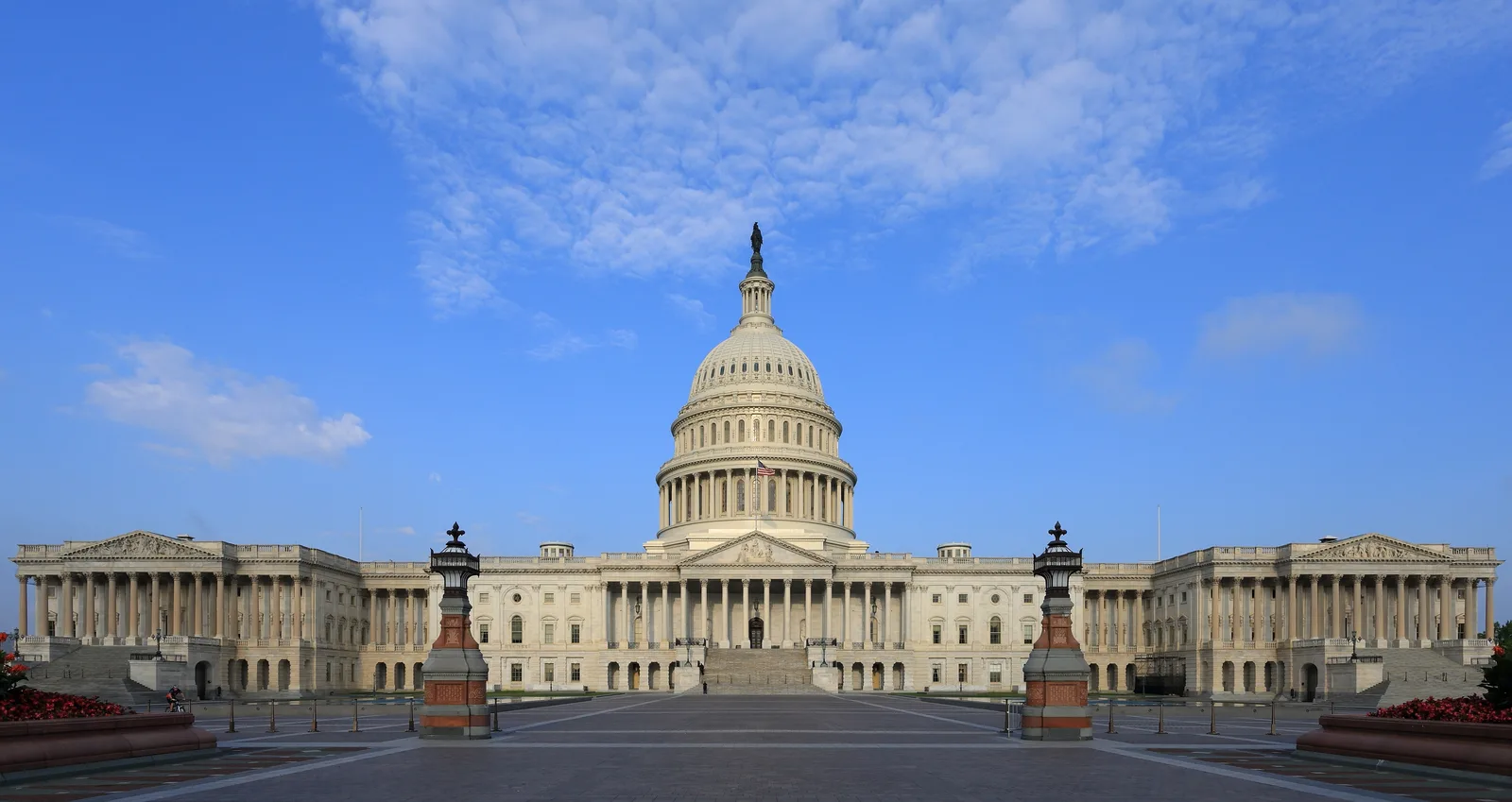 File photo
What happened
Key facts
- The FBI and U.S. Postal Inspection Service are investigating a series of suspicious mailings containing unknown substances sent to various addresses nationwide (per Washington Examiner, iheart.com).
- Letters containing suspicious substances or a suspicious white powder were mailed to multiple Capitol Hill offices and to addresses including state secretary of state and election offices (per Washington Examiner).
- Officials in Louisiana and Oklahoma discovered envelopes containing suspicious white powder on Tuesday (October 13) (per iheart.com).
- The Senate Sergeant at Arms said law enforcement officials are working to intercept additional letters before delivery, though some may still reach their intended destinations (per Washington Examiner).
The brief
Federal investigators are probing a string of letters that contained a suspicious white powder and were mailed to multiple congressional offices and to state election offices, authorities said. The FBI and the U.S.
Postal Inspection Service opened the inquiry after letters and packages with unknown substances were discovered at Capitol Hill addresses and at secretary of state and election offices in several states.
A memo obtained by Politico and cited in reporting said the Senate Sergeant at Arms warned staff that law enforcement was working to intercept additional letters, but that some mailings could still arrive at their intended destinations.
Election officials in Louisiana and Oklahoma discovered envelopes containing suspicious powder on Tuesday, October 13, and authorities intercepted a package addressed to Ohio Secretary of State Frank LaRose on Wednesday, October 14, according to reporting by multiple outlets.
In Baton Rouge, an Elections Division employee opened a package containing white powder around 12:20 p.m., authorities said; the employee was taken to the emergency room as a precaution and was uninjured, and NBC News reported that tests did not find evidence of harmful substances.
Offices evacuated or shut down their election divisions in response to the discoveries, and some buildings had air conditioning turned off as a precaution, according to state officials' statements. Ohio Secretary of State Frank LaRose thanked the U.S.
Postal Service for intercepting the package intended for his office and said investigators were handling similar mailings sent to election officials in multiple states.
National associations that represent secretaries of state and state election directors issued a joint statement saying threats against election officials and workers have no place in a democracy and urging vigilance.
Coverage from outlets in this reporting set differs in emphasis: local and state outlets provided the timeline and the account of the Baton Rouge employee seeking medical care, while the congressional-focused reporting highlighted the broader series reaching Capitol Hill offices and the memo from the Senate Sergeant at Arms about interception efforts.
Authorities including the Postal Inspection Service and the FBI are leading the investigation; officials have not publicly identified any suspects or motives in the mailings, and reporting to date cites law enforcement statements about the investigation rather than criminal charges or conclusions.
This week’s incidents follow earlier rounds of suspicious-mail events reported to have disrupted election operations in prior years, including reported powder-containing mailings in 2023 and 2024 that prompted evacuations and tests, a pattern noted by multiple outlets in their coverage.
Why it matters
- Election workers and staff at specific offices such as the Louisiana secretary of state’s Elections Division face direct safety and operational costs from evacuations and medical precaution visits (an Elections Division employee in Baton Rouge went to the emergency room after opening a package).
- State election offices bear concrete operational disruption when mailings prompt building closures or evacuations, which can interrupt preparations for upcoming elections (offices in Louisiana and Oklahoma evacuated and the Louisiana office closed an Elections Division temporarily).
- Federal law-enforcement resources are being allocated to investigate and intercept mailings nationwide, as the FBI and U.S. Postal Inspection Service lead the probe and the Senate Sergeant at Arms coordinates interception efforts for congressional offices.
What to watch next
- Whether the FBI and U.S. Postal Inspection Service identify a suspect or suspects and publicly announce charges or an attribution.
- Whether law enforcement intercepts additional letters before delivery, as the Senate Sergeant at Arms said they were attempting to do.
- Whether state election offices that discovered mailings, including Louisiana and Oklahoma, release further test results or official findings about the substances involved.
How it's being covered
Coverage analysisShow details6 source articles · 6 unique outletsCoverage mix: Mixed· 1 Left · 2 Center · 3 RightWhere the outlets are based: US/Canada 67% · Europe 17% · Other 16%
How outlets' accounts compare
1 framing difference · 3 uncorroborated claims · 4 information gaps- Washington Examiner and congressional-focused reporting emphasize the threat to Capitol Hill offices and the memo about interception efforts; 700wlw.iheart.com and ntd.com and NBC News emphasize state election offices and the local timeline, including the Baton Rouge employee's ER visit.
- Washington Examiner and 700wlw.iheart.com attribute the investigation to the FBI and the U.S. Postal Inspection Service; local outlets attribute the local responses and precautions to state secretary of state offices and their spokespeople.
- "Threats against election officials and workers have no place in our democracy," — joint statement from the National Association of Secretaries of State and the National Association of State Election Directors.
- The Senate Sergeant at Arms warned staff that law enforcement officials are working to intercept additional letters before delivery, according to a memo obtained by Politico and cited in reporting.
- No source in this set provides forensic details about the powders beyond NBC News reporting that tests found no evidence of harmful substances in the Louisiana mailing.
- No source names any suspect, describes a criminal charging decision, or provides law-enforcement evidence linking the incidents across states.
- No source presents broader postal-security protocols or whether mail-sorting facilities were involved in interception decisions.
- No report Updat3 read identifies a suspect, motive, or an official attribution for who sent the letters; authorities have not publicly linked the mailings to any actor according to these sources.
How we got here
The immediate backdrop is a sequence of high-profile mailed threats that prompted joint FBI–Postal Inspection Service investigations, most notably the October 2001 anthrax letters that targeted U.S. senators and media outlets and led to a prolonged FBI probe, and the October 2018 mailings of improvised explosive devices to public figures that prompted a rapid nationwide law-enforcement response.
Earlier, in April 2013 the FBI investigated mailed ricin addressed to President Barack Obama and other officials, and those cases established patterns of interagency forensic work and public‑safety protocols for suspicious postal items. Structurally, responsibility for investigating crimes involving the mail has long rested with the U.S.
Original sources
6 articles from 6 outletsEvery story links to the reporting it was built from. How we choose sources
Spotted a factual error, a broken link or a misleading summary? Tell us.