
Takaichi sets winter utility subsidies and monthly gasoline price changes
Prime Minister Sanae Takaichi said the government will restart electricity and gas subsidies in December and continue them through February. She said the measures are expected to reduce household bills by about ¥7,000 over three months, while gasoline subsidy reference prices will rise by ¥5 monthly from December.
AI-assisted synthesis · Based on 5 outlets' reporting · Article text read from 1 of 5 outletsHow it's made
View timeline · 6 entries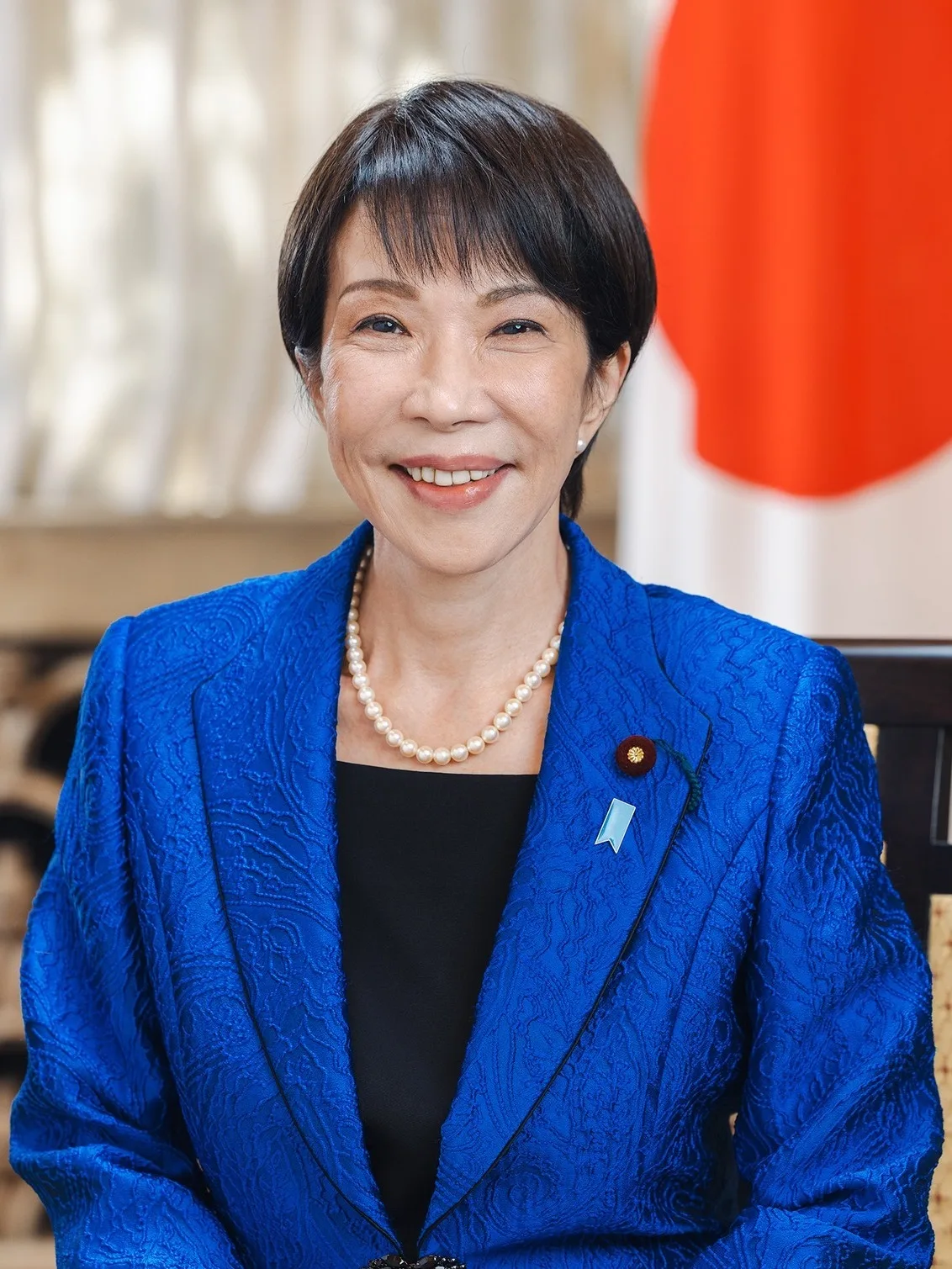 File photo
What happened
Key facts
- Sanae Takaichi said electricity and gas subsidies will run from December through February.
- The subsidies are expected to reduce household bills by about ¥7,000 over three months.
- Takaichi said the government will consider March support after assessing weather conditions and energy prices.
- The government has contributed ¥9.6 trillion to reserve funds for measures addressing the fallout from the Middle East situation, including about ¥1.4 trillion under the Takaichi administration.
- The government will provide ¥1 per kilowatt-hour in December and ¥4.5 in January and February.
The brief
Prime Minister Sanae Takaichi said her government will restart electricity and gas subsidies in December, maintaining them through February, as it seeks to ease household energy bills during the colder months. The Japan Times reported that Takaichi put the expected reduction in household costs at about ¥7,000 across the three-month period.
The government plans to provide ¥1 per kilowatt-hour in December, then ¥4.5 per kilowatt-hour in both January and February. Takaichi announced the measures on Thursday while speaking to reporters at the Prime Minister’s Office in Tokyo, according to The Japan Times. She described the support as part of efforts to address the rising cost of living.
Takaichi said the government has not yet decided whether to extend the utility assistance into March. She said officials would first assess weather conditions and energy prices. The Japan Times reported that she also pledged to monitor crude oil prices while weighing their effects on daily life and economic activity.
Alongside the utility support, the government plans to adjust its gasoline subsidy program. Takaichi said it would raise the reference price by ¥5 each month starting in December, a gradual reduction in the subsidy, according to The Japan Times. The headline from finance.biggo.com likewise says the government will cut gasoline subsidies by ¥5 per month from December.
The Japan Times reported that the government is currently spending more than ¥10 billion per day to suppress gasoline prices. The outlet also quoted Takaichi saying the government would closely monitor crude oil prices as it considers the consequences for households and economic activity.
Asahi.com’s headline characterizes the planned change as winding down costly gasoline subsidies from December. The government has allocated ¥9.6 trillion to reserve funds for measures addressing fallout from the Middle East situation, including about ¥1.4 trillion under the Takaichi administration, The Japan Times reported.
The article did not specify how much of those funds is assigned to the winter utility subsidies or the gasoline program. The immediate decisions ahead are the scheduled utility payments and monthly gasoline reference-price increases; the government’s March utility policy remains subject to its assessment of weather and energy prices.
Why it matters
- Households receiving electricity and gas support are expected, according to Takaichi, to save about ¥7,000 over three months.
- The utility subsidy rates vary by month: ¥1 per kilowatt-hour in December and ¥4.5 in January and February.
- Gasoline consumers face a planned monthly ¥5 increase in the subsidy reference price from December, while the government spends more than ¥10 billion daily to suppress prices.
- The government has allocated ¥9.6 trillion to reserve funds for measures addressing fallout from the Middle East situation, including about ¥1.4 trillion under Takaichi’s administration.
What to watch next
- Whether the government starts the electricity and gas subsidies in December at the stated ¥1-per-kilowatt-hour rate.
- Whether the government raises the gasoline subsidy reference price by ¥5 each month beginning in December.
- Whether the government extends utility subsidies into March after assessing weather conditions and energy prices.
How it's being covered
Coverage analysisShow details5 source articles · 5 unique outletsOutlet political mix: Mostly Center· 1 Left · 4 CenterWhere the outlets are based: Asia 60% · Global 20% · Other 20%
- Coverage is currently concentrated among Center-rated outlets (4 of 5 rated sources); comparatively few Right-rated outlets have published on the event.
2 sources are from a wire service (AP, Reuters, AFP or Bloomberg), whose reporting other outlets often republish.
How outlets' accounts compare
Timeline
Developments from this story's sources, dated background we compiled and fact-checked, and our earlier coverage. Each row says which.- The January 2022 fuel program began as global energy prices climbed during the recovery from the COVID-19 pandemic.Background · from our historical context
- After Russia launched its full-scale invasion of Ukraine on February 24, 2022, oil and gas prices rose further, and Japan expanded support.Background · from our historical context
- In October 2022, Prime Minister Fumio Kishida’s government adopted a comprehensive economic package that included assistance with electricity, gas and fuel costs.Background · from our historical context
- Electricity and gas bill subsidies took effect in January 2023, while gasoline assistance continued through payments to fuel distributors intended to restrain pump prices.Background · from our historical context
- The government announced electricity and gas bill support for August through October.Background · compiled and fact-checked by Updat3
- Sanae Takaichi became Japan’s prime minister.Background · compiled and fact-checked by Updat3
How we got here
The government applied that support to bills for August–October 2024, then ended the three-month measure; it had also been using fuel subsidies to hold down retail gasoline prices since January 2022. The January 2022 fuel program began as global energy prices climbed during the recovery from the COVID-19 pandemic.
After Russia launched its full-scale invasion of Ukraine on February 24, 2022, oil and gas prices rose further, and Japan expanded support. In October 2022, Prime Minister Fumio Kishida’s government adopted a comprehensive economic package that included assistance with electricity, gas and fuel costs.
Original sources
3 of 5 articles · Asia · Show allEvery story links to the reporting it was built from. How we choose sources
Spotted a factual error, a broken link or a misleading summary? Tell us.