
Talarico and Paxton have not agreed on terms for a debate
Texas Democrat Talarico has repeatedly challenged Republican Ken Paxton to debate, but the Senate candidates have not agreed on terms. Talarico appeared on CNN while Democrats used empty-podium events to press opponents to face voters.
AI-assisted synthesis · Based on 5 outlets' reporting · Full text read from 1 of 5 outletsHow it's made
View timeline · 7 entries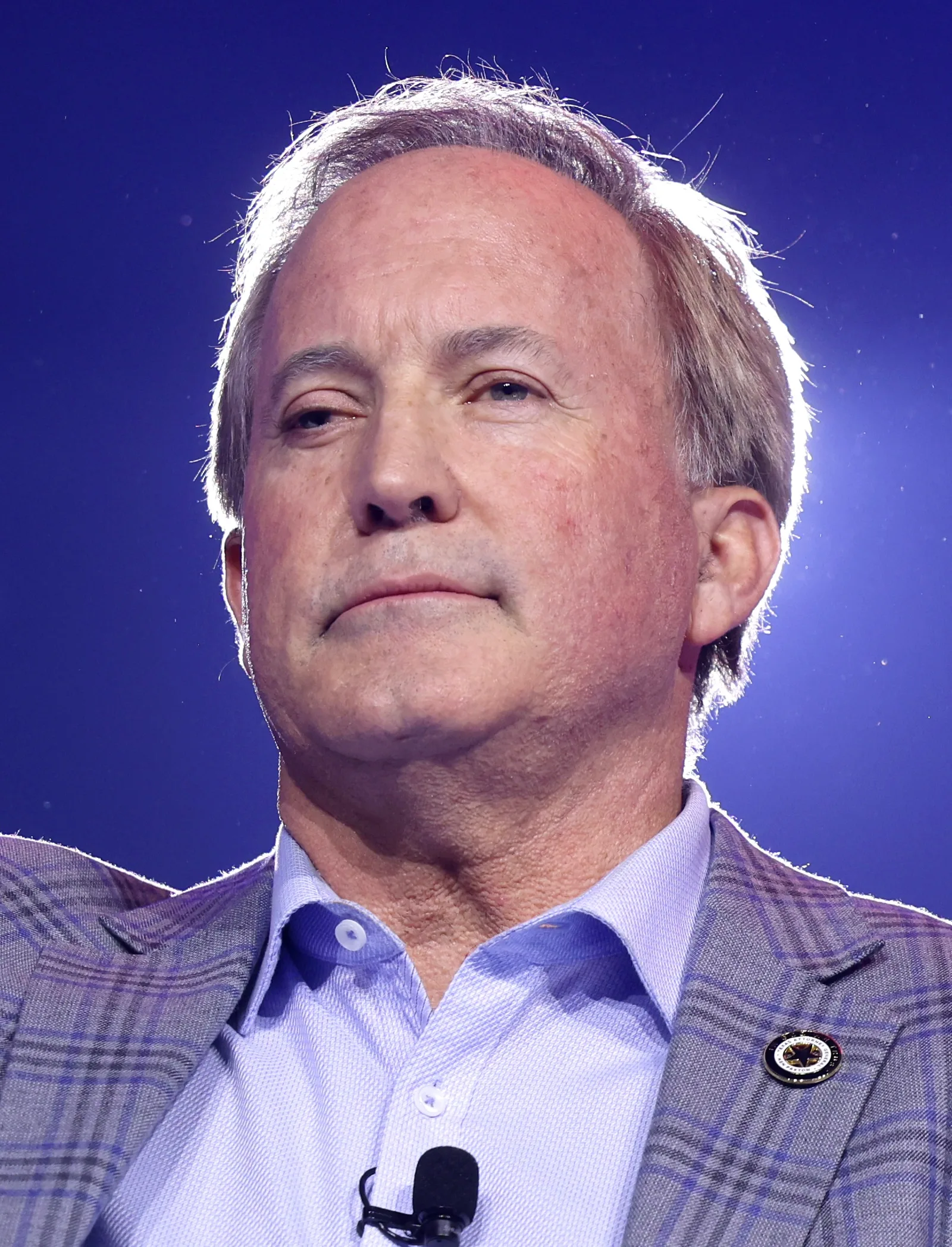 File photo
What happened
Key facts
- Jon Talarico and Ken Paxton are competing in a Texas Senate race (per Washington Examiner, The New York Times).
- Talarico has repeatedly challenged Paxton to debate, including on Fox News, but the candidates have not reached an agreement (per Washington Examiner).
- Paxton’s campaign said it was willing to debate but objected to proposed moderators (per Washington Examiner).
- Democrats have staged events with empty podiums to challenge Republican opponents to debate (per Washington Examiner).
- The Washington Examiner described the Texas Senate race as competitive and said most cited polls showed Talarico slightly ahead, often within the margin of error (per Washington Examiner).
- At a rally in San Marcos, Talarico said he wanted voters to see the contrast between the candidates (per Washington Examiner).
- Democratic nominee Jon Rosenthal announced plans for an Oct. 22 debate with Republican nominee Bo French, who had not publicly confirmed participation (per Washington Examiner).
- A debate scheduled for Oct. 14 between Rep. Vicente Gonzalez and Republican challenger Eric Flores was canceled after a disagreement over debate rules, according to Corpus Christi Cronica (per Washington Examiner).
The brief
Jon Talarico and Ken Paxton have not reached an agreement to debate in their Texas Senate race, despite repeated challenges from Talarico. The Washington Examiner reported that Talarico had pressed Paxton to debate, including during an appearance on Fox News. Paxton’s campaign said it was willing to take part but objected to proposed moderators.
The candidates’ positions leave the debate unarranged, with no agreement described in the account. The dispute is unfolding as Texas voters approach early voting, which the Washington Examiner said was set to begin Monday.
The outlet described the state as having competitive, high-profile and expensive contests in the 2026 midterm elections, while noting that candidates in several key races had yet to meet on a debate stage. Its account characterized the Senate contest as tight and said most cited polls placed Talarico slightly ahead, often within the margin of error.
Talarico made his case for a debate at a rally in San Marcos. He said voters should be able to see the contrast between the candidates. At a Talarico rally, 21-year-old Daniel Riley also told the Washington Examiner that voters deserved a debate. These statements reflect the case for holding one; the account does not report an agreed date or format for a Talarico-Paxton debate.
Democrats have also used empty-podium events to challenge Republican opponents to debate, the Washington Examiner reported. The outlet described these events as part of broader efforts to press candidates to face voters. It did not say that the events had secured Paxton’s participation or changed the status of negotiations between the Senate candidates.
Other Texas races illustrate that debate plans can remain uncertain or break down over rules. Democratic nominee Jon Rosenthal announced plans for an Oct. 22 debate with Republican nominee Bo French, who had not publicly confirmed whether he would participate. In Texas’s 34th Congressional District, a debate scheduled for Oct. 14 between Rep.
Vicente Gonzalez and Republican challenger Eric Flores was canceled after a disagreement over debate rules, according to Corpus Christi Cronica. For the Talarico-Paxton contest, the immediate outstanding issue is whether the campaigns can settle on terms, including moderators.
The Washington Examiner’s account gives Paxton’s campaign position and Talarico’s repeated calls for a debate, but reports no agreement. The next concrete development would be a decision by the campaigns to agree to debate terms or proceed without a scheduled debate.
Why it matters
- Texas voters are the affected population: the reported mechanism is that the candidates have not agreed to debate, leaving voters without a Talarico-Paxton debate on a stage.
- Talarico has repeatedly sought a debate, while Paxton’s campaign says it is willing but objects to proposed moderators; those positions make agreement on terms the documented point of contention.
- The Washington Examiner said most cited polls put Talarico slightly ahead, often within the margin of error, placing the debate dispute in a closely contested Senate race.
What to watch next
- Whether Talarico and Paxton’s campaigns agree on debate terms and proposed moderators.
- Whether Paxton’s campaign participates in a debate after saying it is willing to debate.
- Whether Jon Rosenthal’s planned Oct. 22 debate with Bo French proceeds, given that French had not publicly confirmed participation.
- Whether the canceled Oct. 14 debate between Vicente Gonzalez and Eric Flores is rescheduled after their disagreement over debate rules.
How it's being covered
Coverage analysisShow details5 source articles · 5 unique outletsCoverage mix: Mixed· 2 Left · 1 Center · 1 RightWhere the outlets are based: US/Canada 80% · Europe 20%
- Coverage is currently concentrated among outlets based in US/Canada (4 of 5 geographically-identified sources).
How outlets' accounts compare
Timeline
Developments from this story's sources, dated background we compiled and fact-checked, and our earlier coverage. Each row says which.- The Seventeenth Amendment, ratified on April 8, 1913, established direct election of U.S. senators, replacing selection by state legislatures.Background · from our historical context
- The League of Women Voters, founded in 1920, has organized candidate forums and debates as part of its voter-education work.Background · from our historical context
- On September 26, 1960, presidential candidates John F. Kennedy and Richard Nixon took part in the first televised U.S. presidential debate.Background · from our historical context
- In 1987, the Commission on Presidential Debates was established to organize general-election debates for presidential candidates, but it does not set rules for Texas Senate debates.Background · from our historical context
- Ken Paxton was elected Texas attorney general.Background · compiled and fact-checked by Updat3
- In 2018, Republican Sen. Ted Cruz and Democrat Beto O’Rourke held three debates during their Texas Senate race; their exchanges became a prominent example of the format in a closely watched Texas contest.Background · from our historical context
- In 2020, Republican Sen. John Cornyn and Democrat MJ Hegar also debated during their race for the same Senate seat.Background · from our historical context
How we got here
Texas Senate campaigns have used televised debates as a way to put opposing candidates before statewide audiences. In 2018, Republican Sen. Ted Cruz and Democrat Beto O’Rourke held three debates during their Texas Senate race; their exchanges became a prominent example of the format in a closely watched Texas contest. In 2020, Republican Sen.
John Cornyn and Democrat MJ Hegar also debated during their race for the same Senate seat. The Senate seat at issue is filled through a statewide popular election. The Seventeenth Amendment, ratified on April 8, 1913, established direct election of U.S. senators, replacing selection by state legislatures.
Original sources
4 of 5 articles · US/Canada · Show allEvery story links to the reporting it was built from. How we choose sources
Spotted a factual error, a broken link or a misleading summary? Tell us.