
Tens of thousands march in Tel Aviv before elections
Tens of thousands of demonstrators marched in Tel Aviv on the eve of pivotal elections. The march took place before the vote; the report does not state the demonstrators’ demands or the election outcome.
AI-assisted synthesis · Based on 5 outlets' reporting · Article text read from 1 of 5 outletsHow it's made
View timeline · 7 entries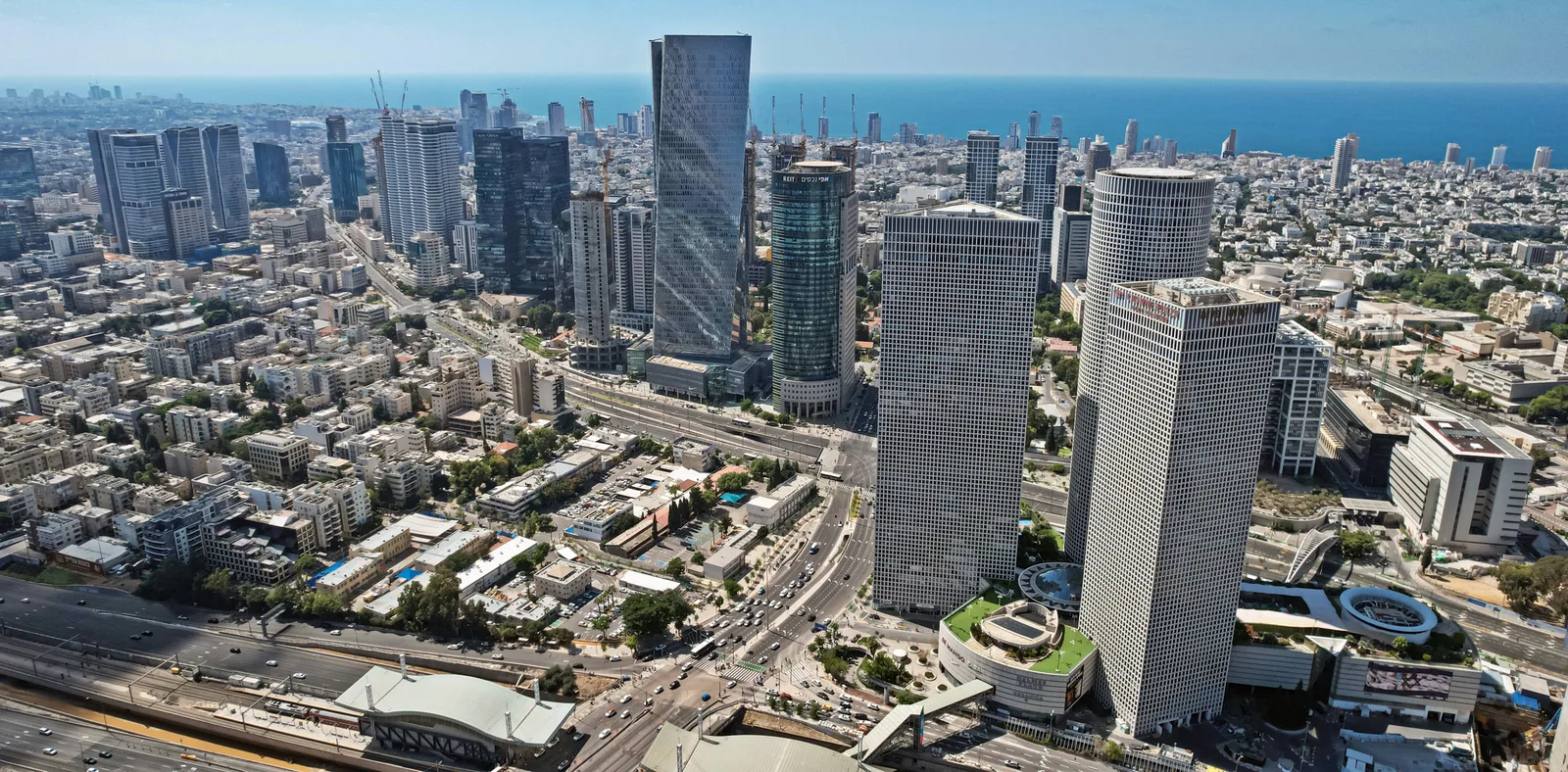 File photo
What happened
The brief
Tens of thousands of Israelis marched in Tel Aviv before pivotal elections, according to The Sydney Morning Herald. The outlet placed the march on the eve of the vote, making its timing the central detail in its account of the demonstration. The Sydney Morning Herald describes the participants as Israelis and gives the crowd size as tens of thousands.
Its report identifies Tel Aviv as the location and characterizes the approaching elections as pivotal. Those details establish the reported scale, setting and proximity to the vote. Other headlines add different descriptions of the gathering. TRT Afrika says thousands of Israelis filled Tel Aviv streets to demand an end to the Netanyahu era.
Anadolu Ajansı characterizes those gathered as opponents of Netanyahu and also places them in Tel Aviv ahead of the election. These headlines connect the demonstration to opposition to Netanyahu, while The Sydney Morning Herald’s account does not state a political demand. The Farsnews headline calls the event an anti-regime rally and describes the election as tight.
The Globe and Mail headline focuses on a separate election-related detail: tens of thousands of Israelis abroad flying home to vote in a pivotal election. These are the claims and emphases in those headlines; they do not add further detail about the march described by The Sydney Morning Herald.
The accounts therefore attach varying political language to the event: one headline specifies opposition to Netanyahu, another uses “anti-regime,” and The Sydney Morning Herald describes a march without stating its purpose. The election is called pivotal by The Sydney Morning Herald and The Globe and Mail, while Farsnews calls it tight.
The Sydney Morning Herald’s account establishes that a large march took place in Tel Aviv immediately before the election. It does not report the demonstrators’ demands or an election result. The immediate next point in the event’s chronology is the vote, but the sources do not state its outcome.
Why it matters
- The march signals strong public mobilization ahead of a pivotal vote, putting pressure on candidates to address voters’ priorities and potentially affecting turnout. The election’s result will determine who leads Israel and shapes the policies that residents, including communities divided over the country’s direction, will live under.
What to watch next
- In the hours after polls close, watch for election authorities’ turnout figures and the release of vote counts.
- Over the next few days, track whether party leaders publicly accept the count, challenge it, or begin talks with other parties.
- Watch for official statements on whether the large turnout—including Israelis who returned from abroad to vote—affected participation figures.
How it's being covered
Coverage analysisShow details5 source articles · 5 unique outletsOutlet political mix: Center Only· 3 Center · 2 unratedWhere the outlets are based: Middle East 40% · US/Canada 20% · Other 40%
- Coverage is currently concentrated among Center-rated outlets (3 of 3 rated sources); comparatively few Left or Right-rated outlets have published on the event.
How outlets' accounts compare
Timeline
Developments from this story's sources, dated background we compiled and fact-checked, and our earlier coverage. Each row says which.- Israel captured the West Bank, East Jerusalem and Gaza Strip from Jordan and Egypt during the June 1967 Six-Day War.Background · from our historical context
- The second Palestinian intifada, which began in 2000, brought years of deadly attacks and Israeli military operations, further weakening public confidence in negotiations.Background · from our historical context
- Large social-justice demonstrations took place in Israel over living costs.Background · compiled and fact-checked by Updat3
- In 2014, US-sponsored talks between Israeli and Palestinian representatives collapsed amid disputes over settlement activity, prisoner releases and Palestinian reconciliation efforts.Background · from our historical context
- The Knesset raised the electoral threshold from 2 per cent to 3.25 per cent.Background · compiled and fact-checked by Updat3
- The Knesset voted to dissolve itself and hold an early election after Netanyahu's coalition broke apart.Background · compiled and fact-checked by Updat3
- The vote was scheduled for 17 March 2015, after Prime Minister Benjamin Netanyahu’s governing coalition broke apart less than two years into its term.Background · from our historical context
How we got here
The vote was scheduled for 17 March 2015, after Prime Minister Benjamin Netanyahu’s governing coalition broke apart less than two years into its term.
In December 2014, Netanyahu dismissed Finance Minister Yair Lapid and Justice Minister Tzipi Livni, whose parties had clashed with him and with one another over budget policy and legislation concerning Israel’s identity as a Jewish state.
Original sources
5 articles from 5 outletsEvery story links to the reporting it was built from. How we choose sources
Spotted a factual error, a broken link or a misleading summary? Tell us.