
EU countries drop Canada’s proposed associate-member status from summit draft
EU countries removed proposed associate-member status for Canada from a draft EU-Canada summit statement, according to Politico Europe. The draft instead uses language promising “ever closer association,” and Canadian Prime Minister Mark Carney said the specific name was not important.
AI-assisted synthesis · Based on 5 outlets' reporting · Article text read from 1 of 5 outletsHow it's made
View timeline · 9 entries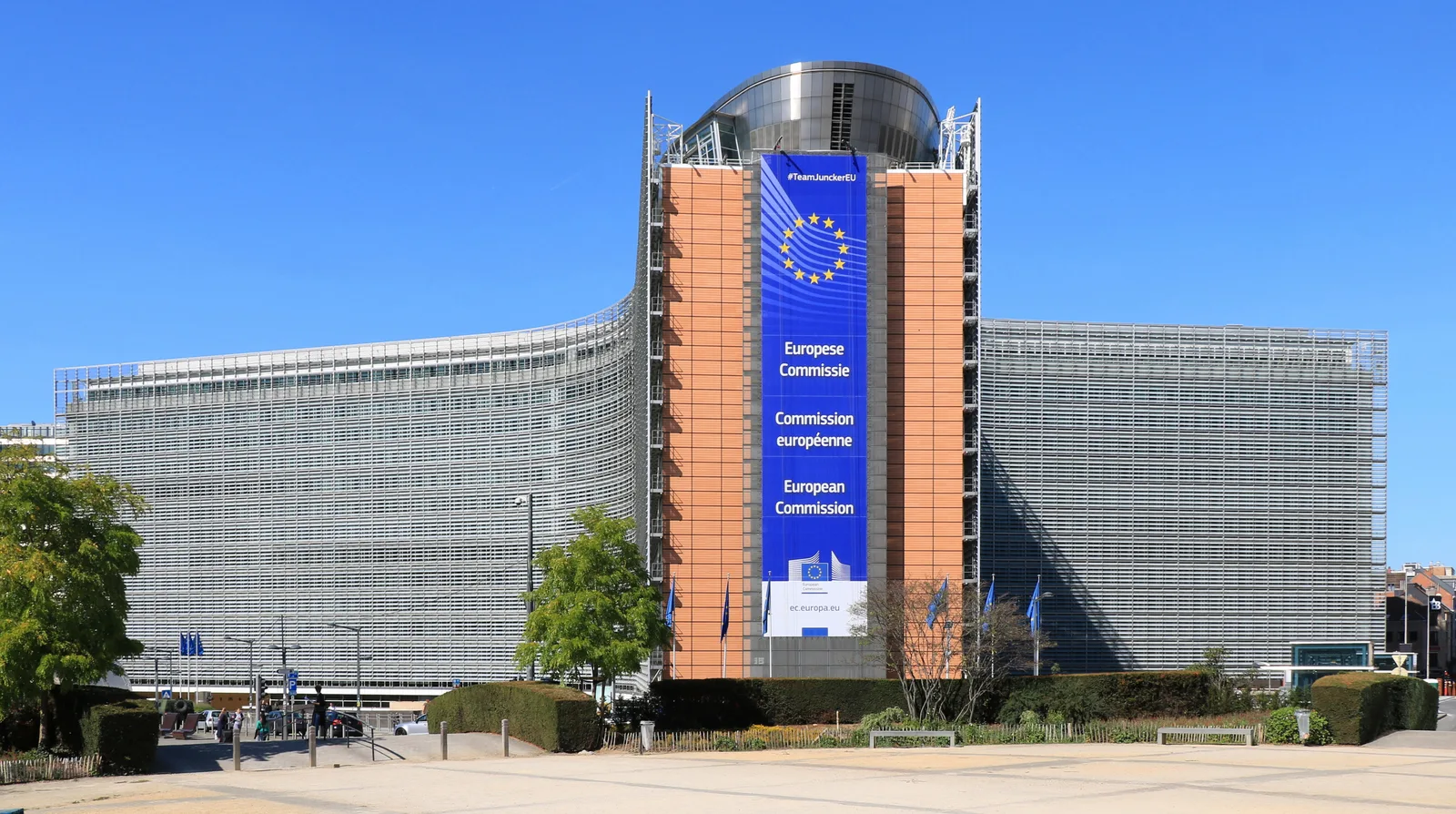 File photo
What happened
The brief
EU countries removed proposed associate-member status for Canada from a draft statement for an upcoming EU-Canada summit, according to Politico Europe. The latest version instead promises “ever closer association,” changing the language used to describe a closer relationship between Canada and the 27-member bloc. The draft had not received final approval, the outlet reported.
Germany, Greece and France were among the countries objecting to a reference to associate membership in the joint statement. Politico Europe reported that EU countries had until 6 p.m. to raise objections. It did not identify additional countries that objected or detail their reasons.
An earlier version of the draft said the EU and Canada would work toward defining the concept of associate membership by the 2027 EU-Canada Summit. That proposed wording described the arrangement as an even closer association and connected it to shared goals of prosperity, economic security and strategic autonomy.
The latest version replaces that specific proposal with the broader phrase “ever closer association,” according to Politico Europe. Canadian Prime Minister Mark Carney addressed the terminology on Tuesday. “The good news is it doesn’t matter about specific names or nomenclature,” he said, as quoted by Politico Europe.
His comment focused on what the relationship is called; the outlet did not report him setting out a different formal proposal. The change concerns the wording of a draft joint statement, not a final decision on associate-member status. The text still required approval, and the stated deadline for EU countries to raise objections was 6 p.m.
Politico Europe reported no final outcome of that process. Fortune’s headline characterizes the proposal as emerging while economic pressure from the United States looms, but does not provide further details in its headline. The BBC headline poses a question about what associate-member status could mean for Canada; it does not itself supply an answer.
The key next procedural issue is whether EU countries approve the summit statement and retain its revised language.
Why it matters
- The immediate mechanism at issue is the wording of a joint EU-Canada summit statement: the latest draft substitutes “ever closer association” for the specific associate-member proposal.
- The earlier draft connected the proposed arrangement to shared goals of prosperity, economic security and strategic autonomy, making those stated aims part of the debate over the wording.
- Germany, Greece and France objected to mentioning associate membership, while Carney said the terminology itself was not important.
What to watch next
- Whether EU countries raise further objections by the stated 6 p.m. deadline.
- Whether the joint EU-Canada statement receives final approval.
- Whether the approved statement retains “ever closer association” language.
How it's being covered
Coverage analysisShow details5 source articles · 5 unique outletsOutlet political mix: Center Only· 4 Center · 1 unratedWhere the outlets are based: Europe 40% · US/Canada 20% · Other 40%
- Coverage is currently concentrated among Center-rated outlets (4 of 4 rated sources); comparatively few Left or Right-rated outlets have published on the event.
One source is from a wire service (AP, Reuters, AFP or Bloomberg), whose reporting other outlets often republish.
How outlets' accounts compare
Timeline
Developments from this story's sources, dated background we compiled and fact-checked, and our earlier coverage. Each row says which.- Canada’s defence links with Europe also run through NATO, founded by the North Atlantic Treaty on 4 April 1949.Background · from our historical context
- Canada established diplomatic relations with the European Economic Community, becoming its first partner outside Europe.Background · compiled and fact-checked by Updat3
- Canada and the European Economic Community signed a Framework Agreement for Commercial and Economic Cooperation.Background · compiled and fact-checked by Updat3
- The EU and Canada signed the Strategic Partnership Agreement and the Comprehensive Economic and Trade Agreement.Background · compiled and fact-checked by Updat3
- The EU-Canada Comprehensive Economic and Trade Agreement began provisional application.Background · compiled and fact-checked by Updat3
- The Council of the EU approved Canada’s participation in the PESCO Military Mobility project, the first PESCO project joined by a non-EU country.Background · compiled and fact-checked by Updat3
- The closest institutional precedent for Canada seeking a formal place in European defence cooperation was the EU–Canada Security and Defence Partnership, signed on 24 June 2024.Background · from our historical context
- Mark Carney was sworn in as Canada’s prime minister.Background · compiled and fact-checked by Updat3
- The EU and Canada signed a Security and Defence Partnership at their summit in Brussels.Background · compiled and fact-checked by Updat3
How we got here
The closest institutional precedent for Canada seeking a formal place in European defence cooperation was the EU–Canada Security and Defence Partnership, signed on 24 June 2024.
Earlier, on 6 December 2021, Canada became the first non-European country to join a Permanent Structured Cooperation project, the EU’s Military Mobility initiative, which aims to make it easier to move forces and equipment across Europe.
Original sources
5 articles from 5 outletsEvery story links to the reporting it was built from. How we choose sources
Spotted a factual error, a broken link or a misleading summary? Tell us.