
Netanyahu disputes Obama’s claim that Israel took land during its founding
After Barack Obama said Israel “took land off people” during its founding, Prime Minister Benjamin Netanyahu issued a video rejecting that characterization. Netanyahu said Jews are not foreign occupiers and described Israel’s history as non-colonial.
AI-assisted synthesis · Based on 4 independent reports from 5 outlets · Full text read from 1 of 4 reportsHow it's made
View timeline · 2 entries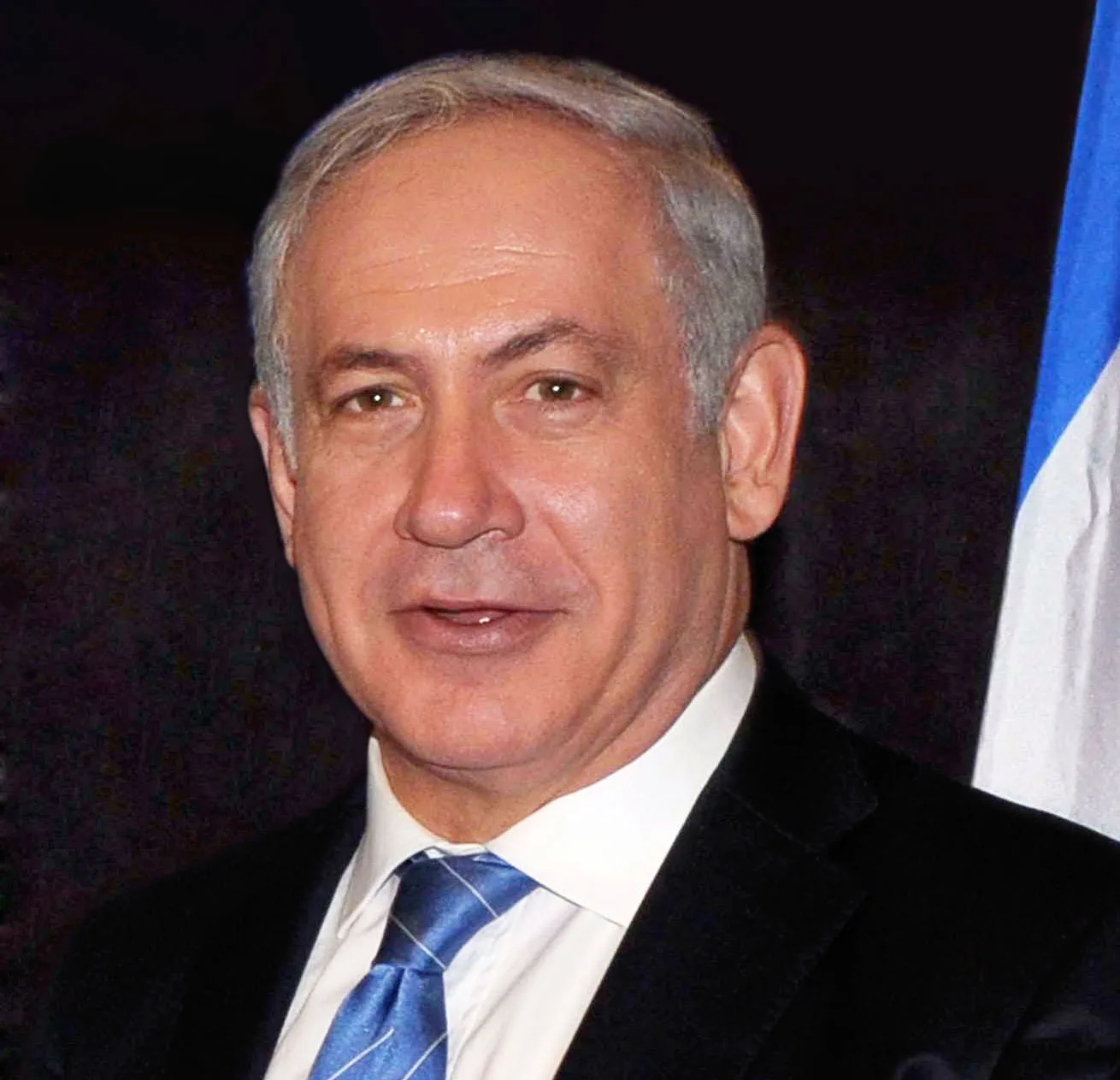 File photo
What happened
Key facts
- Barack Obama said Israel took land from people during its founding.
- Obama said Israeli positions had hardened since October 7 and called for a pause before discussion of a long-term solution.
- Benjamin Netanyahu responded with an English-language video posted to his X account.
- Netanyahu said the Jewish people were not foreign occupiers and described the land as their homeland.
The brief
Prime Minister Benjamin Netanyahu issued a video rebuttal after Barack Obama said Israel “took land off people” during its founding. In its account, Belaaz reported that Netanyahu rejected the description, saying Jewish people are not foreign occupiers in the land of their forefathers and that Jewish history is not a colonial enterprise. Obama made his remarks in Northern Ireland while receiving an honorary doctorate from Queen’s University Belfast, Belaaz reported. Asked about the Israeli-Palestinian conflict, Obama said the violence should pain everyone. He also argued that Israeli positions had hardened since October 7 and called for a genuine pause before discussion of a long-term solution. Netanyahu offered a different account of what obstructs a settlement. He said Israel’s enemies reject the existence of a Jewish state within any borders. He connected that position to chants of “Death to Israel” and “Death to America,” and said those opponents refer to Israel as the “Little Satan” and the United States as the “Great Satan.”
Netanyahu also presented Israel as defending values shared with the United States. That claim and his account of the opposition to a Jewish state were part of his rebuttal; Belaaz’s article does not provide a response from the people or groups Netanyahu described as Israel’s enemies. The remarks place two competing arguments in focus: Obama’s claim about land taken during Israel’s founding, and Netanyahu’s assertion that Jewish people have a historical connection to the land and are not foreign occupiers. The article does not detail the land claim or identify specific territory, and it provides no further exchange between the two men. The Times of Israel’s headline also quotes Netanyahu as saying, “This is our homeland,” and that Israel would not gamble with its survival. Yahoo and The Jerusalem Post use the same “This is our homeland” wording in their headlines, while waradana.com characterizes Obama’s remarks as criticism of Israeli policies and quotes Netanyahu saying the land is not stolen. Those headlines establish the outlets’ framing, but do not add details about the video or the setting of Obama’s remarks. The immediate next point raised in Belaaz’s account is whether a pause can precede discussion of a long-term solution, as Obama argued. Netanyahu’s stated position instead centers on Israel’s claim to the land and his contention that Israel’s enemies reject a Jewish state in any borders. The article records these positions but does not say that either man announced a follow-up meeting or decision.
Why it matters
- The dispute concerns Palestinian land and Israel’s founding, but the account gives no specific territory or measure of land at issue.
- Obama said Israeli-Palestinian violence should pain everyone and called for a pause before long-term-solution discussions; Netanyahu said Israel’s enemies reject a Jewish state within any borders.
- Netanyahu linked his argument to chants against Israel and the United States, while also presenting Israel as defending values shared with the United States.
What to watch next
- Whether Obama’s call for a genuine pause is followed by any stated proposal or action.
- Whether Netanyahu elaborates on his claim that Israel’s enemies reject a Jewish state within any borders.
- Whether either man makes a further public statement about the land claim or the possibility of discussing a long-term solution.
How it's being covered
Coverage analysisShow details5 source articles · 5 unique outlets · 4 distinct reportsCoverage mix: Mostly Center· 2 Center · 1 RightWhere the outlets are based: Middle East 40% · US/Canada 20% · Other 40%
How outlets' accounts compare
Timeline
Developments from this story's sources, dated background we compiled and fact-checked, and our earlier coverage. Each row says which.- Prime Minister Benjamin Netanyahu publicly rejected that formulation during his May 2011 address to the U.S. Congress.Background · from our historical context
- Netanyahu released a video rebuttal on Friday.
How we got here
The October 7, 2023 Hamas-led attack on Israel, in which about 1,200 people were killed and roughly 250 were taken hostage, preceded the Gaza war that formed the immediate backdrop to later arguments over Palestinian land and Israeli security.
In the period before October 7, Barack Obama had argued for a two-state settlement, and his 2011 speech on the Israeli-Palestinian conflict called for negotiations based on the 1967 lines, with agreed land swaps. Prime Minister Benjamin Netanyahu publicly rejected that formulation during his May 2011 address to the U.S. Congress.
Original sources
1 of 5 articles · US/Canada · Show allEvery story links to the reporting it was built from. How we choose sources
Spotted a factual error, a broken link or a misleading summary? Tell us.