
Three workers seriously injured in suspected gas-cylinder explosion at Intel plant, report says
Three workers were seriously injured in an explosion at Intel’s Kiryat Gat semiconductor factory, Israeli media said. Israeli authorities said the blast was suspected to have been caused by the detonation of a gas cylinder and hazardous chemicals may have leaked, the report added.
AI-assisted synthesis · Based on 4 outlets' reporting · Full text read from 1 of 4 outletsHow it's made
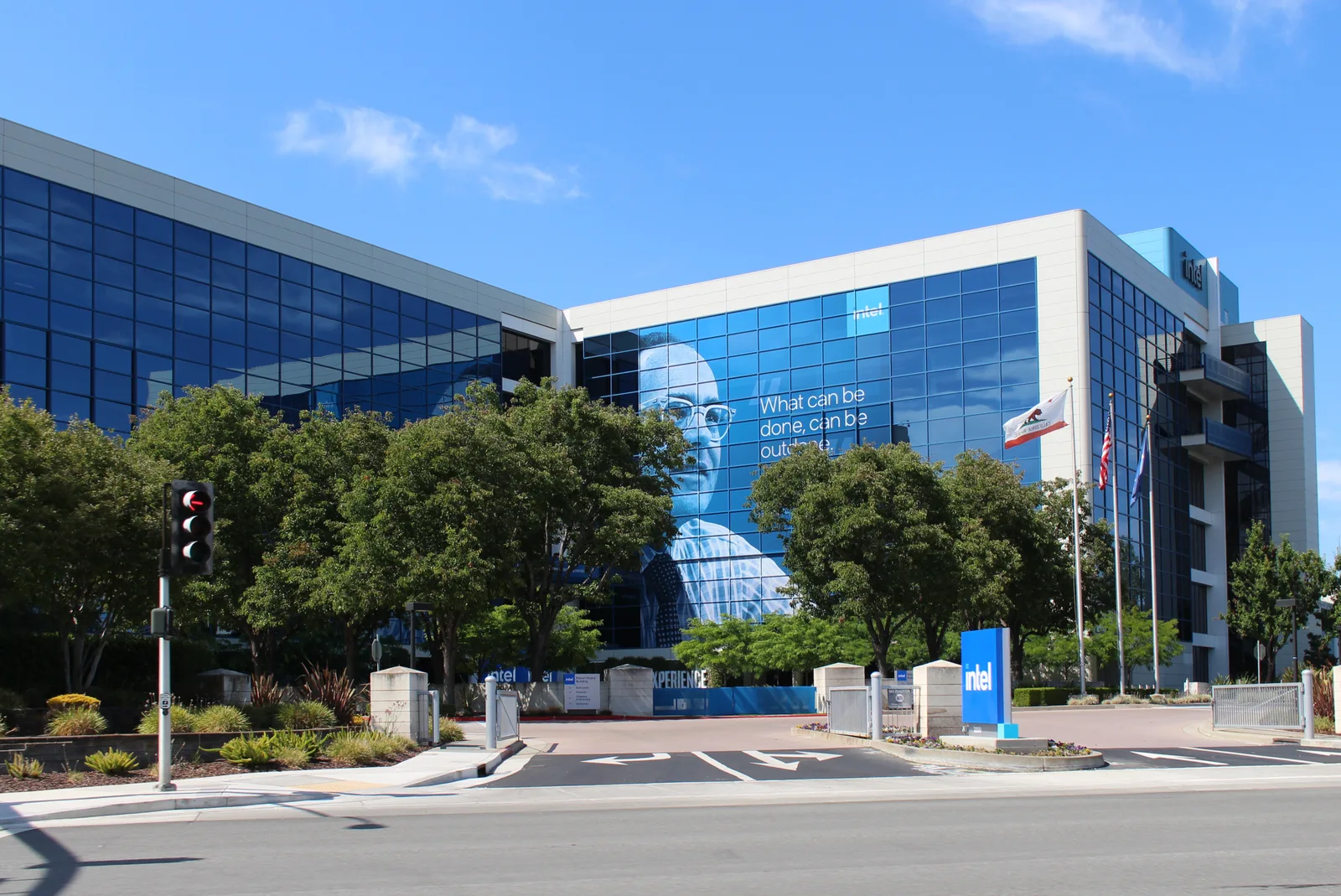 File photo
What happened
Key facts
- Israeli police said the explosion was suspected to have been caused by the detonation of a gas cylinder (per aa.com.tr, The Jerusalem Post).
- Israel's Fire and Rescue Authority reported that hazardous chemicals may have leaked as a result of the explosion (per aa.com.tr).
- The cause of the explosion had not been confirmed, according to the report (per aa.com.tr).
The brief
An explosion at Intel’s semiconductor plant in Kiryat Gat seriously injured three workers, Israeli media reported. The Jerusalem Post, citing Magen David Adom, said three people sustained serious injuries in the blast at the southern Israeli facility.
Israeli police told reporters the explosion was suspected to have been caused by the detonation of a gas cylinder, according to The Jerusalem Post. Israel’s Fire and Rescue Authority said hazardous chemicals may have leaked after the blast, and that specialised teams were deployed to find the chemical source and to extinguish the fire that followed.
Ynet reported that nitrogen trifluoride, a gas used in semiconductor manufacturing, was involved in the incident and that hazardous-materials teams carried out monitoring and risk assessments. The Fire and Rescue Authority later said firefighters had brought the source of the blaze under control, according to Ynet.
Intel’s Kiryat Gat facility manufactures semiconductor chips, the reports noted. The available accounts state that the cause of the explosion remained unconfirmed at the time of reporting, and that authorities were treating a gas-cylinder detonation as the suspected trigger.
Emergency services on site included Magen David Adom, local police and Fire and Rescue Authority crews, who performed firefighting and hazardous-material containment work. The reports emphasise the involvement of specialised hazardous-materials teams because of the possible leak of industrial chemicals used in chip fabrication.
Officials have not issued a final determination of cause or released an official casualty update beyond the three people described as seriously injured. Media reports cited above present the incident as an acute industrial accident under investigation, with emergency teams securing the scene and monitoring for chemical hazards.
Why it matters
- Three named workers at Intel’s Kiryat Gat factory suffered serious injuries, imposing immediate human and operational costs on the facility and those employees.
- Hazardous chemicals relevant to semiconductor manufacturing, specifically nitrogen trifluoride as reported by Ynet, were involved, creating a localized public-safety hazard that required specialised hazardous-materials teams to monitor and assess risk.
- Emergency services including Magen David Adom and Israel’s Fire and Rescue Authority were directly engaged in firefighting, chemical-source location and containment, indicating an operational mobilisation and potential short-term disruption at the plant.
What to watch next
- Whether Israeli authorities publish a confirmed cause of the explosion and the official investigation findings.
- Whether Intel or Israeli emergency services release an updated casualty count or medical condition reports for the three injured workers.
- Whether the Fire and Rescue Authority reports results of hazardous-materials monitoring, specifically any confirmation about nitrogen trifluoride exposure or contamination.
How it's being covered
Coverage analysisShow details4 source articles · 4 unique outletsCoverage mix: Mostly Center· 2 Center · 1 RightWhere the outlets are based: Middle East 100%
- Coverage is currently concentrated among outlets based in Middle East (4 of 4 geographically-identified sources).
How outlets' accounts compare
How we got here
Israeli emergency-response agencies have prior operational relationships with high-tech plants: the Israel Fire and Rescue Authority established a nationwide modernization and hazmat coordination unit in 2017, and the authority’s public communications and drill programs since then have included exercises with major industrial and semiconductor sites.
In 2016 and 2018 the Ministry of Economy and Industry issued sector-specific guidance for chemical-hazard management in industrial facilities, citing the presence of compressed gas cylinders and other hazardous process gases in manufacturing operations.
Original sources
4 articles from 4 outletsEvery story links to the reporting it was built from. How we choose sources
Spotted a factual error, a broken link or a misleading summary? Tell us.