
Tokyo core inflation eases to 2.6% ahead of Bank of Japan decision
Tokyo’s consumer prices excluding fresh food rose 2.6% year over year in October, down from 2.7% in September, according to the Ministry of Internal Affairs and Communications. Overall inflation was 2.8%, while the Bank of Japan’s board was expected to keep policy settings steady.
AI-assisted synthesis · Based on 3 independent reports from 5 outlets · Article text read from 1 of 3 reportsHow it's made
View timeline · 9 entries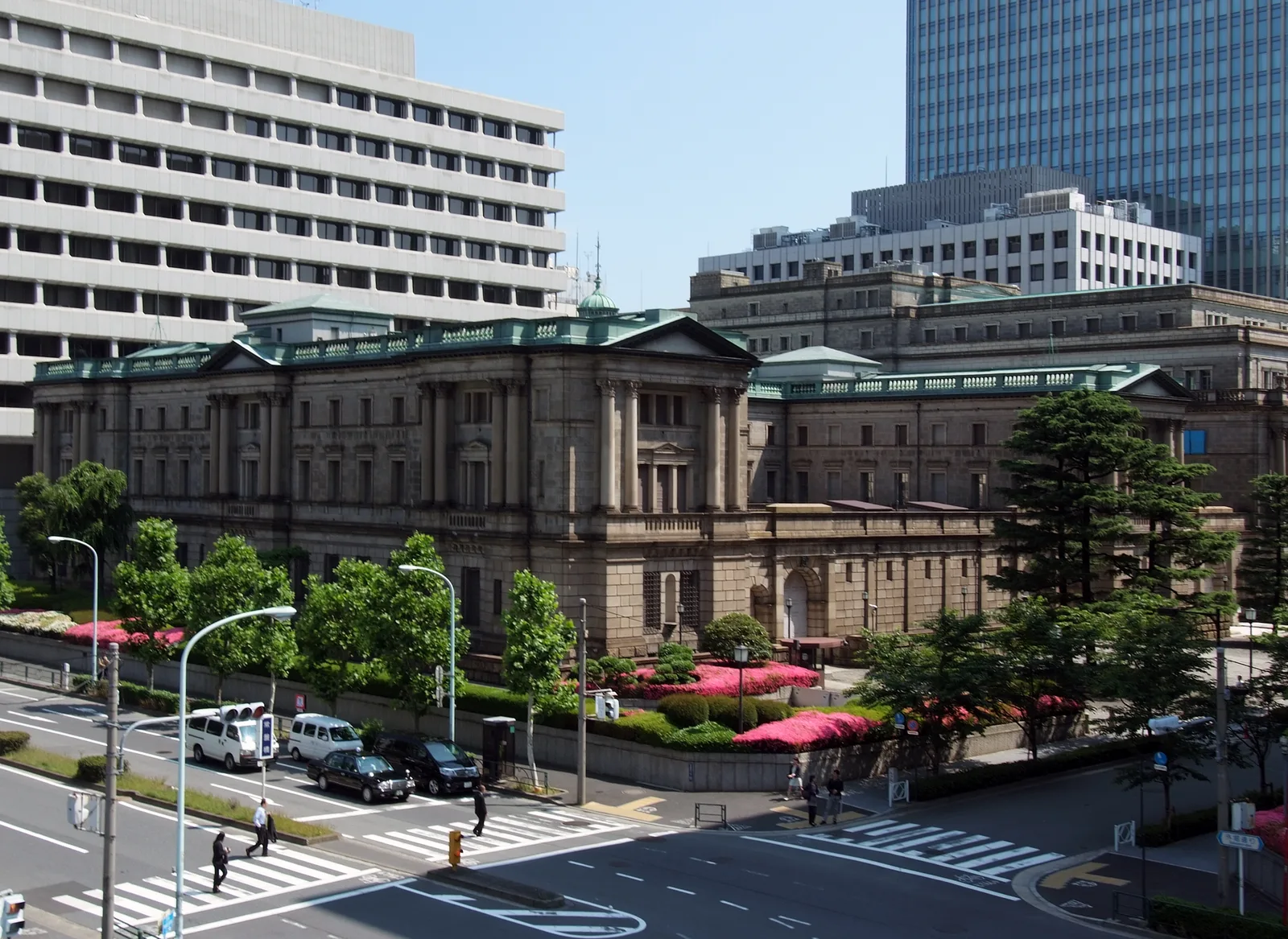 File photo
What happened
Key facts
- Tokyo consumer prices excluding fresh food rose 2.6% year over year in October, down from 2.7% in September (per The Japan Times).
- Overall inflation in Tokyo was 2.8% in October (per The Japan Times).
- Tokyo prices excluding fresh food and energy rose 2.6% in October (per The Japan Times).
- Economists had forecast a 2.7% increase for prices excluding fresh food and energy (per The Japan Times).
- Tokyo core inflation was above the Bank of Japan’s 2% target in October (per The Japan Times).
- The Bank of Japan’s board was expected to keep policy settings steady (per The Japan Times).
- The Ministry of Internal Affairs and Communications reported Tokyo’s October consumer-price figures (per The Japan Times).
The brief
Tokyo’s core consumer inflation slowed in October but remained above the Bank of Japan’s 2% target, with the central bank’s board expected to keep policy settings steady. The Ministry of Internal Affairs and Communications reported that prices in the capital, excluding fresh food, rose 2.6% from a year earlier, compared with a 2.7% annual increase in September.
The measure tracks consumer prices without fresh food. Its October pace was therefore lower than the previous month’s, but still exceeded the target set by the Bank of Japan. The figures concern Tokyo, rather than a nationwide inflation reading. Overall inflation in the capital reached 2.8% in October. A separate measure that excludes both fresh food and energy also rose 2.6%.
Economists had forecast a 2.7% increase for that measure, according to The Japan Times. The Ministry of Internal Affairs and Communications reported the figures Friday, according to The Japan Times. The report placed the data just hours before the Bank of Japan’s board was expected to hold its policy settings steady.
That was an expectation about the board’s upcoming decision, not a reported decision already made. The Japan Times described Tokyo’s inflation pace as remaining well above the central bank’s target.
Its account also said the Tokyo data serve as a leading indicator of nationwide trends, while cautioning that local measures to cap living costs can sometimes distort the relationship. The report did not quantify the effect of those measures or specify how they affected October’s figures.
The October reading’s position above the 2% target is also reflected in headlines from BusinessToday Malaysia, Bloomberg, CNA and the Modesto Bee. Those headlines characterize Tokyo core inflation as above the target; they do not add further figures or detail about the inflation measures.
The immediate policy event identified in the report was the Bank of Japan board’s expected decision to leave policy settings unchanged. The account gives no decision outcome, so the expected hold remains distinct from a confirmed board action.
The inflation figures and the policy expectation were reported in close succession, with Tokyo’s core reading easing from September while staying above the target.
Why it matters
- Tokyo households faced a 2.6% annual rise in consumer prices excluding fresh food in October, while the overall Tokyo inflation rate was 2.8%.
- The Bank of Japan’s 2% target provides a benchmark for the October core reading, which remained 0.6 percentage points above it.
- Tokyo’s figures can indicate nationwide inflation trends, but local measures to cap living costs can sometimes distort how closely the capital’s data track those trends.
What to watch next
- Whether the Bank of Japan’s board keeps policy settings steady, as expected in the report.
- Whether subsequent Tokyo figures continue to show core inflation above the Bank of Japan’s 2% target.
- How Tokyo’s inflation readings compare with nationwide trends, given the stated limitations from localized measures to cap living costs.
How it's being covered
Coverage analysisShow details5 source articles · 5 unique outlets · 3 distinct reportsOutlet political mix: Center Only· 3 Center · 2 unratedWhere the outlets are based: Asia 60% · Global 20% · Other 20%
- Coverage is currently concentrated among Center-rated outlets (3 of 3 rated sources); comparatively few Left or Right-rated outlets have published on the event.
2 sources are from a wire service (AP, Reuters, AFP or Bloomberg), whose reporting other outlets often republish.
How outlets' accounts compare
Timeline
Developments from this story's sources, dated background we compiled and fact-checked, and our earlier coverage. Each row says which.- The Bank of Japan’s policy framework made inflation especially significant: its 2% target, adopted in January 2013, has guided decisions on interest rates and asset purchases.Background · from our historical context
- In April 2013, BOJ Governor Haruhiko Kuroda launched “quantitative and qualitative monetary easing,” expanding asset purchases in an effort to end deflation.Background · from our historical context
- That decision ended Japan’s negative interest-rate era, which had begun in 2016.Background · from our historical context
- The Bank of Japan adopted yield-curve control, targeting the 10-year government-bond yield around zero.Background · compiled and fact-checked by Updat3
- Kazuo Ueda took office as governor of the Bank of Japan.Background · compiled and fact-checked by Updat3
- On March 19, 2024, the BOJ ended its negative-rate policy and yield-curve control, setting its short-term policy rate at around zero to 0.1%.Background · from our historical context
- On July 31, 2024, the BOJ raised its policy rate to around 0.25% and announced a reduction in government-bond purchases.Background · from our historical context
- The Bank of Japan raised its policy rate to 0.5%.Background · compiled and fact-checked by Updat3
- The Bank of Japan’s tankan survey showed corporate inflation expectations remained elevated but had not accelerated from three months earlier.Background · compiled and fact-checked by Updat3
How we got here
In September 2026, Tokyo’s consumer prices excluding fresh food rose 2.7% from a year earlier, providing the immediate comparison for the October reading. The Bank of Japan’s policy framework made inflation especially significant: its 2% target, adopted in January 2013, has guided decisions on interest rates and asset purchases.
On January 22, 2013, the BOJ and the Japanese government issued a joint statement setting a 2% inflation target. In April 2013, BOJ Governor Haruhiko Kuroda launched “quantitative and qualitative monetary easing,” expanding asset purchases in an effort to end deflation.
Original sources
1 of 5 articles · Unknown · Show allEvery story links to the reporting it was built from. How we choose sources
Spotted a factual error, a broken link or a misleading summary? Tell us.