
Transgender federal workers challenge Trump order in three workplace suits
Three transgender federal workers filed separate workplace-discrimination lawsuits challenging President Donald Trump’s executive order and alleging violations of Title VII. A separate Supreme Court ruling rejected Trump’s appeal to end gender-affirming care for transgender inmates in federal prisons.
AI-assisted synthesis · Based on 5 outlets' reporting · Article text read from 3 of 5 outletsHow it's made
View timeline · 8 entries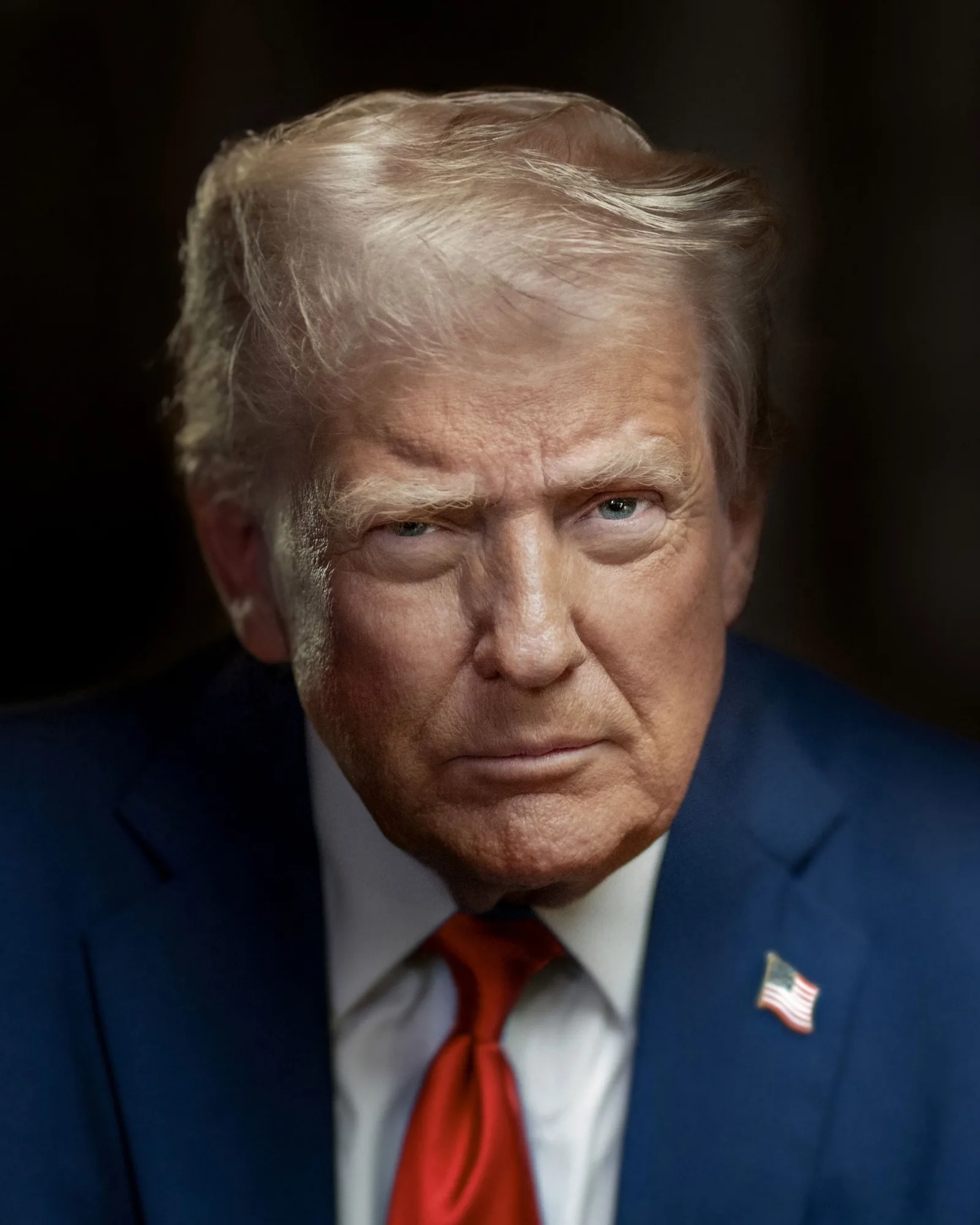 File photo
What happened
Key facts
- Justice Samuel Alito predicted in his dissent that disputes over the ruling’s reach would occupy the federal judiciary for years.
- Legal analysts say the cases could unsettle the reach of Bostock, which addressed discrimination in employment.
The brief
Three transgender federal workers have filed separate workplace-discrimination lawsuits challenging President Donald Trump’s executive order, alleging that it violates Title VII of the Civil Rights Act of 1964. The cases put the reach of the Supreme Court’s employment-discrimination ruling in Bostock v.
Clayton County at issue, while a separate Supreme Court decision rejected Trump’s appeal over gender-affirming care for transgender inmates in federal prisons.
The workers’ lawsuits challenge the order titled “Restoring Biological Truth to the Federal Government.” They cite Bostock, a 2020 ruling in which the justices decided 6-3 that discrimination against employees because of transgender status constitutes unlawful sex discrimination under Title VII.
The current complaints allege violations of that statute; they are claims in litigation, not findings that the government violated the law. The Washington Examiner emphasized the possibility that the new cases could unsettle the scope of Bostock.
Kara Dansky, author of “The Abolition of Sex: How the ‘Transgender’ Agenda Harms Women and Girls,” argued that the litigation could undo what she called a major victory for the transgender rights movement. Her assessment is a prediction about the cases’ possible effect, not a court ruling on their merits.
The same outlet noted that Justice Samuel Alito’s dissent in Bostock forecast years of federal-court disputes over the decision’s reach. That history directly bears on the workers’ reliance on Bostock: the lawsuits test how its employment rule applies to the challenged federal policy, but the sources do not report a ruling on these workers’ claims.
In a separate matter, the Supreme Court rejected Trump’s appeal seeking to end hormone treatments and other gender-affirming care for transgender inmates in federal prisons. The ruling concerns a different lawsuit and does not resolve the federal workers’ discrimination cases.
The National Enquirer described the decision as pausing the order while the inmates’ case proceeds, and the headlines from t.co and Minnesota Lawyer also characterized the court as maintaining a block on the care restrictions.
Judge Lamberth said the Bureau of Prisons’ regulation would arbitrarily deprive inmates of medications and other accommodations that the agency’s medical staff had deemed medically appropriate. Lawyers for the inmates told the court that the Bureau of Prisons overrode its own providers’ clinical judgment and required treatment to stop for almost 1,000 people in custody.
These are the judge’s assessment and the inmates’ lawyers’ account, respectively. The cases therefore raise distinct legal questions: the federal workers allege workplace discrimination under Title VII, while the inmates’ lawsuit contests restrictions on medical care in federal prisons.
The Supreme Court’s decision leaves the inmate-care dispute to proceed in court; the workers’ cases could further test the reach of Bostock, a possibility Dansky and the Washington Examiner highlighted rather than an outcome already established.
Why it matters
- The three federal workers face the direct stakes of their workplace-discrimination claims, which allege that the executive order violates Title VII.
- Transgender inmates in federal prisons face a separate, concrete medical-care issue: lawyers said the Bureau of Prisons halted treatment for almost 1,000 people in custody.
- The federal courts must consider how Bostock’s 6-3 employment ruling applies to the workers’ lawsuits; Justice Samuel Alito had forecast extended litigation over the ruling’s reach.
- The inmate-care ruling leaves the restrictions contested in court, while the workers’ lawsuits separately challenge the federal order under employment law.
What to watch next
- Whether the three federal workers’ lawsuits succeed in their claims that the executive order violates Title VII.
- How federal courts address the workers’ reliance on Bostock v. Clayton County.
- Whether the transgender inmates’ lawsuit leads to a further court ruling on restrictions to gender-affirming care.
- Whether the Bureau of Prisons continues the care restrictions while the inmates’ case proceeds.
How it's being covered
Coverage analysisShow details5 source articles · 5 unique outletsOutlet political mix: Mostly Center· 3 Center · 1 Right · 1 unratedWhere the outlets are based: US/Canada 40% · Unknown 40% · Other 20%
- Coverage is currently concentrated among Center-rated outlets (3 of 4 rated sources); comparatively few Left-rated outlets have published on the event.
How outlets' accounts compare
2 framing differences · 3 uncorroborated claims · 3 information gaps- The Washington Examiner focused on whether the federal workers’ lawsuits could unsettle Bostock and quoted Kara Dansky’s warning that they could undo a major transgender-rights legal victory.
- The Los Angeles Times and National Enquirer covered a separate Supreme Court dispute over gender-affirming care for transgender inmates; the former included Judge Lamberth’s assessment and the inmates’ lawyers’ account, while the latter described the ruling as pausing Trump’s order.
- Kara Dansky’s claim that the workers’ litigation could undo a major transgender-rights legal victory is her assessment, not a court finding.
- Judge Lamberth said the Bureau of Prisons’ regulation would “arbitrarily deprive inmates of medications and other lifestyle accommodations” deemed medically appropriate by agency staff.
- The inmates’ lawyers said the Bureau of Prisons overrode its medical providers’ judgment and mandated treatment cessation for almost 1,000 people.
- The sources do not explain how the federal workers’ specific employment circumstances relate to the executive order’s provisions.
- The workers’ lawsuits contain allegations, and no outcome on their merits is reported.
- The description of the Bureau of Prisons halting treatment for almost 1,000 people is attributed to the inmates’ lawyers.
Timeline
Developments from this story's sources, dated background we compiled and fact-checked, and our earlier coverage. Each row says which.- The statutory framework’s origins lie in the Civil Rights Act of 1964, signed by President Lyndon B. Johnson on July 2, 1964.Background · from our historical context
- On August 8, 1969, President Richard Nixon signed Executive Order 11478, establishing equal employment opportunity requirements in the federal government.Background · from our historical context
- Congress amended Title VII in 1972 to cover federal employees, establishing a statutory basis for federal workers to bring workplace discrimination claims.Background · from our historical context
- President Bill Clinton’s Executive Order 13087, signed May 28, 1998, added sexual orientation to federal employment protections.Background · from our historical context
- On July 21, 2014, President Barack Obama signed Executive Order 13672, adding gender identity to federal-sector nondiscrimination rules and extending related protections to federal contractors.Background · from our historical context
- In *Bostock v. Clayton County*, decided June 15, 2020, the Supreme Court held that firing an employee for being gay or transgender violates Title VII’s prohibition on discrimination because of sex.Background · from our historical context
- President Joe Biden signed Executive Order 13988 on preventing and combating discrimination based on gender identity or sexual orientation.Background · compiled and fact-checked by Updat3
- On January 20, 2025, President Donald Trump signed Executive Order 14168, “Defending Women From Gender Ideology Extremism and Restoring Biological Truth to the Federal Government.”Background · from our historical context
How we got here
On January 20, 2025, President Donald Trump signed Executive Order 14168, “Defending Women From Gender Ideology Extremism and Restoring Biological Truth to the Federal Government.” It directed federal agencies to define sex by reference to biological sex and rescinded Executive Order 13988, a January 20, 2021 order on preventing and combating discrimination based on gender identity or sexual orientation.
Those actions placed federal workplace policies against a background of existing statutes and Supreme Court precedent. Title VII of the Civil Rights Act of 1964 barred employment discrimination “because of” sex. Congress amended Title VII in 1972 to cover federal employees, establishing a statutory basis for federal workers to bring workplace discrimination claims.
Original sources
2 of 5 articles · Unknown · Show allEvery story links to the reporting it was built from. How we choose sources
Spotted a factual error, a broken link or a misleading summary? Tell us.