
Trump suspends Russia-related sanctions and tariff requirements
Donald Trump waived Russia-related sanctions and tariff requirements under a law targeting Russian oil and gas purchases. The order said he notified Congress that the waivers were in the national interest, while the White House said it viewed the law as giving him authority to pursue a peaceful resolution.
AI-assisted synthesis · Based on 6 outlets' reporting · Article text read from 1 of 6 outletsHow it's made
View timeline · 6 entries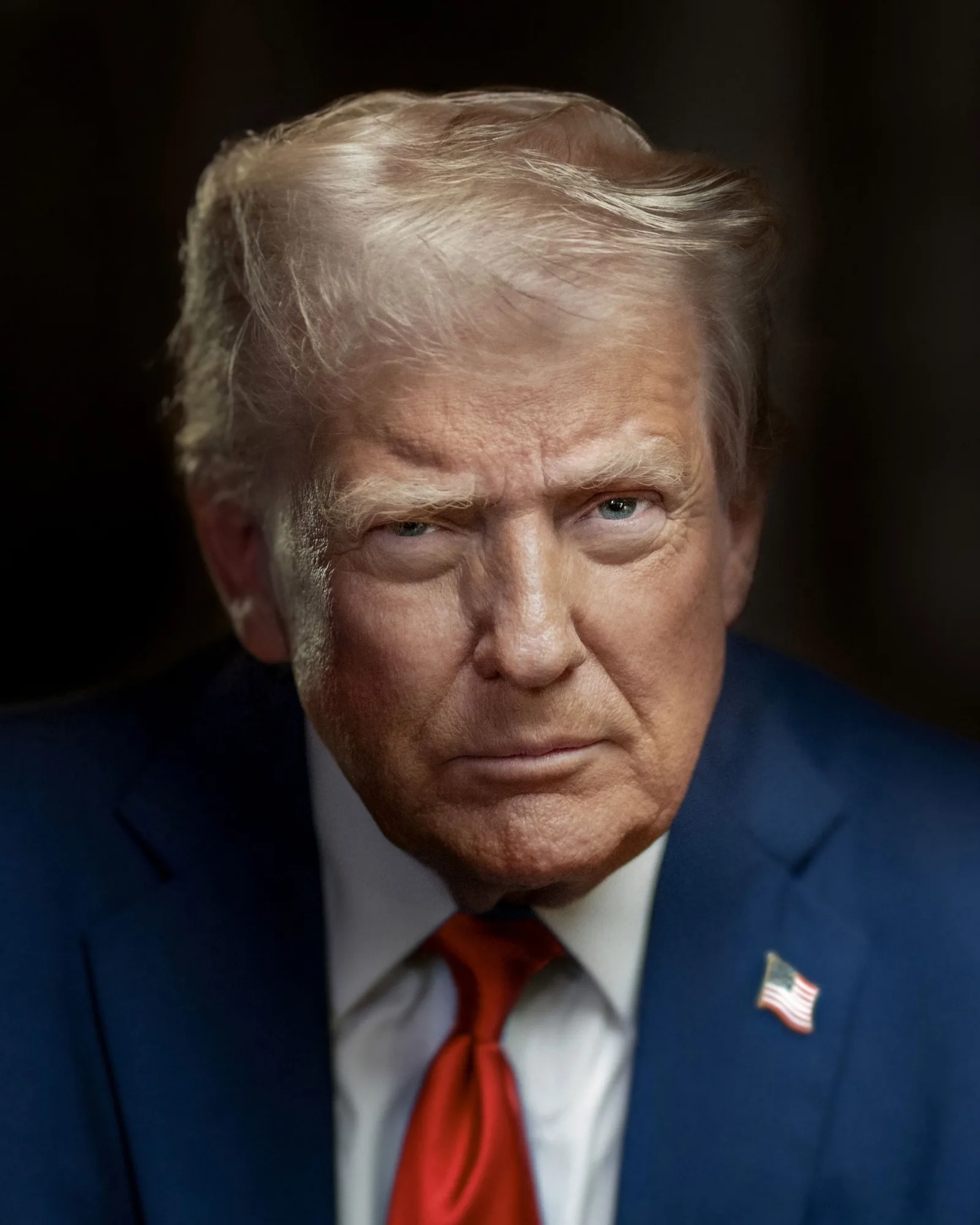 File photo
What happened
Key facts
- Donald Trump waived the law’s operative Russia-related requirements, including proposed tariffs and penalties tied to purchases of Russian oil and gas (per sundayguardianlive.com).
- The law also provided for tariffs of up to 100% on five of the largest buyers of Russian crude oil and natural gas that continued purchasing those supplies (per sundayguardianlive.com).
- Trump’s order said he had informed Congress that the waivers were in the national interest, without giving a further explanation (per sundayguardianlive.com).
- The legislation had substantial bipartisan support in Congress before Trump signed it last month (per sundayguardianlive.com).
- Trump said waiving the Russia sanctions would keep Moscow at the negotiating table (per The Hill, Al Jazeera, sundayguardianlive.com).
- Russia praised Trump’s decision to waive sanctions and called it “historic.” (per afp.com, sundayguardianlive.com).
The brief
Donald Trump waived Russia-related sanctions and tariff requirements in a law targeting purchases of Russian oil and gas, suspending provisions that would have applied to Russia and certain countries and financial institutions. The Sunday Guardian reported that Trump exercised the law’s waiver authority and that his order told Congress the decision was in the national interest.
The order did not give a further explanation for that determination. The legislation provided for tariffs of up to 500% on Russian goods, including oil and gas.
It also set out tariffs of up to 100% for five of the largest buyers of Russian crude oil and natural gas if they continued purchasing those supplies, as well as five countries the law identified as helping Russia evade oil sanctions. The waiver suspended the law’s operative Russia-related requirements, according to The Sunday Guardian.
The outlet reported that the measures were scheduled to take effect on October 18. The legislation had substantial bipartisan support in Congress before Trump signed it last month, The Sunday Guardian said. The order’s notice to Congress described the waivers as being in the national interest, but the account gave no additional rationale from the order.
The White House described the measure as part of its effort to pursue a peaceful resolution. Spokesperson Taylor Rogers said the administration wanted the conflict to end and viewed the law as giving the president additional authority to pursue that goal, according to The Sunday Guardian.
A headline from The Hill separately attributes to Trump the claim that waiving sanctions would keep Moscow at the negotiating table. The headlines also show sharply different reactions and descriptions.
AFP reported that Russia praised the waiver as “historic.” DW’s headline says Trump defended the waivers and accused Volodymyr Zelenskyy of “prolonging war,” while Newsweek’s headline describes Republican backlash. Those headlines establish the reported positions and reaction, but do not provide further details about the statements or the backlash.
The Sunday Guardian’s account places the decision in the context of the administration’s pursuit of diplomatic negotiations with Russian President Vladimir Putin over the war in Ukraine and its stated effort to address rising diesel prices. It also describes the waiver as a further easing of restrictions affecting Russian oil or petroleum products.
The available account does not detail how the waiver changes the position of any specific buyer or country under the law.
Why it matters
- The waiver suspends tariff provisions reaching as high as 500% on Russian goods, including oil and gas.
- Five of the largest buyers of Russian crude oil and natural gas could have faced tariffs of up to 100% under the law if they continued buying those supplies.
- The law also covered five countries identified in its provisions as helping Russia evade oil sanctions.
- The administration says it wants the conflict to end and views the law as authority to pursue a peaceful resolution; Trump’s stated negotiating rationale, as summarized by The Hill, is keeping Moscow at the negotiating table.
What to watch next
- Whether the administration provides further explanation for its national-interest waivers to Congress.
- Whether Trump continues to describe the waiver as a way to keep Moscow at the negotiating table.
- Whether Russia maintains its publicly reported praise of the waiver as “historic.”
- Whether the Republican backlash described in Newsweek’s headline produces any further stated position or action.
How it's being covered
Coverage analysisShow details6 source articles · 6 unique outletsOutlet political mix: Mostly Center· 4 Center · 1 Right · 1 unratedWhere the outlets are based: US/Canada 33% · Europe 17% · Other 50%
- Coverage is currently concentrated among Center-rated outlets (4 of 5 rated sources); comparatively few Left-rated outlets have published on the event.
One source is from a wire service (AP, Reuters, AFP or Bloomberg), whose reporting other outlets often republish.
How outlets' accounts compare
Timeline
Developments from this story's sources, dated background we compiled and fact-checked, and our earlier coverage. Each row says which.- In March 2014, President Barack Obama issued Executive Order 13660, authorizing sanctions over actions that undermined Ukraine’s sovereignty and territorial integrity; subsequent orders expanded the measures.Background · from our historical context
- Congress codified and expanded sanctions in the Countering America’s Adversaries Through Sanctions Act (CAATSA), signed on August 2, 2017.Background · from our historical context
- After Russia launched its full-scale invasion of Ukraine on February 24, 2022, the United States and its allies imposed additional sanctions, including restrictions on Russian financial institutions and energy exports.Background · from our historical context
- In December 2022, the G7, the European Union and Australia introduced a price cap on Russian seaborne crude oil, alongside limits on related shipping and services.Background · from our historical context
- Donald Trump and Vladimir Putin discussed a proposed pause in attacks on energy infrastructure, and the White House said Putin had agreed to it.Background · compiled and fact-checked by Updat3
- The immediate backdrop was Congress’s enactment of the Russia sanctions law named for Senator Lindsey Graham, which Donald Trump signed in September 2026.Background · from our historical context
How we got here
The immediate backdrop was Congress’s enactment of the Russia sanctions law named for Senator Lindsey Graham, which Donald Trump signed in September 2026. The legislation had bipartisan support and provided for tariffs of up to 100 percent on five of the largest buyers of Russian crude oil and natural gas if they continued purchasing those supplies.
Its operative requirements included proposed tariffs and penalties linked to purchases of Russian energy. The current US sanctions framework against Russia took shape after Russia’s 2014 annexation of Crimea and the outbreak of fighting in eastern Ukraine.
Original sources
1 of 6 articles · Global · Show allEvery story links to the reporting it was built from. How we choose sources
Spotted a factual error, a broken link or a misleading summary? Tell us.