
Trump denies directing Vance to start peace talks with Iran
Trump’s denial leaves no confirmation that Washington has authorized a diplomatic channel to Tehran, making it harder to assess whether the administration is pursuing negotiations or another approach.
AI-assisted synthesis · Based on 5 outlets' reporting · Article text read from 1 of 5 outletsHow it's made
View timeline · 9 entries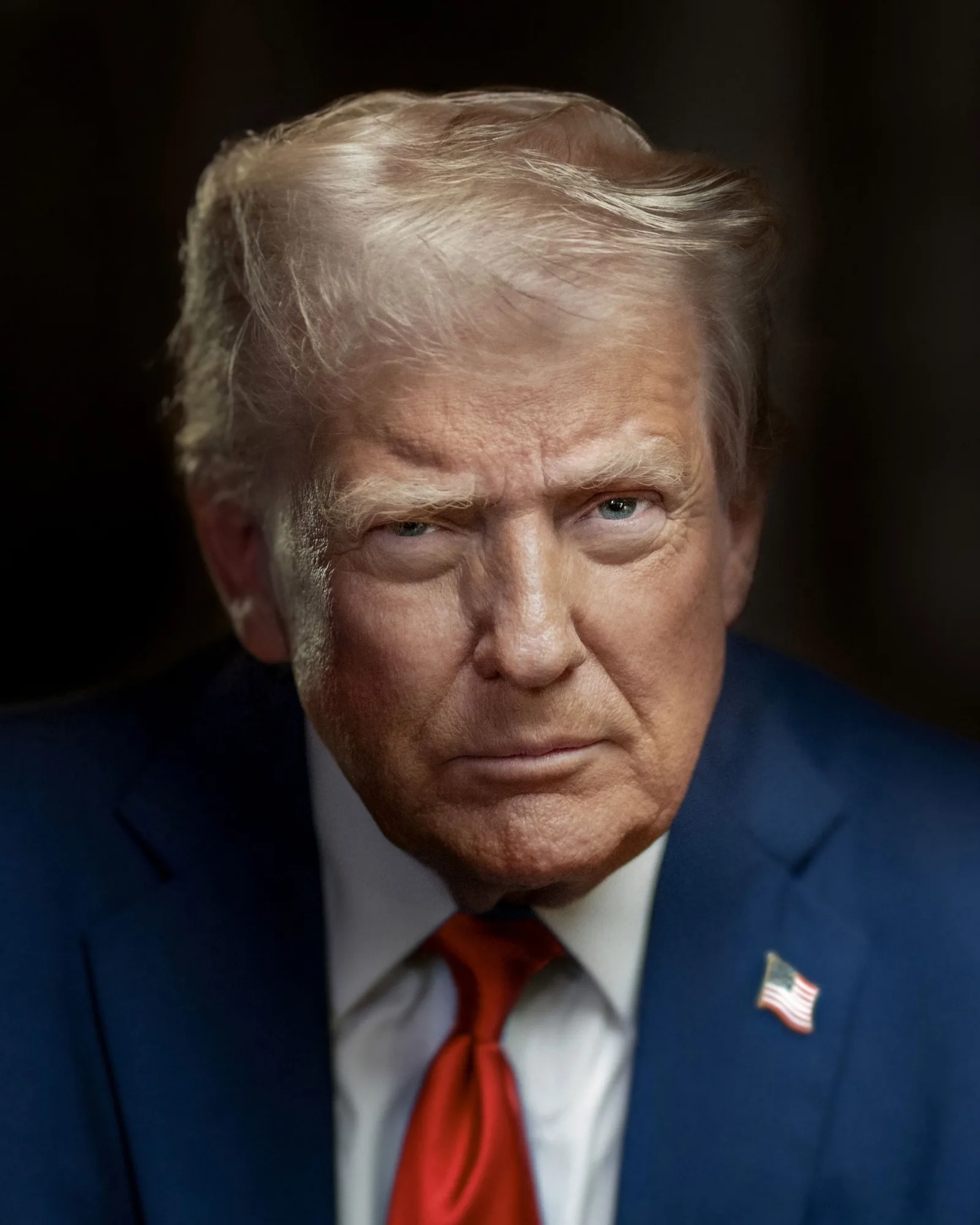 File photo
What happened
Key facts
- Trump denied directing Vance to pursue or start talks with Iran (per breakingthenews.net, Middle East Eye, investinglive.com).
- The supplied source text does not verify what the outreach to Iran concerned.
- The supplied source text does not verify that Vance sent a letter to an Iranian hard-liner or that it was intended to revive peace talks.
- The supplied source text does not verify that Trump threatened strikes.
- The supplied source text does not verify that Trump accused Tehran of stalling on Tuesday.
- The supplied source text does not verify that Trump said Tehran might be waiting for an election result or that he believed the result would not help it.
The brief
Trump denied directing Vance to start peace talks with Iran, according to headlines from Breakingthenews.net and Middle East Eye. An X.com headline gives a more specific account of Trump’s position: it says he denied sending Vance to negotiate and described the outreach as concerning medical supplies. Those headlines do not provide further details about that explanation.
A Times of India headline says Vance sent a letter to an Iranian hard-liner in an effort to revive peace talks. It also says Trump threatened strikes. The headline does not identify the recipient or provide more detail about the letter or the reported threat, so those claims remain attributed to that headline.
The investinglive.com excerpt adds Trump’s account of the diplomatic backdrop. It says that on Tuesday he accused Tehran of stalling and suggested Tehran could be waiting for an election result that, in his view, would not help it. The excerpt does not identify the election.
These are Trump’s accusations and interpretation, rather than independently established reasons for Iran’s conduct. The same excerpt says diplomacy has repeatedly broken down, without assigning responsibility for those breakdowns. It does not describe the talks, identify who participated, or say when the breakdowns occurred.
The Times of India headline’s reference to reviving peace talks aligns with the broader subject of renewed diplomacy, but the two descriptions do not establish that the letter and Trump’s denial concern the same outreach.
The political backdrop described by investinglive.com is domestic: Republicans are bracing for losses in Congress, and the excerpt says voters cite the war and rising fuel costs. It provides no polling figures or named voters.
It also calls Vance the early front-runner for the Republican Party’s 2028 presidential nomination, placing the vice president’s reported diplomatic role alongside an account of his standing in the party.
Taken together, the claims leave distinct accounts of the outreach: Trump denied directing Vance to pursue talks, while the Times of India headline describes Vance sending a letter to help revive them; the X.com headline says Trump characterized the contact as medical-supply-related. The available claims do not resolve how those descriptions relate to one another.
The immediate issue is whether Vance’s letter was part of peace-talk efforts or, as Trump’s reported explanation suggests, outreach about medical supplies.
Why it matters
- The conflicting accounts leave unclear whether Washington is pursuing a diplomatic channel or limiting contact to practical issues such as medical supplies, making it harder for Iran and other governments to judge the prospects for a pause in fighting. For civilians in Iran and neighboring countries, that uncertainty matters because continued strikes can disrupt essential services and aid deliveries, while any credible talks could create a route to reduce those risks.
What to watch next
- Whether Trump provides further detail on his claim that the outreach concerned medical supplies.
- Whether Vance’s reported letter to an Iranian hard-liner is tied to efforts to revive peace talks.
- Whether Trump’s accusation that Tehran is stalling is followed by any further account of diplomacy.
How it's being covered
Coverage analysisShow details5 source articles · 5 unique outletsOutlet political mix: Too few rated· 1 Left · 1 Center · 3 unratedWhere the outlets are based: US/Canada 40% · Middle East 20% · Other 40%
How outlets' accounts compare
Timeline
Developments from this story's sources, dated background we compiled and fact-checked, and our earlier coverage. Each row says which.- A still earlier rupture was the August 19, 1953, coup that removed Prime Minister Mohammad Mosaddegh.Background · from our historical context
- The Iranian Revolution overthrew Shah Mohammad Reza Pahlavi.Background · compiled and fact-checked by Updat3
- Those events followed the 1979 Iranian Revolution, which overthrew the US-backed Shah, and the seizure of the US embassy in Tehran on November 4, 1979; Iranian students held 52 Americans hostage for 444 days.Background · from our historical context
- The United States severed diplomatic relations with Iran on April 7, 1980, and the two countries have not restored formal relations.Background · from our historical context
- Iran and six world powers agreed to the Joint Comprehensive Plan of Action, which limited Iran’s nuclear activities in exchange for sanctions relief.Background · compiled and fact-checked by Updat3
- On May 8, 2018, President Donald Trump announced that the United States was leaving the agreement and restoring US sanctions.Background · from our historical context
- From 2019, Iran began exceeding some of the JCPOA’s limits, saying its steps followed the US withdrawal and the failure of other parties to deliver the agreement’s economic benefits.Background · from our historical context
- On January 3, 2020, a US drone strike near Baghdad airport killed Iranian commander Qassem Soleimani; the Trump administration said it had acted to deter attacks on US personnel.Background · from our historical context
- The United States and Israel launched coordinated strikes across Iran, beginning the war.Background · compiled and fact-checked by Updat3
How we got here
The immediate backdrop to any renewed US-Iran diplomacy was the war that began on February 28, 2026, when the United States and Israel launched coordinated strikes on Iranian power plants, air defenses and military infrastructure. The conflict was ongoing as of October 29, 2026.
The 2015 nuclear agreement had provided a diplomatic framework for limiting Iran’s nuclear program, but the 2026 war unfolded after that framework had ceased to operate.
Original sources
1 of 5 articles · Unknown · Show allEvery story links to the reporting it was built from. How we choose sources
Spotted a factual error, a broken link or a misleading summary? Tell us.