
Trump eases pressure on Russia as Ukraine faces gaps in U.S. support
Ukraine has at times lacked U.S. intelligence support, and a satellite network used by its troops has operated at reduced speeds, the Washington Examiner reports, potentially complicating battlefield coordination as Russia’s invasion continues.
AI-assisted synthesis · Based on 5 outlets' reporting · Article text read from 2 of 5 outlets · 1 article captured only in partHow it's made
View timeline · 9 entries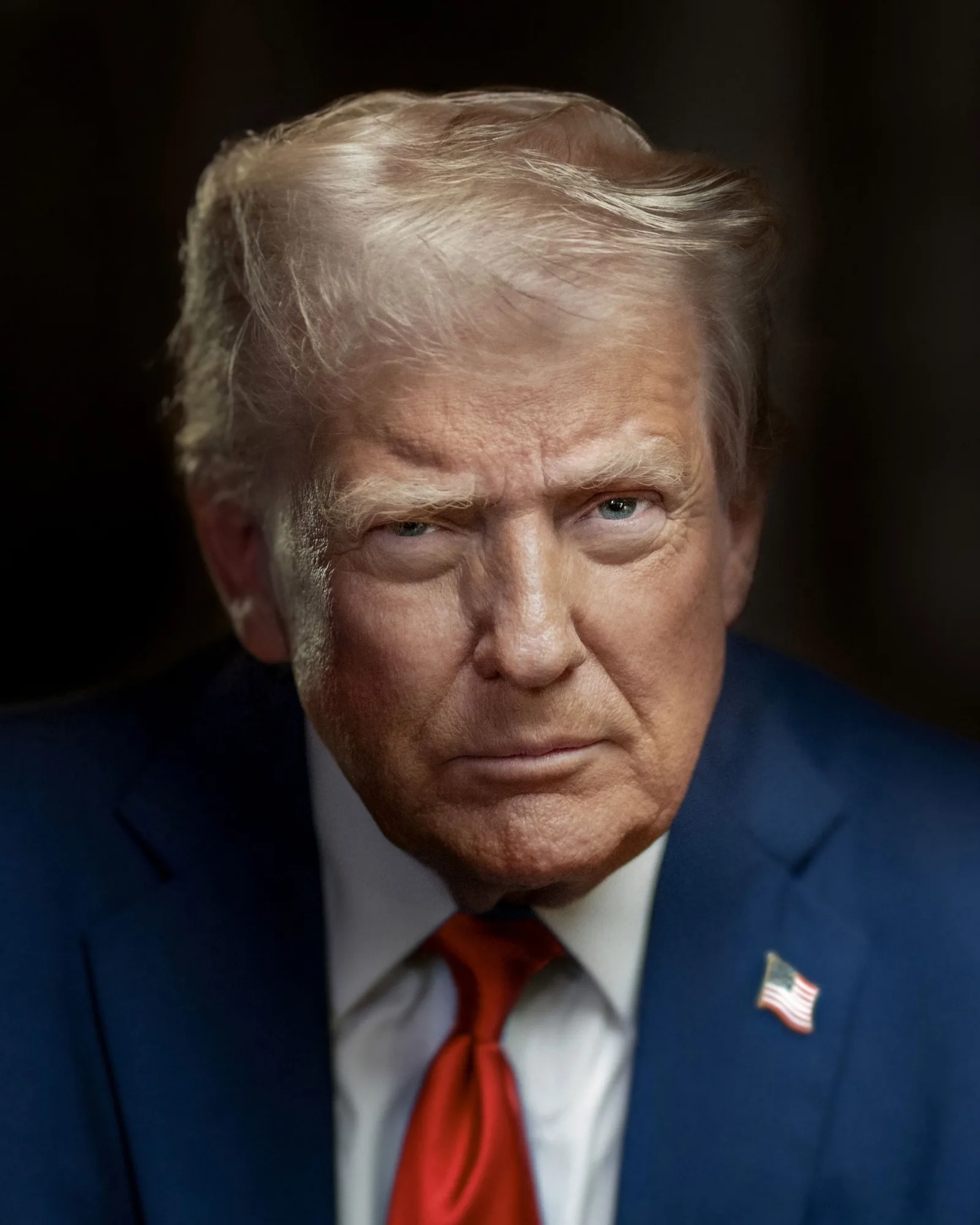 File photo
What happened
Key facts
- Ukraine has experienced instances in which it did not receive U.S. intelligence to help stop incoming attacks.
- Former Pentagon official Joshua VerGow said the cumulative effect of the decisions changes the balance of leverage by restricting capabilities Ukraine depends on while easing economic pressure on Russia.
- A U.S.-linked satellite network used by Ukrainian front-line troops has been operating at reduced speeds.
The brief
President Donald Trump is taking 60 days to review waivers under a new Russia sanctions law before deciding whether to impose additional tariffs on major buyers of Russian energy, including India. Secretary of State Marco Rubio described the interval as a period to assess the potential effects of sanctions and tariffs on both the global economy and the U.S. economy.
Rubio said Trump wants the killing to stop and that the law allows the president to assess the situation before deciding on further measures. The review leaves open whether the United States will impose the additional tariffs; Rubio did not announce a decision to do so.
The Washington Examiner places that easing of economic pressure on Russia alongside reported gaps in U.S. support for Ukraine. It says Ukraine has at times not received U.S. intelligence intended to help it stop incoming attacks. The Examiner also reports that a U.S.-linked satellite network used by Ukrainian front-line troops has been operating at reduced speeds.
Denys Sienik, Ukraine’s acting Charge d’Affaires to the United States, said satellite access has played an important role in Ukraine’s defence and called for earlier speed limits to be restored. His statement makes the requested change clear; the account does not say that the speeds have been restored.
Joshua VerGow, a former Pentagon official, told the Examiner that the combined effect of the policy and support decisions changes the balance of leverage: he said Ukraine’s capabilities are being restricted as economic pressure on Russia eases.
The San Diego Union-Tribune’s headline likewise characterizes Trump’s moves as easing pressure on Russia and says U.S.-Ukraine ties have reached a new low, while the Examiner emphasizes the reported military-support constraints.
The Examiner also cited figures indicating that Russia launched nearly 2,700 attack drones, 1,700 guided and other aerial bombs, and 66 missiles against Ukraine over the preceding week. Those figures were attributed in the report to an unspecified source, rather than presented as an independently verified count.
The next policy decision identified by Rubio is whether to impose additional tariffs after the 60-day review. The account does not specify when that review period began, so it does not establish a calendar date for the decision. Meanwhile, Sienik’s request to restore the prior satellite speed limits remains a stated Ukrainian position, not a reported change in service.
Why it matters
- Ukrainian front-line troops rely on a U.S.-linked satellite network that the Washington Examiner says is operating at reduced speeds; Ukraine’s acting Charge d’Affaires says those capabilities support defence operations.
- Ukraine has at times lacked U.S. intelligence intended to help stop incoming attacks, according to the Examiner, while the same outlet reports nearly 2,700 Russian attack drones, 1,700 guided and other aerial bombs, and 66 missiles launched over the preceding week.
- Russia faces less immediate economic pressure under the reported waiver review, while major buyers of Russian energy, including India, could face additional U.S. tariffs after the 60-day assessment.
What to watch next
- Whether President Donald Trump imposes additional tariffs on major buyers of Russian energy after the 60-day review described by Marco Rubio.
- Whether the United States restores the previous satellite speed limits, as Ukraine’s acting Charge d’Affaires Denys Sienik requested.
- Whether U.S. intelligence support for Ukraine changes after the reported instances in which Ukraine did not receive assistance to help stop incoming attacks.
How it's being covered
Coverage analysisShow details5 source articles · 5 unique outletsOutlet political mix: Mostly Center· 4 Center · 1 RightWhere the outlets are based: US/Canada 40% · Asia 40% · Other 20%
- Coverage is currently concentrated among Center-rated outlets (4 of 5 rated sources); comparatively few Left-rated outlets have published on the event.
How outlets' accounts compare
2 framing differences · 4 uncorroborated claims · 4 information gaps- The Washington Examiner connects the easing of economic pressure on Russia with reported intelligence gaps and reduced satellite speeds affecting Ukraine; the San Diego Union-Tribune headline instead characterizes the broader relationship as a new low and says Trump eased up on Russia.
- Rubio’s comments, reported by WION, present the 60-day period as an economic assessment before a decision on further tariffs; the Washington Examiner emphasizes the consequences it associates with reduced pressure on Russia and gaps in U.S. support for Ukraine.
- The Washington Examiner presents the easing of pressure on Russia and reported gaps in support for Ukraine as concurrent decisions with a cumulative effect, but the sources do not establish that one caused the other.
- Rubio attributes the 60-day review to Trump’s desire to assess economic effects; VerGow argues that the combined decisions restrict Ukrainian capabilities while easing pressure on Russia.
- Rubio said Trump wants “the killing to stop.”
- VerGow said the decisions’ “cumulative effect” changes the balance of leverage.
- The sources do not identify when the 60-day review period began, so they do not establish a calendar date for its conclusion.
- The sources do not provide casualty figures for the reported attacks against Ukraine.
- The sources do not specify which intelligence gaps occurred, when they occurred, or how the satellite speed limits were set.
- The Washington Examiner attributes the battlefield attack figures to an unspecified source, and its account does not identify independent verification of those figures.
Timeline
Developments from this story's sources, dated background we compiled and fact-checked, and our earlier coverage. Each row says which.- Ukraine, Russia, the United States and the United Kingdom signed the Budapest Memorandum on security assurances.Background · compiled and fact-checked by Updat3
- At the April 2008 Bucharest Summit, NATO declared that Ukraine and Georgia “will become members,” without setting a timetable.Background · from our historical context
- Russia annexed Crimea from Ukraine.Background · compiled and fact-checked by Updat3
- SpaceX activated Starlink service in Ukraine and terminals were supplied there.Background · compiled and fact-checked by Updat3
- After Russia launched its full-scale invasion on February 24, 2022, the United States and its partners imposed broader financial, trade and energy-related sanctions.Background · from our historical context
- The Group of Seven agreed in December 2022 to cap the price of Russian seaborne oil; the European Union’s embargo on most seaborne Russian crude took effect that month.Background · from our historical context
- The U.S. Congress had approved a major supplemental package for Ukraine, Israel and other purposes on April 24, 2024, after months of debate over continued aid.Background · from our historical context
- In 2025, interruptions to intelligence support became part of the context for Ukraine’s reliance on U.S. assistance.Background · from our historical context
- The Trump administration paused U.S. military assistance to Ukraine.Background · compiled and fact-checked by Updat3
How we got here
On March 3, 2025, the Trump administration paused U.S. military assistance to Ukraine; on March 11, after U.S.-Ukraine talks in Jeddah, it agreed to resume assistance and intelligence sharing, and Ukraine accepted a proposed 30-day ceasefire that Russia did not accept.
In 2025, interruptions to intelligence support became part of the context for Ukraine’s reliance on U.S. assistance. The U.S. Congress had approved a major supplemental package for Ukraine, Israel and other purposes on April 24, 2024, after months of debate over continued aid.
Original sources
1 of 5 articles · Unknown · Show allEvery story links to the reporting it was built from. How we choose sources
Spotted a factual error, a broken link or a misleading summary? Tell us.