
Trump seeks Kansas evangelical support as Democrats challenge GOP dominance
Trump is courting Kansas evangelicals in a state he has carried in three presidential elections, while Democrats seek to challenge Republican dominance—a contrast underscored by Democratic Gov. Laura Kelly’s 2022 reelection.
AI-assisted synthesis · Based on 3 outlets' reporting · Article text read from 1 of 3 outletsHow it's made
View timeline · 10 entries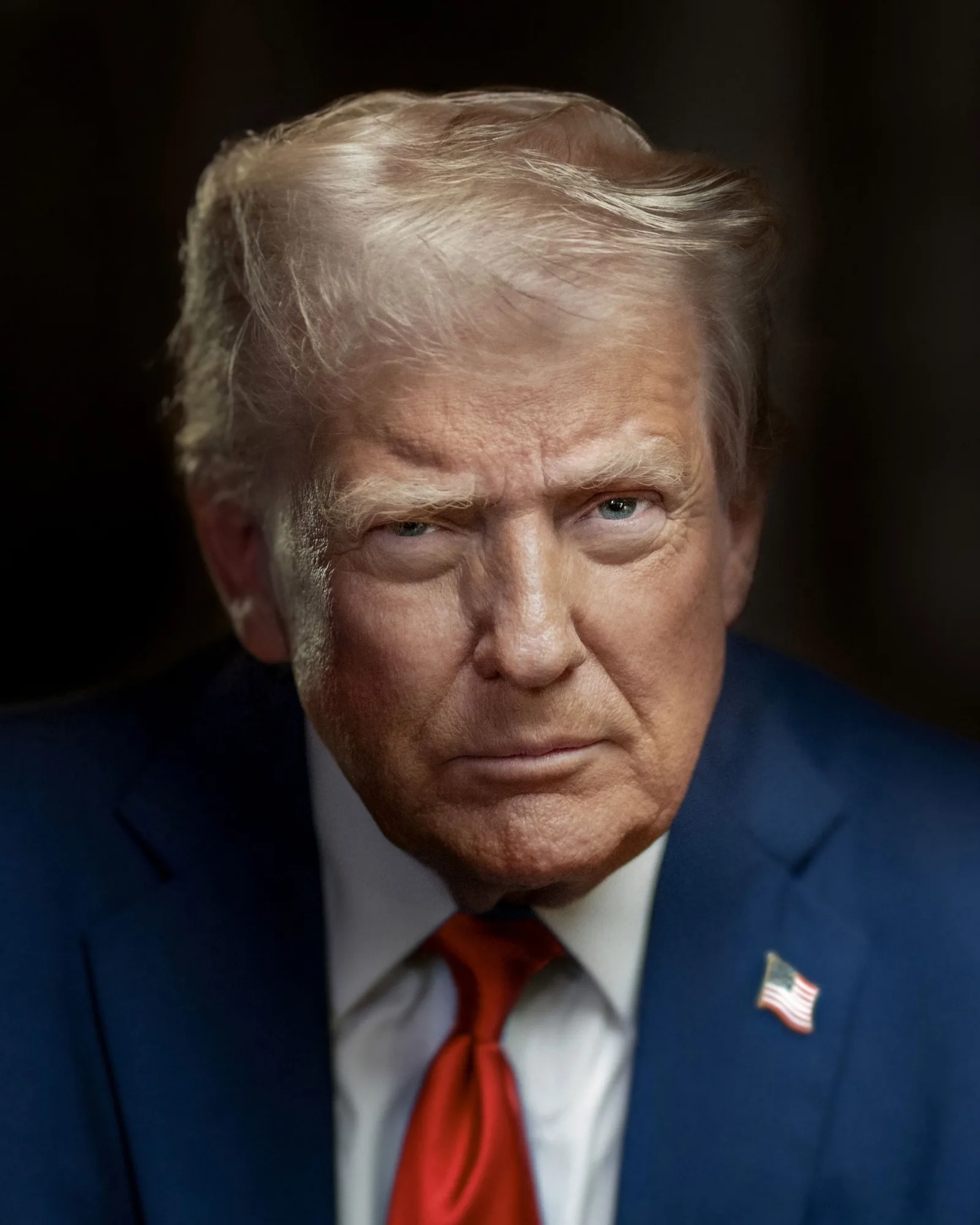 File photo
What happened
Key facts
- The Washington Times headline says Trump hopes to boost the evangelical vote in Kansas (per washingtontimes.com).
- The Washington Times headline says Democrats threaten to end Republican dominance (per therealmediang.com).
- Democrats in Texas are hoping to end more than three decades of Republican dominance in the state (per therealmediang.com).
- Mark Aponte told AFP at Trump’s San Antonio rally that he did not think Trump was the best representation but considered him the best available option (per therealmediang.com).
- Benny Melendez, a construction business owner who voted for Trump in 2024, said immigration enforcement measures had severely affected his business (per therealmediang.com).
The brief
The Washington Times headline says Donald Trump hopes to increase evangelical support in Kansas as Democrats threaten Republican dominance. The headline gives no further details about the campaign or the size of the electorate involved. A separate account from The Nigerian describes a challenge to Republican control in Texas.
It says Democrats there are seeking to end more than three decades of Republican dominance, while voter discontent over immigration raids and the cost of living threatens Trump’s support. The account does not tie those Texas dynamics to the Kansas contest named in The Washington Times headline.
The Texas account places the challenge against a long record of Republican success statewide: no Democrat has won statewide office in Texas since 1994. It also says Trump defeated his Democratic rival in Texas by nearly 14 percentage points in the 2024 presidential election.
Those figures describe Texas and do not establish the size of Trump’s evangelical vote or the state of the contest in Kansas. At a Trump rally in San Antonio, Mark Aponte told AFP he did not consider Trump the best representation, but regarded him as the best option available.
Aponte’s remark reflects one attendee’s stated view; the account does not provide a broader survey of rallygoers or voters. Benny Melendez, a construction business owner and son of immigrants who voted for Trump in 2024, said immigration enforcement measures had severely affected his business.
He told AFP, “I didn’t vote for Trump because I liked him.” The account presents his experience alongside voter discontent over immigration raids and living costs, but does not quantify the business impact or say how many voters share his view.
Together, the Kansas headline and the Texas account point to separate electoral stories: Trump’s effort to mobilize evangelical voters in Kansas, and Democratic hopes of ending Republican dominance in Texas amid concerns cited about enforcement and living costs.
The Texas account supplies historical voting results and individual voter remarks; the Kansas headline identifies the electoral goal and the challenge but offers no comparable detail about voters, campaign events or results.
Why it matters
- Evangelical turnout could help preserve Republican strength in Kansas, while Democratic gains in statewide races would show that voters can split their choices between national and state contests. The reports also point to a practical tension for some Trump supporters: tougher immigration enforcement may appeal politically but can disrupt businesses that rely on immigrant labor, as construction owner Benny Melendez says it has done to his.
What to watch next
- Over the next few weeks, watch whether Trump’s campaign schedules additional Kansas appearances or rallies with evangelical leaders, and whether local pastors or conservative groups publicly mobilize voters in response.
- Track Kansas polling and campaign filings for evidence that Democrats are investing in statewide races; changes in fundraising, staffing, or advertising would show whether the challenge to GOP dominance is gaining resources.
- Watch whether Texas Democrats announce statewide candidates or voter-registration drives, and whether those efforts target voters concerned about immigration enforcement and its effects on local businesses.
- In the coming weeks, look for further public comments from Texas business owners like Benny Melendez and for campaign proposals on immigration enforcement that address business impacts.
How it's being covered
Coverage analysisShow details3 source articles · 3 unique outletsOutlet political mix: Too few rated· 1 Left · 1 Right · 1 unratedWhere the outlets are based: US/Canada 67% · Unknown 33%
How outlets' accounts compare
Timeline
Developments from this story's sources, dated background we compiled and fact-checked, and our earlier coverage. Each row says which.- In 1979, Southern Baptist pastor Jerry Falwell founded the Moral Majority, an organization that mobilized conservative Christians around issues including abortion and public education.Background · from our historical context
- Donald Trump won the presidential election.Background · compiled and fact-checked by Updat3
- Laura Kelly defeated Kris Kobach to become governor of Kansas.Background · compiled and fact-checked by Updat3
- Kansas’s Supreme Court had ruled on April 26, 2019, in *Hodes & Nauser v. Schmidt* that the state constitution protected a right to abortion.Background · from our historical context
- Donald Trump carried Kansas in the presidential election.Background · compiled and fact-checked by Updat3
- The ballot fight followed the U.S. Supreme Court’s June 24, 2022, decision in *Dobbs v. Jackson Women’s Health Organization*, which overturned *Roe v. Wade* and returned abortion regulation to the states.Background · from our historical context
- Kansas voters rejected a proposed constitutional amendment that would have removed protections for abortion rights.Background · compiled and fact-checked by Updat3
- Laura Kelly won reelection as governor of Kansas.Background · compiled and fact-checked by Updat3
- Benny Melendez, a construction business owner who voted for Trump in 2024, said immigration enforcement measures had severely affected his business.
- Donald Trump won the presidency, and Republicans gained control of the Senate.Background · compiled and fact-checked by Updat3
How we got here
In the November 5, 2024, presidential election, Donald Trump carried Kansas, a state he had also won in 2016 and 2020; Democratic governor Laura Kelly, meanwhile, had won reelection in 2022.
That combination of Republican presidential strength and Democratic success in a statewide race was visible again on August 2, 2022, when Kansas voters rejected a proposed state constitutional amendment that would have removed protections for abortion rights. The ballot fight followed the U.S. Supreme Court’s June 24, 2022, decision in *Dobbs v.
Original sources
3 articles from 3 outletsEvery story links to the reporting it was built from. How we choose sources
Spotted a factual error, a broken link or a misleading summary? Tell us.