
Trump plan would loosen methane limits and boost oil and gas output
Donald Trump plans to announce an EPA proposal easing methane rules for oil and gas production during a Texas campaign stop. An EPA official projected the changes would save $45 billion in energy costs and increase domestic oil and natural gas output.
AI-assisted synthesis · Based on 4 independent reports from 5 outlets · Article text read from 1 of 4 reportsHow it's made
View timeline · 8 entries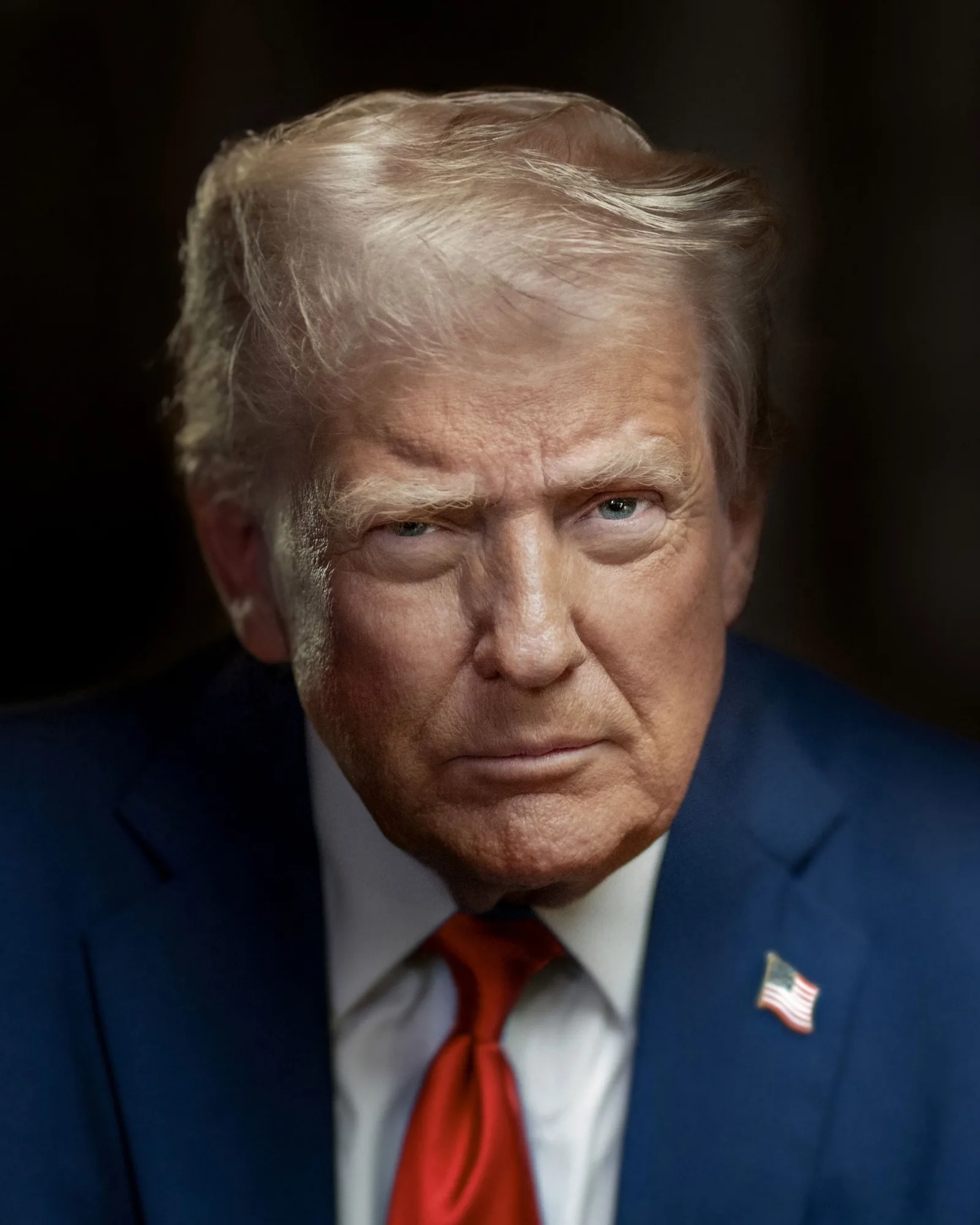 File photo
What happened
Key facts
- The proposal would ease methane standards for smaller, low-producing wells (per freebeacon.com).
- The proposal would rescind the Super Emitter Program, which uses third parties to detect large methane releases (per freebeacon.com).
- Then-EPA administrator Michael Regan said the regulations would reduce methane emissions and support a transition to clean energy (per freebeacon.com).
The brief
Donald Trump plans to announce an Environmental Protection Agency proposal that would loosen methane rules for oil and gas production, the Washington Free Beacon reported. The announcement is expected during a campaign stop in Texas on Tuesday evening.
The Hill’s headline also says Trump announced a proposal to loosen the rules, while KRIS 6 News Corpus Christi’s headline describes remarks at a political campaign event in Corpus Christi on Tuesday. An EPA official briefed on the planned announcement projected that the changes would save $45 billion in energy costs.
The same official estimated the proposal would add 210 million barrels of oil and 1.41 trillion cubic feet of natural gas production nationwide. Those figures are the official’s projections, rather than reported outcomes from rules already in effect. The proposed changes would ease methane standards for smaller, low-producing wells.
They would also rescind the Super Emitter Program, which uses third parties to identify large methane releases. The Free Beacon described the program’s detection role as part of its account of what the proposal would remove. The EPA would also eliminate a requirement that curbs some routine flaring of natural gas.
Together, these measures would change requirements covering well emissions, detection of large releases and the handling of gas that would otherwise be flared. The Free Beacon reported the details as elements of the planned proposal. The rules being revised were finalized by Joe Biden in 2024.
Michael Regan, who was EPA administrator at the time, said the regulations would reduce methane emissions and support a transition to clean energy. That stated rationale contrasts with the current EPA official’s projected energy-cost savings and added production, which the official offered in briefing the Free Beacon on the planned changes.
The Free Beacon said the planned action was among Trump’s recent major energy-related announcements ahead of the upcoming midterm election. EnergyNow and the American Journal of Transportation characterized the plan as a rollback of methane rules in headlines about a Texas campaign push.
Those headlines describe the event in broad terms; the specific provisions and projections above come from the Free Beacon’s account.
Why it matters
- The proposal would ease methane standards for smaller, low-producing wells and remove a program that uses third parties to detect large releases.
- The EPA official projected $45 billion in energy-cost savings and additional production of 210 million barrels of oil and 1.41 trillion cubic feet of natural gas.
- The proposal would remove a requirement that eliminates some routine flaring of natural gas.
- Then-EPA administrator Michael Regan said the 2024 rules would reduce methane emissions and support a transition to clean energy.
What to watch next
- Whether Trump announces the EPA proposal during the Texas campaign stop.
- Whether the EPA proposal includes easing standards for smaller, low-producing wells.
- Whether the proposal rescinds the Super Emitter Program and its third-party detection role.
- Whether the EPA removes the requirement that eliminates some routine natural-gas flaring.
How it's being covered
Coverage analysisShow details5 source articles · 5 unique outlets · 4 distinct reportsOutlet political mix: Too few rated· 1 Center · 1 Right · 3 unratedWhere the outlets are based: US/Canada 60% · Unknown 40%
How outlets' accounts compare
Timeline
Developments from this story's sources, dated background we compiled and fact-checked, and our earlier coverage. Each row says which.- The regulatory framework rests on the Clean Air Act, signed by President Richard Nixon on December 31, 1970.Background · from our historical context
- The EPA adopted federal pollution standards for the oil and gas sector.Background · compiled and fact-checked by Updat3
- The EPA issued federal standards directly limiting methane emissions from new and modified oil and gas sources.Background · compiled and fact-checked by Updat3
- President Joe Biden directed federal agencies to review environmental rules.Background · compiled and fact-checked by Updat3
- The EPA proposed restoring and expanding methane controls for oil and gas operations.Background · compiled and fact-checked by Updat3
- President Joe Biden signed the Inflation Reduction Act, which established a charge on methane emissions from certain facilities.Background · compiled and fact-checked by Updat3
- The immediate backdrop was the Environmental Protection Agency’s March 8, 2024, final methane rule for oil and gas operations.Background · from our historical context
- It set standards for new and modified facilities and guidelines for existing sources, including requirements addressing leaks and flaring; the rule took effect on May 7, 2024.Background · from our historical context
How we got here
The immediate backdrop was the Environmental Protection Agency’s March 8, 2024, final methane rule for oil and gas operations. It set standards for new and modified facilities and guidelines for existing sources, including requirements addressing leaks and flaring; the rule took effect on May 7, 2024.
EPA Administrator Michael Regan said the standards would reduce methane emissions while supporting a transition to clean energy. The 2024 rule followed a change in federal policy.
Original sources
2 of 5 articles · Unknown · Show allEvery story links to the reporting it was built from. How we choose sources
Spotted a factual error, a broken link or a misleading summary? Tell us.