
Trump rallies in South Carolina to support Darline Graham's Senate campaign
Donald Trump campaigned in Pendleton, South Carolina, urging voters to elect Republican Senate candidate Darline Graham in the November 3 midterm election. Protesters interrupted his rally more than half a dozen times, but Trump continued speaking.
AI-assisted synthesis · Based on 5 independent reports from 7 outlets · Article text read from 1 of 5 reportsHow it's made
View timeline · 8 entries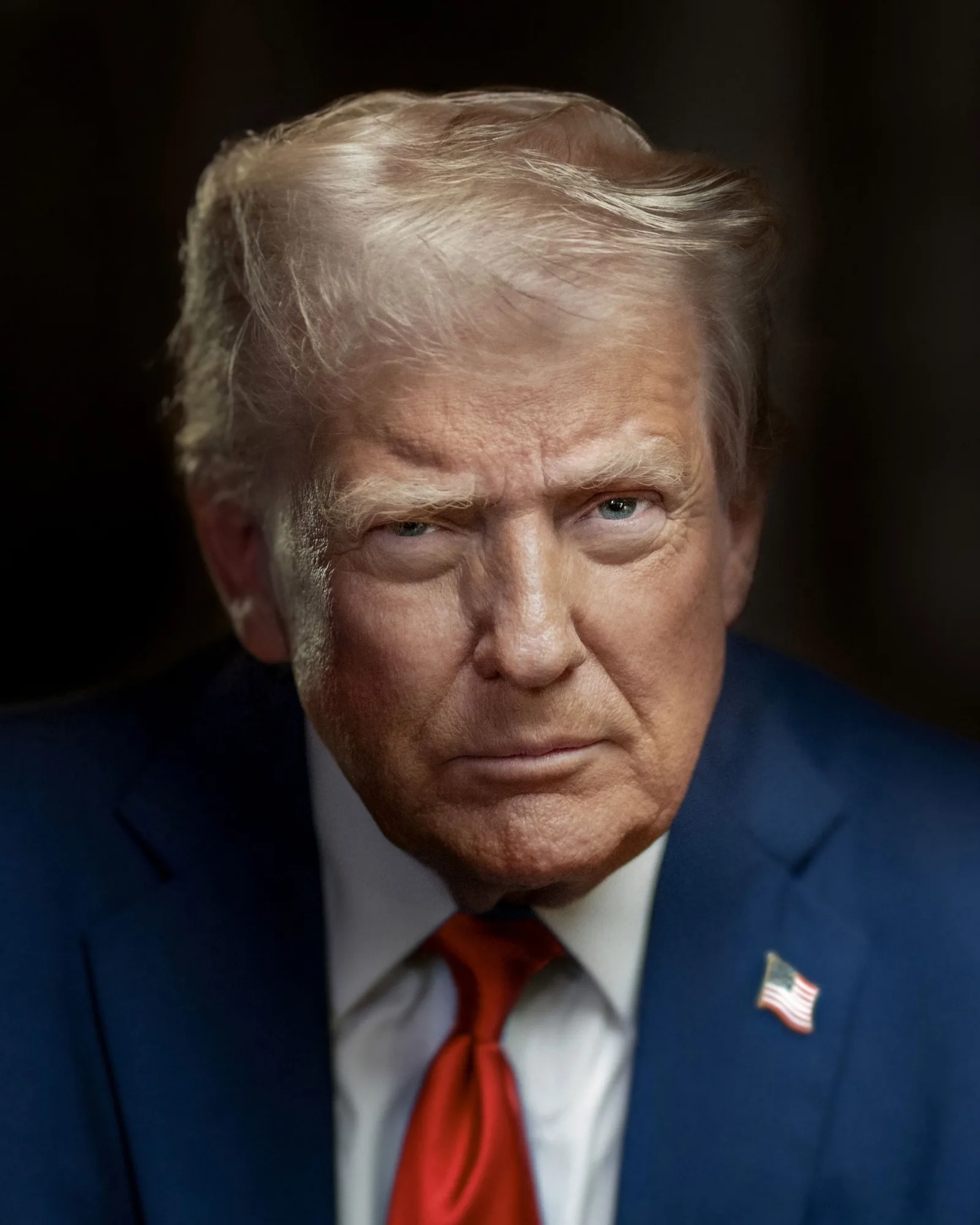 File photo
What happened
Key facts
- Donald Trump campaigned in South Carolina on Wednesday and urged voters to support Republican U.S. Senate candidate Darline Graham.
- Graham is running against Democratic candidate Dr. Annie Andrews in the November 3 midterm election.
- Protesters interrupted Trump more than half a dozen times; he continued his speech.
- Trump said Graham would support his administration’s agenda and Republican priorities.
- Trump said he encouraged Graham to run and acknowledged that entering the race after her brother’s death was a significant decision.
The brief
Donald Trump held a rally in South Carolina to support Darline Graham’s U.S. Senate campaign, urging voters to elect the Republican in the November 3 midterm election. WLOS reported that Trump made the appearance on Wednesday and described it as his second stop in the Carolinas in two days.
The rally’s central message, as reported by WLOS, was that Graham would advance Trump’s administration agenda and Republican priorities if elected. Trump told the crowd that Graham would vote to raise incomes, lower prices, strengthen borders and improve the country’s standing. He also said he had encouraged her to run.
WLOS reported Trump’s remarks at the rally, including his appeal for Graham to come forward and his praise of her. His statements were campaign arguments about what he said she would do in office. The race pits Graham against Democratic candidate Dr. Annie Andrews. WLOS placed the rally ahead of the November 3 midterm election.
Headlines from kdhnews.com, yakimaherald.com and AP News also characterized the appearance as a last-minute boost for Graham’s Senate bid; those headlines do not provide further details about the event. WLOS reported that protesters interrupted Trump more than half a dozen times. Trump continued his speech.
The outlet did not describe the protesters’ messages or report an interruption ending the rally. The Guardian’s headline separately said Trump praised a supporter for allegedly punching a protester during the event. That headline does not establish further details about the allegation. Trump also referred to Graham’s decision to enter the race after her brother’s death.
According to WLOS, Trump said the decision was significant and that he had been pleased she agreed to run. The account does not give additional details about her brother or the circumstances of his death. Greenville Online’s headline described the Senate race as tightening, while Reuters’ headline characterized Trump’s appearance as campaigning for Graham.
Together with the other headlines identifying the rally as a boost, these brief descriptions place the event in the context of the campaign, but do not supply polling figures or explain the race’s standing. The reported next electoral milestone is the November 3 midterm election.
Why it matters
- Graham is seeking a U.S. Senate seat against Democratic candidate Dr. Annie Andrews, making the rally a direct appeal in a named election contest.
- Trump’s campaign message tied a possible Graham vote to income, prices, borders and the country’s international standing; these were claims about her prospective actions, not reported outcomes.
- Protesters interrupted Trump more than half a dozen times, while he continued speaking, showing that interruptions occurred without stopping the speech according to WLOS.
- Trump linked Graham’s entry into the race to her brother’s death and described her decision as significant, adding a personal element to his appeal.
What to watch next
- Whether Graham or Andrews makes further campaign statements before the November 3 midterm election.
- Whether Trump continues publicly campaigning for Graham, as he did at the South Carolina rally.
- Whether Graham addresses Trump’s stated expectations that she would support his administration’s agenda and Republican priorities.
- Whether further campaign coverage substantiates the headline description of the race as tightening.
How it's being covered
Coverage analysisShow details7 source articles · 7 unique outlets · 5 distinct reportsOutlet political mix: Mostly Center· 1 Left · 4 Center · 2 unratedWhere the outlets are based: Unknown 43% · Global 29% · Other 28%
- Coverage is currently concentrated among Center-rated outlets (4 of 5 rated sources); comparatively few Right-rated outlets have published on the event.
2 sources are from a wire service (AP, Reuters, AFP or Bloomberg), whose reporting other outlets often republish.
How outlets' accounts compare
Timeline
Developments from this story's sources, dated background we compiled and fact-checked, and our earlier coverage. Each row says which.- The 17th Amendment, ratified on April 8, 1913, established the direct election of U.S. senators by voters rather than selection by state legislatures.Background · from our historical context
- South Carolina’s Republican presidential primary on February 20, 2016, was an early test of candidates’ support in a state where evangelical voters and party organization were important to Republican campaigning.Background · from our historical context
- Trump later carried South Carolina in the November 8, 2016, presidential election.Background · from our historical context
- The previous South Carolina Senate election was held on November 3, 2020: Republican incumbent Lindsey Graham defeated Democrat Jaime Harrison.Background · from our historical context
- Donald Trump won South Carolina’s Republican presidential primary, defeating former governor Nikki Haley.Background · compiled and fact-checked by Updat3
- Donald Trump won the presidency, and Republicans gained control of the Senate.Background · compiled and fact-checked by Updat3
- Those contests established an electoral record in the state before his return to the White House in January 2025.Background · from our historical context
- Donald Trump was inaugurated for a second, non-consecutive term as U.S. president.Background · compiled and fact-checked by Updat3
How we got here
The previous South Carolina Senate election was held on November 3, 2020: Republican incumbent Lindsey Graham defeated Democrat Jaime Harrison. Trump endorsed Lindsey Graham in that race, an earlier example of his involvement in South Carolina Senate contests; Darline Graham is a different candidate.
South Carolina’s 2026 race takes place within the federal midterm-election system. The 17th Amendment, ratified on April 8, 1913, established the direct election of U.S. senators by voters rather than selection by state legislatures.
Original sources
2 of 7 articles · Global · Show allEvery story links to the reporting it was built from. How we choose sources
Spotted a factual error, a broken link or a misleading summary? Tell us.