
Trump administration eases some tariffs on Canadian goods and adds new levies
The Trump administration lifted tariffs on selected Canadian imports and imposed new levies on carpets, certain valves and waste products. The White House said the exemptions cover plywood sheets, some paper products, certain machinery and refrigeration equipment, with the new measures set to take effect on Oct 30.
AI-assisted synthesis · Based on 5 outlets' reporting · Article text read from 1 of 5 outletsHow it's made
View timeline · 9 entries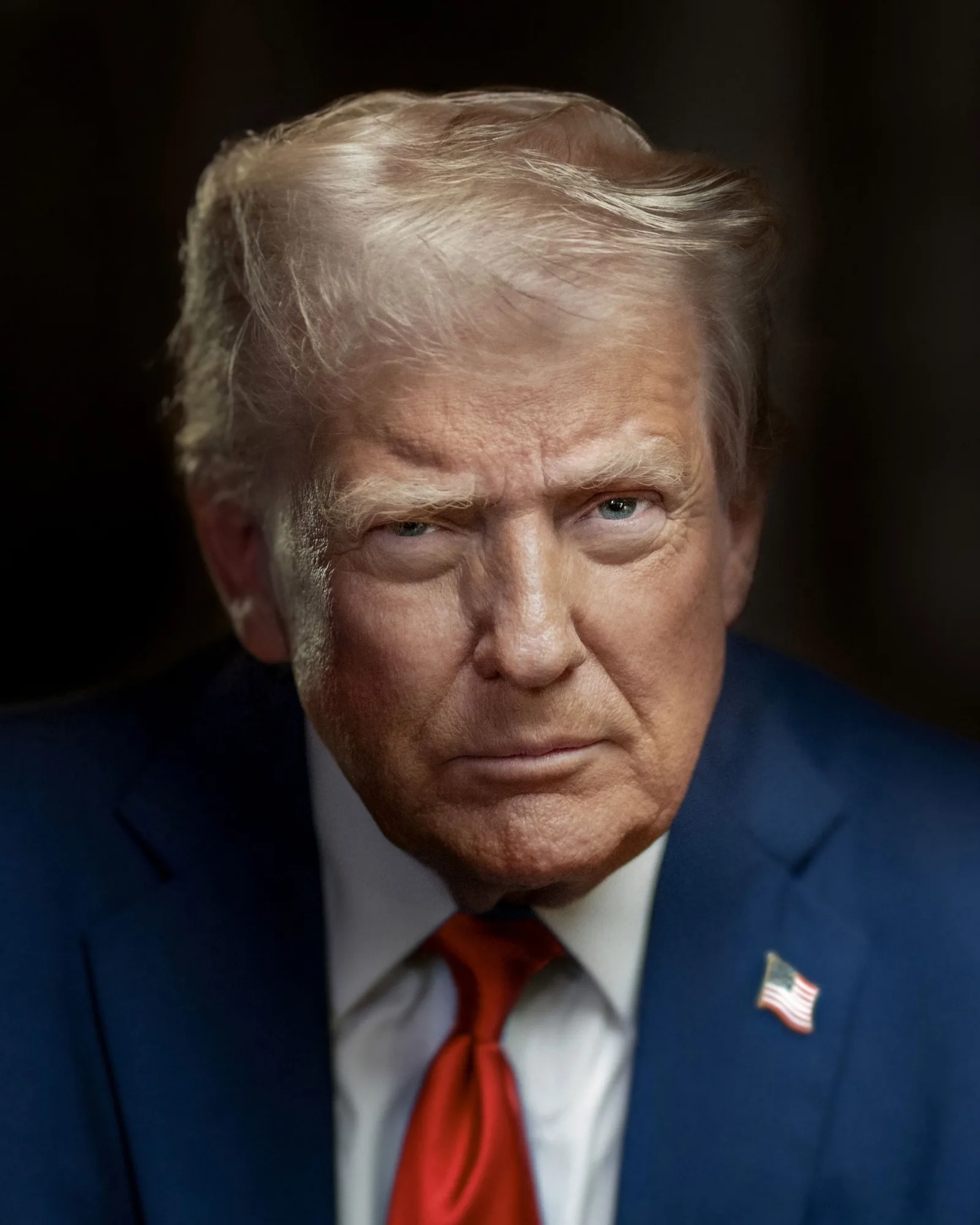 File photo
What happened
Key facts
- The White House said tariff relief covers plywood sheets, some paper products, certain machinery and refrigeration equipment.
- The administration also announced new levies on carpets, certain valves and waste products.
- The article says roughly 70 per cent of Canadian exports go to the United States.
- Trade talks between the United States and Canada broke down in August, after which Trump imposed new tariffs.
- Susan Collins said she secured exemptions for products used by Maine blueberry, potato, apple and seaweed producers.
The brief
The Trump administration lifted some tariffs on Canadian imports on Oct 23 while adding levies on other goods, the White House said. The changes cover selected imports rather than ending tariffs across the board: the administration removed tariffs on some products and imposed new duties on carpets, certain valves and waste products.
The White House said the new measures will take effect on Oct 30. The exemptions include plywood sheets, some paper products, certain machinery and refrigeration equipment, according to the White House statement described by CNA. The account does not identify the specific tariff rates or the quantities of goods covered.
It does, however, describe the measure as a mix of tariff relief and newly imposed levies. Republican Senator Susan Collins said she had lobbied for the change. Collins said the exemptions cover products used by Maine producers of blueberries, potatoes, apples and seaweed.
CNA reports that the administration acted after Collins made her lobbying effort public; its account does not establish that her efforts caused the policy change. CNA described Collins as a vulnerable Republican candidate and said the tariff announcement came two weeks before midterm elections.
The Washington Post headline also connects the tariff rollback to the approaching midterm election. The Wall Street Journal headline characterizes the move as an effort to help Collins, while Newsweek’s headline says she promoted the exemptions during a tight Maine Senate race. Those headline descriptions do not provide further details about the decision or its effects.
CNA says the economies of the United States and Canada are closely connected, with roughly 70 per cent of Canadian exports going to the United States. That figure indicates the scale of Canada’s export relationship with its neighbour, but the account does not say how much trade the tariff changes cover or quantify the effects on producers or exporters.
The article places the tariff announcement after trade talks between the United States and Canada broke down in August. It says Trump then imposed new tariffs. The account does not specify the earlier tariffs’ rates or the goods they covered, so the newly announced exemptions and levies cannot be matched to particular measures from that earlier round.
For now, the stated next step is the scheduled Oct 30 start of the new measures. The White House’s listed categories identify which types of goods receive relief and which face new levies; the account does not provide further implementation details.
Why it matters
- Canadian exporters face a changed tariff mix: some imports into the United States receive relief, while carpets, certain valves and waste products face new levies.
- Maine producers of blueberries, potatoes, apples and seaweed are identified by Susan Collins as users of products covered by the exemptions.
- The article says roughly 70 per cent of Canadian exports go to the United States, making the bilateral trade relationship a significant channel for the tariff changes.
What to watch next
- Whether the new levies on carpets, certain valves and waste products take effect on Oct 30 as scheduled.
- How the White House applies the exemptions to plywood sheets, some paper products, certain machinery and refrigeration equipment.
- Whether Susan Collins makes further statements about the exemptions she said she lobbied for.
How it's being covered
Coverage analysisShow details5 source articles · 5 unique outletsOutlet political mix: Mixed· 2 Left · 2 Center · 1 RightWhere the outlets are based: US/Canada 80% · Asia 20%
- Coverage is currently concentrated among outlets based in US/Canada (4 of 5 geographically-identified sources).
How outlets' accounts compare
Timeline
Developments from this story's sources, dated background we compiled and fact-checked, and our earlier coverage. Each row says which.- Canada and the United States signed a bilateral free-trade agreement.Background · compiled and fact-checked by Updat3
- NAFTA, the USMCA’s predecessor, took effect on January 1, 1994.Background · from our historical context
- The North American Free Trade Agreement took effect.Background · compiled and fact-checked by Updat3
- President Donald Trump announced tariffs on steel and aluminum under Section 232.Background · compiled and fact-checked by Updat3
- U.S. steel and aluminum tariffs took effect for Canada.Background · compiled and fact-checked by Updat3
- Canada responded on July 1, 2018, with retaliatory tariffs on selected U.S. goods.Background · from our historical context
- The United States and Canada announced an agreement to end the steel and aluminum tariffs and related retaliation.Background · compiled and fact-checked by Updat3
- The United States and Canada lifted the steel and aluminum tariffs and related retaliation.Background · compiled and fact-checked by Updat3
- The broader trade framework is the United States-Mexico-Canada Agreement (USMCA), which replaced the North American Free Trade Agreement (NAFTA) on July 1, 2020.Background · from our historical context
How we got here
The closest precedent for U.S. tariffs on Canadian goods was the 2018 dispute over steel and aluminum. On March 8, 2018, President Donald Trump announced tariffs under Section 232 of the Trade Expansion Act of 1962, citing national-security grounds; the duties took effect for Canada on June 1. Canada responded on July 1, 2018, with retaliatory tariffs on selected U.S. goods.
On May 17, 2019, the United States and Canada announced an agreement to end the steel and aluminum tariffs and related retaliation, and the measures were lifted on May 20. The broader trade framework is the United States-Mexico-Canada Agreement (USMCA), which replaced the North American Free Trade Agreement (NAFTA) on July 1, 2020.
Original sources
4 of 5 articles · US/Canada · Show allEvery story links to the reporting it was built from. How we choose sources
Spotted a factual error, a broken link or a misleading summary? Tell us.