
Trump says his administration will end methane limits on oil drilling
President Donald Trump said his administration is ending a Biden-era rule intended to reduce methane emissions from oil and gas drilling. He said the change would save $45 billion in costs and make 210 million barrels of oil available.
AI-assisted synthesis · Based on 2 independent reports from 4 outlets · Article text read from 1 of 2 reportsHow it's made
View timeline · 8 entries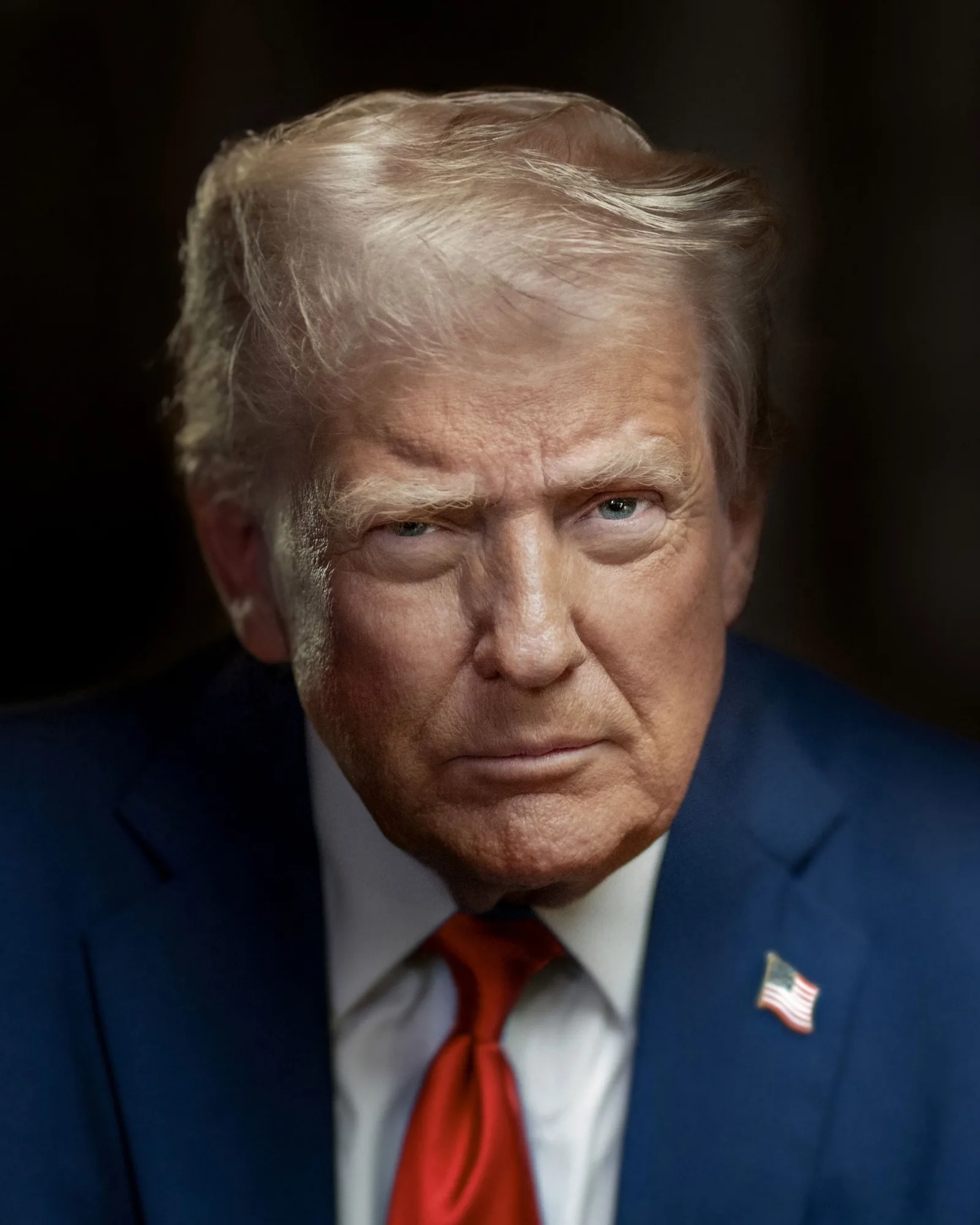 File photo
What happened
Key facts
- President Donald Trump said his administration is ending restrictions on methane emissions from oil drilling (per wsls.com, thehour.com, couriernews.com).
- Trump said the change would save consumers and energy producers $45 billion in costs (per wsls.com).
- Trump said ending the rule would unlock 210 million barrels of oil, an amount equivalent to about 10 days of U.S. petroleum consumption (per wsls.com).
- Trump said the Biden administration’s plan had burdened small operators with regulations (per wsls.com).
- The methane rule’s final version was published in 2024 (per wsls.com).
The brief
President Donald Trump said his administration is terminating a Biden-era rule aimed at reducing methane emissions from oil and gas drilling. He announced the move at a campaign rally in Lubbock, Texas, where he was campaigning for Texas Republican Senate candidate Ken Paxton. The announcement concerns restrictions on methane, a climate-warming gas, from oil and gas operations.
Trump said the change would save consumers and energy producers $45 billion in costs. He also said it would unlock 210 million barrels of oil, which the WSLS account equates to about 10 days of U.S. petroleum consumption. These are Trump’s estimates of the change’s financial and supply effects.
At the rally, Trump characterized the Biden administration’s plan as especially burdensome for smaller operators, saying it had “crushed the small operators” with regulations. He described the methane rules as expensive and unnecessary.
His remarks set out his stated case for ending the restrictions: lower costs for consumers and energy producers, more oil available, and less regulatory pressure on smaller operators. The account also reports a separate estimate from Zeldin, who said the methane rule would have cost $18 billion and was holding back the U.S. energy industry.
That figure differs from Trump’s $45 billion estimate: the account does not specify the basis for either calculation or explain whether the estimates cover the same costs. Both figures are presented as claims about the rule’s costs, not as independently established savings. The rule’s final version was published in 2024.
Trump said his administration is terminating it, but the account gives no further procedural details about how the administration will carry out that decision. The announcement was made at a campaign event, and the stated cost and oil-supply figures were offered by Trump and Zeldin as arguments about the rule.
The immediate issues to follow are whether the administration takes steps to end the rule and how it addresses the projected costs and oil volumes cited by Trump and Zeldin. The report does not establish what regulatory action will follow the announcement or when it will occur.
Why it matters
- Trump’s stated estimate is that ending the rule would save consumers and energy producers $45 billion in costs.
- Trump said the change would make 210 million barrels of oil available, equivalent to about 10 days of U.S. petroleum consumption.
- Zeldin’s separate estimate put the rule’s cost at $18 billion and said it was holding back the U.S. energy industry.
- Trump specifically argued that the regulations burdened small operators.
What to watch next
- Whether the Trump administration takes steps to terminate the methane rule.
- Whether the administration provides details on the regulatory action it intends to take.
- How the administration addresses the $45 billion cost-saving estimate Trump cited.
- How the administration addresses the $18 billion cost estimate Zeldin cited.
How it's being covered
Coverage analysisShow details5 source articles · 4 unique outlets · 1 distinct reportOutlet political mix: Center Only· 4 CenterWhere the outlets are based: US/Canada 50% · Global 25% · Other 25%
- Coverage is currently concentrated among Center-rated outlets (4 of 4 rated sources); comparatively few Left or Right-rated outlets have published on the event.
One source is from a wire service (AP, Reuters, AFP or Bloomberg), whose reporting other outlets often republish.
How outlets' accounts compare
Timeline
Developments from this story's sources, dated background we compiled and fact-checked, and our earlier coverage. Each row says which.- President Richard Nixon signed the Clean Air Act into law.Background · compiled and fact-checked by Updat3
- The Energy Information Administration reported that the United States became the world’s largest producer of petroleum and natural gas hydrocarbons in 2013.Background · from our historical context
- In 2016, the Obama administration expanded those standards to cover methane from new and modified oil-and-gas operations.Background · from our historical context
- On September 14, 2020, the Trump EPA finalized a rollback that removed methane-specific requirements for parts of the industry and rescinded rules covering transmission and storage facilities.Background · from our historical context
- Congress established a separate financial mechanism in the Inflation Reduction Act, signed on August 16, 2022.Background · from our historical context
- The methane rule’s final version was published in 2024.
- Donald Trump won the presidency, and Republicans gained control of the Senate.Background · compiled and fact-checked by Updat3
- Donald Trump was inaugurated for a second, non-consecutive term as U.S. president.Background · compiled and fact-checked by Updat3
How we got here
The immediate backdrop was the Environmental Protection Agency’s March 8, 2024, publication of final methane standards for the oil and natural-gas industry. The 2024 standards rested on the Clean Air Act, signed by President Richard Nixon on December 31, 1970.
Under that law, EPA can regulate pollution from industrial sources, including emissions that contribute to climate change. In 2016, the Obama administration expanded those standards to cover methane from new and modified oil-and-gas operations.
Original sources
3 of 5 articles · US/Canada · Show allEvery story links to the reporting it was built from. How we choose sources
Spotted a factual error, a broken link or a misleading summary? Tell us.