
Trump says Iran wants war to last beyond November elections
Donald Trump said Iran hopes the war with the United States will continue beyond November, calling that prospect a “dream.” He said the war would end soon and oil prices would then fall sharply.
AI-assisted synthesis · Based on 5 outlets' reporting · Article text read from 1 of 5 outletsHow it's made
View timeline · 9 entries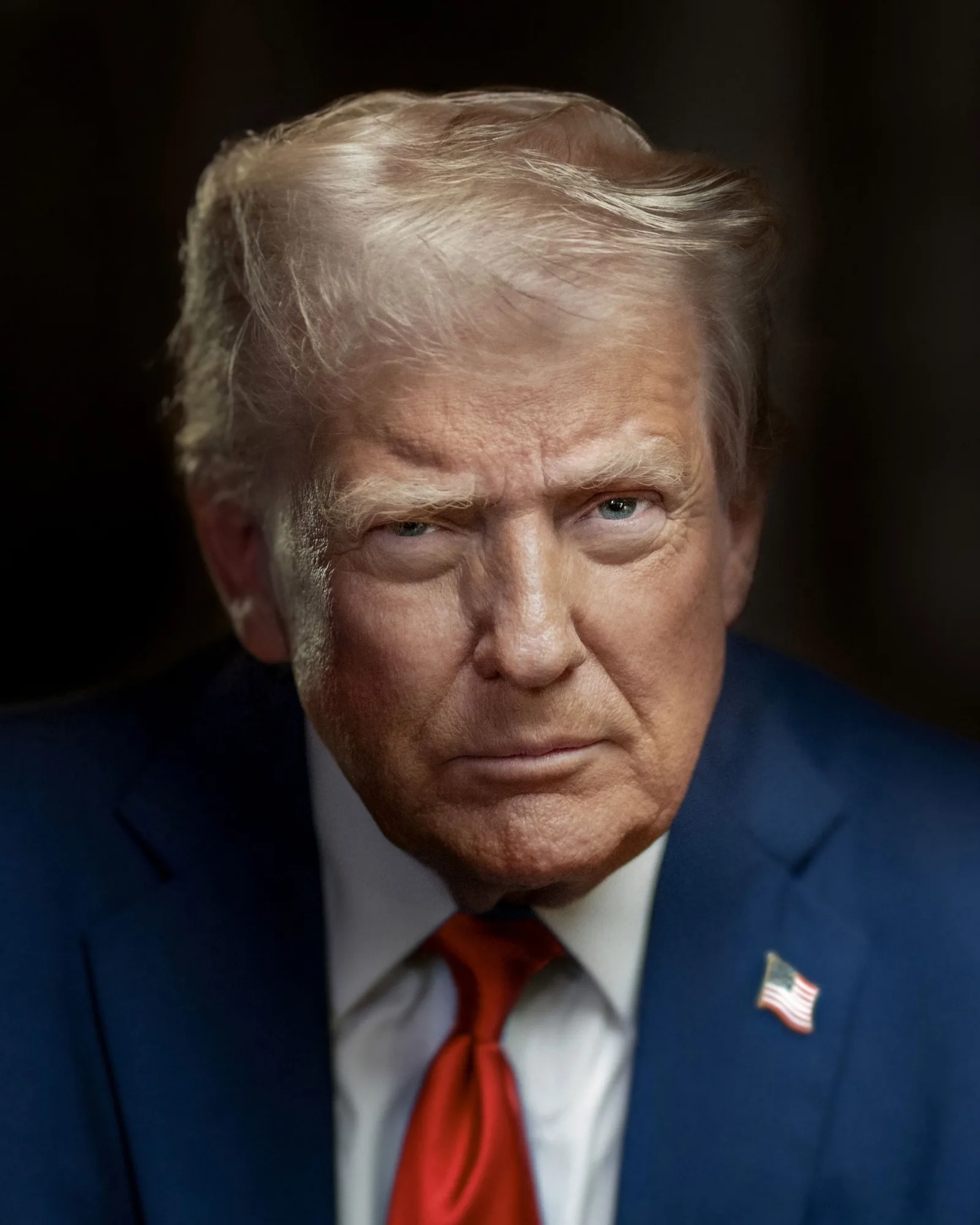 File photo
What happened
Key facts
- Donald Trump said Iran hopes the war with the United States will continue beyond November and described that prospect as a “dream.” (per 8am.media, Middle East Eye, livenowfox.com).
- Trump said the war would end “very soon” and that oil prices would drop sharply once it ended (per 8am.media).
- Trump has repeatedly said the war with Iran would end “soon,” but it had not ended at the time of the account (per 8am.media).
The brief
Donald Trump said Iran hopes the war with the United States will continue beyond November, calling that prospect a “dream.” The statement presents Trump’s account of Iran’s intentions; the 8am.media report does not include a statement from Iran confirming that characterization. Al Jazeera reported that Trump made the remarks at a campaign rally in North Carolina.
Trump also said the war would end “very soon.” He predicted that oil prices would drop sharply once the fighting ended, linking the expected price fall to the end of the war. The account supplies no price figures, so his forecast is qualitative rather than a quantified estimate.
In the same remarks, Trump called the rise in oil prices a “very small price to pay” to prevent Iran from obtaining nuclear weapons. That is his characterization of the economic cost and the purpose of the war; the report does not provide a separate assessment of either the price impact or Iran’s nuclear program.
The account notes that Trump has made repeated statements that the war would end “soon,” while the war had not ended at the time of reporting. It gives no further details about changes in the fighting or steps toward ending it. Trump’s latest prediction therefore sits alongside earlier assurances of a near-term end that had not yet been followed by an end to the war.
The remarks center on two claims: that Iran wants the conflict to extend past November, and that oil prices will fall sharply after it ends. The report attributes both the characterization of Iran’s intentions and the forecast about prices to Trump, rather than presenting them as independently established facts.
Other listed headlines touch on related political or economic framing without supplying further details about the rally or Trump’s comments.
PolitiFact’s headline refers to fact-checking claims about an Iran war vote and midterm attacks by Democrats; LiveNOW from FOX’s headline quotes Trump using a forceful phrase about Iran; and The Telegraph’s headline frames the war through its effect on a Hawaiian dream. Those headlines do not add details to the account of the North Carolina remarks.
Why it matters
- By portraying the war’s duration as tied to the November elections, Trump frames the conflict as a test of political endurance, potentially increasing pressure on U.S. leaders over military costs and the risks to service members and civilians. A prolonged war could also sustain uncertainty in oil markets; Trump’s prediction that prices would fall after it ends is not a guarantee.
What to watch next
- Whether the war ends, as Trump said it would very soon.
- Whether oil prices fall sharply after the war ends, as Trump predicted.
- Whether Iran publicly confirms or disputes Trump’s claim about its hopes for the war to continue beyond November.
How it's being covered
Coverage analysisShow details5 source articles · 5 unique outletsOutlet political mix: Mostly Right· 1 Left · 2 Right · 2 unratedWhere the outlets are based: Unknown 60% · Europe 20% · Other 20%
One source is from a wire service (AP, Reuters, AFP or Bloomberg), whose reporting other outlets often republish.
How outlets' accounts compare
Timeline
Developments from this story's sources, dated background we compiled and fact-checked, and our earlier coverage. Each row says which.- The roots of the US-Iran rupture reach back to August 19, 1953, when a CIA- and MI6-backed coup overthrew Prime Minister Mohammad Mosaddegh and strengthened Shah Mohammad Reza Pahlavi’s rule.Background · from our historical context
- The 1979 Iranian Revolution ended the monarchy and the Shah-era alliance with Washington; the US hostage crisis began on November 4, 1979.Background · from our historical context
- Iran and six world powers agreed to the Joint Comprehensive Plan of Action, which limited Iran’s nuclear activities in return for sanctions relief.Background · compiled and fact-checked by Updat3
- On May 8, 2018, President Donald Trump announced that the United States would withdraw from the agreement and reimpose sanctions.Background · from our historical context
- Iran began exceeding some JCPOA nuclear limits in 2019, saying it was responding to the US withdrawal.Background · from our historical context
- The strikes followed direct exchanges between Iran and Israel in 2024, after years in which the countries had confronted one another through regional allies and covert activity.Background · from our historical context
- On April 1, 2024, a strike on an Iranian diplomatic compound in Damascus killed senior officers of Iran’s Islamic Revolutionary Guard Corps.Background · from our historical context
- Israel struck Iranian military targets after Iran launched a ballistic-missile attack on Israel earlier that month.Background · compiled and fact-checked by Updat3
- On February 28, 2026, the United States and Israel launched coordinated strikes on Iranian power plants, air defenses and military infrastructure, beginning the current war.Background · from our historical context
How we got here
On February 28, 2026, the United States and Israel launched coordinated strikes on Iranian power plants, air defenses and military infrastructure, beginning the current war. The strikes followed direct exchanges between Iran and Israel in 2024, after years in which the countries had confronted one another through regional allies and covert activity.
On April 1, 2024, a strike on an Iranian diplomatic compound in Damascus killed senior officers of Iran’s Islamic Revolutionary Guard Corps. Iran said its April 13 drone and missile attack on Israel was a response; Israel and its partners intercepted most of the incoming weapons.
Original sources
1 of 5 articles · Europe · Show allEvery story links to the reporting it was built from. How we choose sources
Spotted a factual error, a broken link or a misleading summary? Tell us.