
Trump waives new Russia sanctions and tariffs ahead of Oct. 18 deadline
President Donald Trump signed an executive order waiving new sanctions and tariffs on Russia required by law, ABC News reported. The order leaves existing sanctions in place but gives the administration more latitude over which measures to retain, according to the outlet.
AI-assisted synthesis · Based on 5 outlets' reporting · Article text read from 1 of 5 outletsHow it's made
View timeline · 8 entries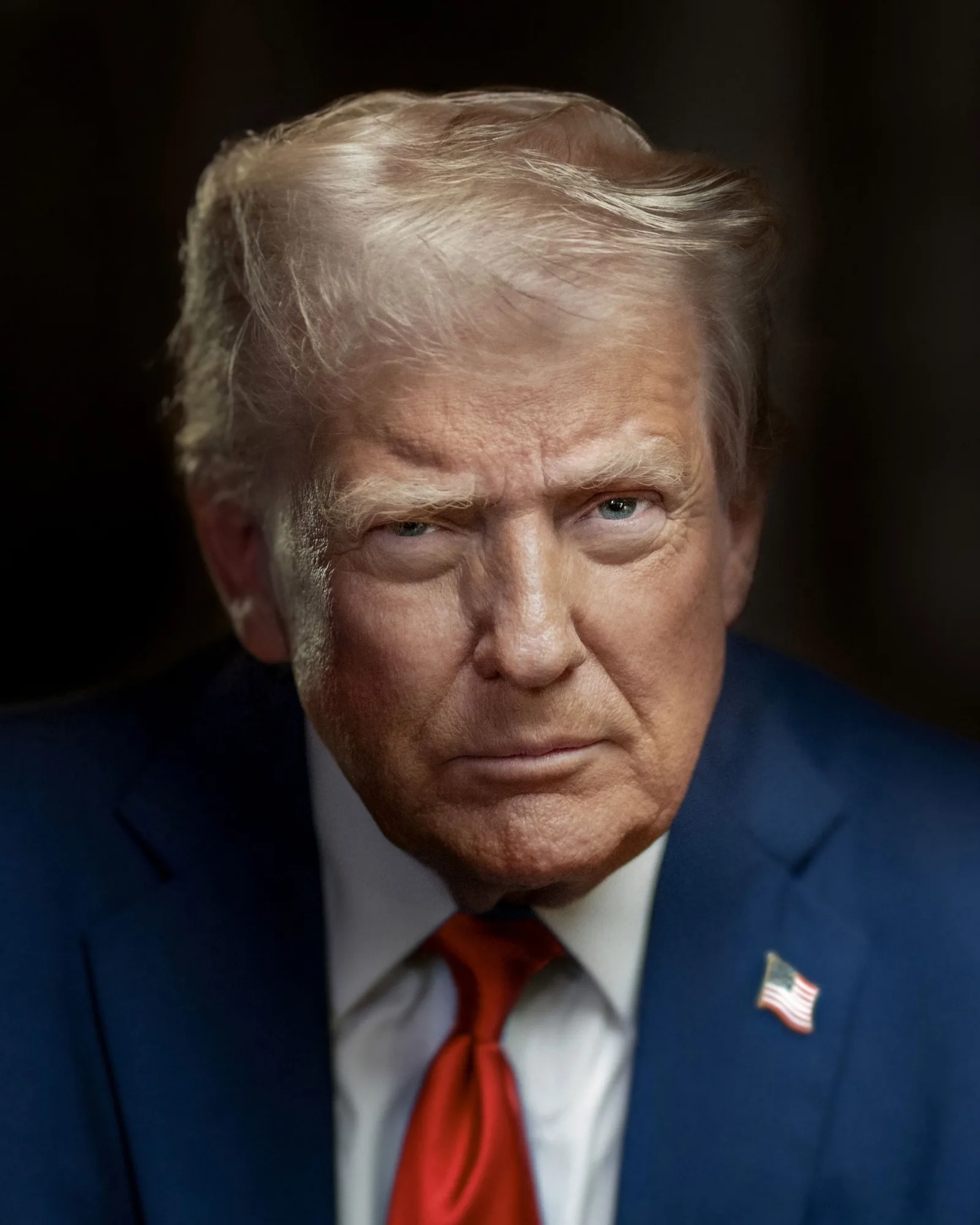 File photo
What happened
Key facts
- President Donald Trump signed an executive order waiving new sanctions and tariffs on Russia required under the law named after Sen. Lindsey Graham (per abcnews.com).
- The new sanctions and tariffs were due to take effect on Oct. 18 (per abcnews.com).
- Trump signed the order two days before the new sanctions and tariffs were due to take effect (per abcnews.com).
- The order does not lift sanctions already imposed against Russia (per abcnews.com).
- ABC News said the order removes provisions that barred the president from lifting sanctions against Russia and prevents new sanctions and penalties from taking effect (per abcnews.com).
- ABC News said the order gives the administration greater latitude to decide which sanctions to keep in place without the law’s requirements (per abcnews.com).
- The Washington Post reported that Trump signed an executive order waiving sanctions against Russia (per The Washington Post, abcnews.com).
- France 24 reported that Russia hailed Trump’s sanctions waiver as “historic.” (per France 24).
- Euronews reported that Trump signed an executive order waiving a new Russia sanctions package (per Euronews, abcnews.com, The Washington Post).
- The New York Times reported that Trump signed an order exempting Russia from a sanctions law (per The New York Times, abcnews.com).
The brief
President Donald Trump signed an executive order waiving new sanctions and tariffs on Russia required under a law named after the late Sen. Lindsey Graham, ABC News reported. The outlet said the order came two days before the measures were due to take effect on Oct. 18.
The Washington Post and The New York Times also described the action in their headlines as an order waiving sanctions or exempting Russia from a sanctions law, while Euronews characterized it as a waiver of a new Russia sanctions package. ABC News reported that the order does not remove sanctions already imposed against Russia.
Instead, it prevents the new sanctions and penalties from taking effect and changes how the law’s restrictions apply to the president’s ability to lift sanctions, according to the outlet. The article said the law had barred the president from removing sanctions against Russia.
ABC News described the executive order as lifting that limitation and said it gives the administration greater latitude to decide which sanctions to retain without following the law’s requirements. The outlet characterized this change as effectively neutralizing the law. That is ABC News’ description of the order’s effect.
The timing is tied to the statutory deadline described by ABC News: the new sanctions and tariffs were set to begin on Oct. 18, and Trump signed the order two days beforehand. The article does not describe any other action that triggered the order or provide a reason for Trump’s decision.
France 24’s headline reported that Russia hailed the waiver as “historic.” The headline does not identify who in Russia made that characterization. It also does not explain the basis for the description. The headline-level account establishes that France 24 reported the characterization, but supplies no further detail about Russia’s position.
The immediate distinction in ABC News’ account is between existing sanctions, which remain in place, and new measures that the order prevents from taking effect. The outlet said the administration now has more latitude over which sanctions to keep, while the order does not itself lift the current sanctions. ABC News described the story as developing.
Why it matters
- By waiving the measures, Trump avoids an immediate expansion of economic pressure on Russia, leaving Russian businesses and officials outside the reach of the new penalties for now while existing sanctions remain. The order also gives the administration more discretion to ease or maintain sanctions, reducing Congress’s ability to lock in a tougher policy and making future pressure on Moscow less predictable for allies and companies assessing Russia-related risks.
What to watch next
- In the next several days, Treasury and State Department officials may clarify which existing Russia sanctions remain in force and whether any new designations are planned under the executive order.
- Over the coming weeks, Sen. Lindsey Graham and other lawmakers may seek briefings, hearings, or legislation to challenge the waiver or constrain the administration’s discretion.
- Watch for statements from the Kremlin and any concrete changes in Russian policy or conduct that the White House cites when explaining its sanctions decisions.
- European governments may consult with Washington in the coming weeks about maintaining coordinated sanctions on Russia; watch for joint statements or announced changes to their own measures.
How it's being covered
Coverage analysisShow details6 source articles · 5 unique outletsOutlet political mix: Mixed· 2 Left · 3 CenterWhere the outlets are based: US/Canada 60% · Europe 40%
How outlets' accounts compare
Timeline
Developments from this story's sources, dated background we compiled and fact-checked, and our earlier coverage. Each row says which.- In 1990, US and West German officials discussed NATO’s future role with Soviet leaders during German reunification; the scope and significance of those assurances became disputed in later accounts.Background · from our historical context
- Russia’s 2014 annexation of Crimea followed Ukraine’s Euromaidan protests and the February 2014 removal of President Viktor Yanukovych.Background · from our historical context
- Russia seized and annexed Crimea.Background · compiled and fact-checked by Updat3
- The United States imposed sanctions on Russian officials and others after Russia took control of Crimea.Background · compiled and fact-checked by Updat3
- The Countering America’s Adversaries Through Sanctions Act (CAATSA), signed by President Donald Trump on August 2, 2017, codified and expanded sanctions related to Russia, Iran, and North Korea.Background · from our historical context
- Russia launched its full-scale invasion of Ukraine.Background · compiled and fact-checked by Updat3
- Senators Lindsey Graham and Richard Blumenthal introduced a bipartisan bill proposing sanctions on Russia and tariffs on countries buying Russian oil.Background · compiled and fact-checked by Updat3
- President Donald Trump signed the Graham Act, which included sanctions and tariffs intended to increase pressure on Russia.Background · compiled and fact-checked by Updat3
How we got here
The immediate backdrop to the 2025 US sanctions debate was the sanctions regime imposed after Russia’s full-scale invasion of Ukraine on February 24, 2022. The Countering America’s Adversaries Through Sanctions Act (CAATSA), signed by President Donald Trump on August 2, 2017, codified and expanded sanctions related to Russia, Iran, and North Korea.
Among other provisions, it constrained the president’s ability to ease certain Russia sanctions without congressional review. The 2017 law followed US sanctions adopted after Russia’s 2014 annexation of Crimea and interference in Ukraine. Russia’s 2014 annexation of Crimea followed Ukraine’s Euromaidan protests and the February 2014 removal of President Viktor Yanukovych.
Original sources
6 articles from 5 outletsEvery story links to the reporting it was built from. How we choose sources
Spotted a factual error, a broken link or a misleading summary? Tell us.