
Trump says US may launch more strikes on Iran, rules out nuclear weapon
Donald Trump said the United States may conduct additional strikes on Iran, saying the US had already hit Iran hard. He also said the United States could not allow Iran to obtain a nuclear weapon and that Washington was not negotiating with Tehran.
AI-assisted synthesis · Based on 5 outlets' reporting · Article text read from 1 of 5 outletsHow it's made
View timeline · 7 entries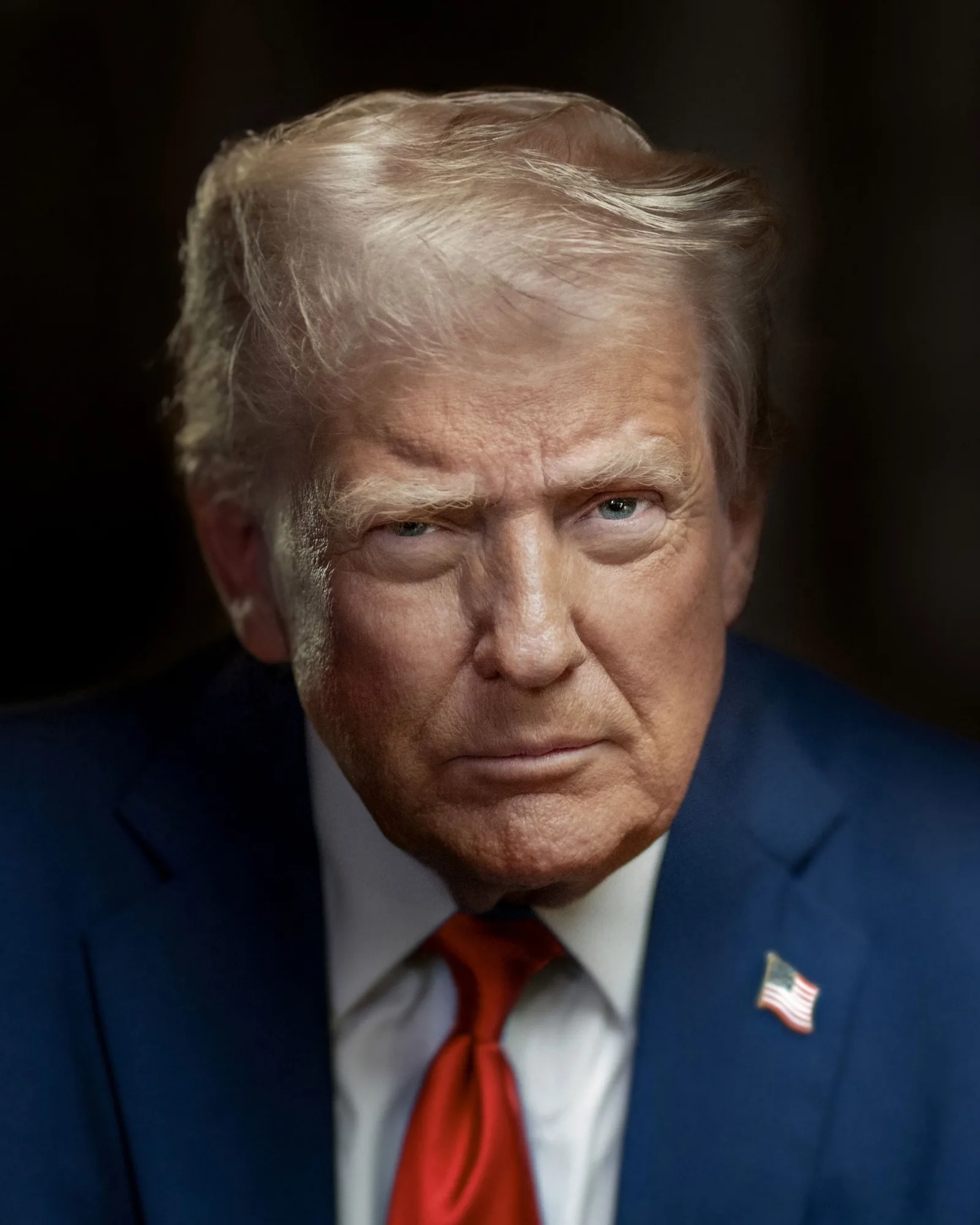 File photo
What happened
Key facts
- Trump said the United States may launch further strikes on Iran (per aa.com.tr, Middle East Eye, operativmm.az).
- Trump told reporters at the White House that the United States had hit Iran hard and might go further (per aa.com.tr).
- Trump said public reaction to the war was mixed, saying some supported his actions while others might not (per aa.com.tr).
- Trump said there was a price to pay for his decision and that the United States could not allow Iran to have a nuclear weapon (per aa.com.tr).
- On Wednesday, Trump said the United States was not negotiating with Iran and that something would happen fairly soon (per aa.com.tr, Middle East Eye, ANI).
- The United States and Israel launched a war against Iran on Feb. 28 (per aa.com.tr).
- The article says Tehran responded to the US-Israeli war with missile and drone attacks in the region and effectively closed the Strait of Hormuz (per aa.com.tr).
- ANI's headline says Trump stated Iran would never have a nuclear weapon (per ANI, aa.com.tr, Middle East Eye).
The brief
Donald Trump said the United States may carry out further strikes on Iran, describing the US campaign as having already hit Iran hard. He made the remarks to reporters at the White House before leaving for a campaign rally in Iowa, according to Anadolu Agency. His comments indicate the possibility of additional US military action, but he did not specify what it would involve.
Trump linked his position to preventing Iran from obtaining a nuclear weapon, saying the United States could not allow that outcome. He also said there was a price to pay for his decision and that he had understood this from the outset. The comments present his rationale and assessment; they do not establish what action Washington will take next.
Asked about public reaction to the war, Trump described it as mixed. He said some people supported his actions because, in his view, other presidents should have acted earlier, while others might not support them. Those remarks were his characterization of public opinion; no polling figures were provided in the account.
The possibility of further strikes follows Trump’s earlier statement, made on Wednesday, that Washington was not negotiating with Tehran. He said then that “something one way or the other” would happen “fairly soon.” He did not specify what that meant or identify a date for a decision.
Anadolu Agency also reported that the United States and Israel launched a war against Iran on Feb. 28; the article does not give further details about the military operations. The same account says Tehran responded to the US-Israeli war with missile and drone attacks in the region and effectively closed the Strait of Hormuz.
It describes the waterway as a key route for global energy supplies. The account supplies no casualty figures or details about the effects of the closure, so those consequences cannot be quantified here. Trump’s remarks leave the next step with Washington: he has publicly raised the prospect of more strikes while saying the United States is not negotiating with Iran.
Middle East Eye and Operativ Məlumat Mərkəzi also headlined the possibility of further US strikes; ANI’s headline separately says Trump asserted Iran would never have a nuclear weapon. Those headlines do not provide additional detail about any planned operation or decision.
Why it matters
- The account identifies the Strait of Hormuz as a key route for global energy supplies and says Tehran effectively closed it after the US-Israeli war began.
- Further US strikes remain a possibility raised by Trump, who said Washington could not allow Iran to obtain a nuclear weapon.
- Trump described public reaction to the war as mixed, while giving no polling figures.
What to watch next
- Whether Washington carries out further strikes on Iran, as Trump said it may.
- What Trump meant by saying on Wednesday that “something one way or the other” would happen “fairly soon.”
- Whether Washington continues to rule out negotiations with Tehran, as Trump said it was not negotiating.
How it's being covered
Coverage analysisShow details5 source articles · 5 unique outletsOutlet political mix: Mostly Left· 2 Left · 1 Right · 2 unratedWhere the outlets are based: Middle East 40% · Asia 40% · Other 20%
How outlets' accounts compare
Timeline
Developments from this story's sources, dated background we compiled and fact-checked, and our earlier coverage. Each row says which.- Iran signed the Nuclear Non-Proliferation Treaty.Background · compiled and fact-checked by Updat3
- Iran’s revolution overthrew the monarchy and established the Islamic Republic.Background · compiled and fact-checked by Updat3
- The seizure of the US Embassy in Tehran on November 4, 1979, and the 444-day hostage crisis that followed profoundly altered US-Iran relations.Background · from our historical context
- In 2002, Iranian opposition groups publicly disclosed the existence of previously undeclared nuclear facilities at Natanz and Arak.Background · from our historical context
- On July 14, 2015, Iran and the United States, China, France, Germany, Russia, the United Kingdom and the European Union concluded the Joint Comprehensive Plan of Action (JCPOA).Background · from our historical context
- On May 8, 2018, President Donald Trump announced that the United States would withdraw from the JCPOA and restore US sanctions.Background · from our historical context
- The United States and Israel launched a war against Iran on Feb. 28.
How we got here
The immediate backdrop was the war that began on February 28, 2026, when the United States and Israel launched coordinated strikes on Iran, including attacks on power plants, air defenses and military infrastructure. Iran then carried out missile and drone attacks in the region and effectively closed the Strait of Hormuz, according to the source context.
The 1968 Nuclear Non-Proliferation Treaty, which Iran signed in 1968 and ratified in 1970, established obligations for non-nuclear-weapon states and safeguards monitored by the International Atomic Energy Agency (IAEA). In 2002, Iranian opposition groups publicly disclosed the existence of previously undeclared nuclear facilities at Natanz and Arak.
Original sources
5 articles from 5 outletsEvery story links to the reporting it was built from. How we choose sources
Spotted a factual error, a broken link or a misleading summary? Tell us.