
Trump says El-Sayed would face metal detectors entering the Senate
At a Michigan rally, Donald Trump said Abdul El-Sayed would be the only senator required to pass through a metal detector before entering the Senate. The Sydney Morning Herald also reports that Trump called on Michigan voters to prevent what he described as a jihadist from entering the Senate.
AI-assisted synthesis · Based on 5 outlets' reporting · Article text read from 1 of 5 outletsHow it's made
View timeline · 8 entries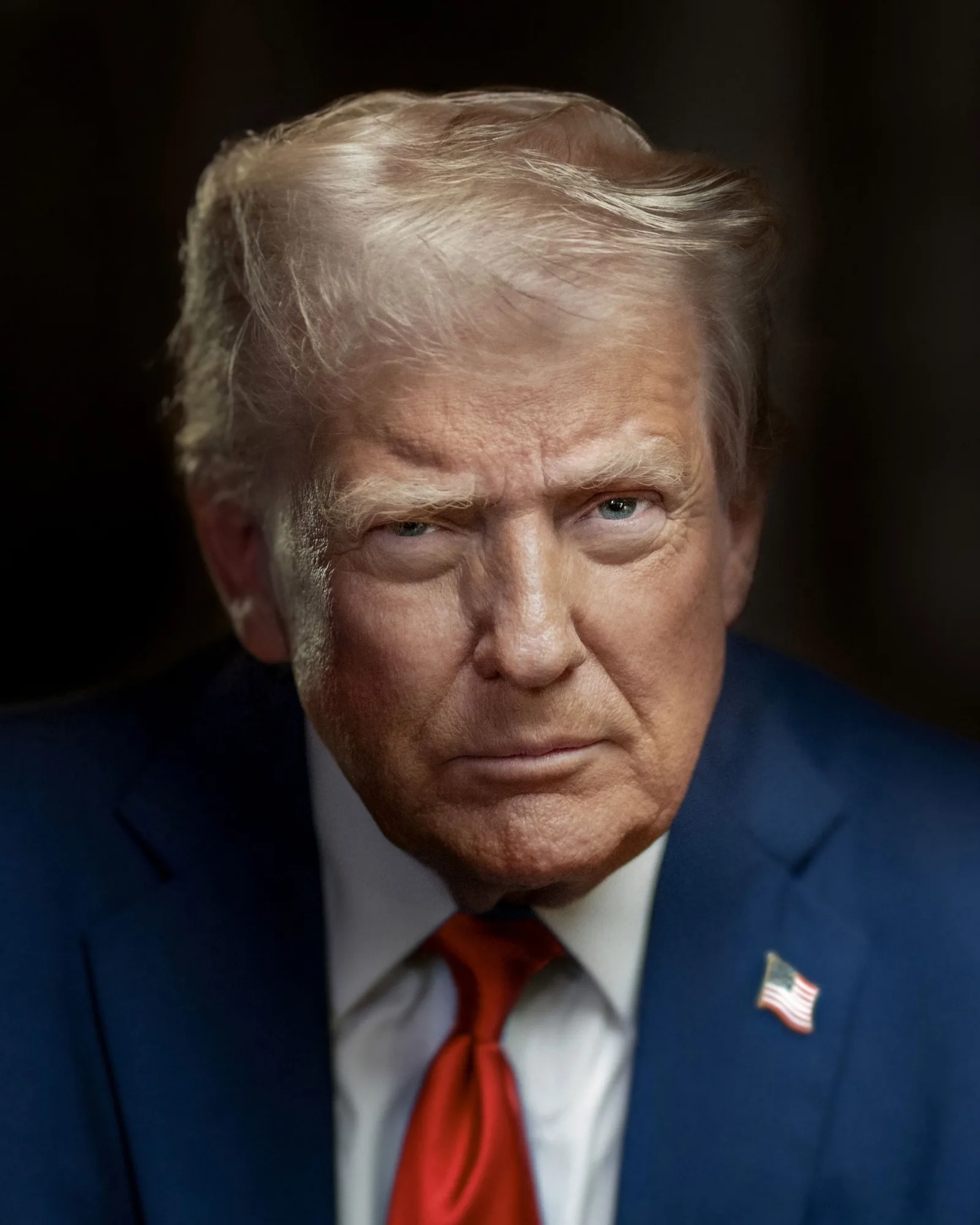 File photo
What happened
Key facts
- At a rally in Michigan on Sunday, Donald Trump said Abdul El-Sayed would be the only senator required to pass through a metal detector before entering the Senate (per The Sydney Morning Herald).
- Trump said Michigan voters must vote to stop a person he described as a jihadist from entering the U.S. Senate (per The Sydney Morning Herald, news.az).
- The Sydney Morning Herald said Trump was slow to disavow groups it described as jihadist and argued that he should not have to.
- The Sydney Morning Herald described Hasan Piker as Trump's friend and a Marxist podcaster, and said Trump distanced himself from Piker's remarks (per The Sydney Morning Herald).
- Trump called Hasan Piker “a nasty guy” and said he was worse than Trump (per The Sydney Morning Herald).
- WKMG's headline said Trump's remarks drew an Arab American rebuke (per clickorlando.com).
- News.az's headline said Barack Obama backed El-Sayed in the Michigan Senate race (per news.az, The Sydney Morning Herald).
The brief
Donald Trump said Abdul El-Sayed would face a metal detector before entering the U.S. Senate if elected, describing him as the only senator who would have to undergo such screening. The Sydney Morning Herald reported that Trump made the remark at a rally in Michigan on Sunday. Trump also urged Michigan voters to prevent what he called a jihadist from entering the Senate.
He invoked the September 11, 2001 attacks, describing them as terrorist attacks carried out against the United States by Islamic jihadists. The Sydney Morning Herald’s account connects those remarks to Trump’s appeal to voters, while NPR and WKMG framed his comments about El-Sayed as anti-Muslim attacks.
The Sydney Morning Herald said Trump was slow to disavow groups it described as jihadist, arguing that he should not have to. The account also said Trump distanced himself from comments by Hasan Piker, whom it described as Trump’s friend and a Marxist podcaster. It reported that Piker had said the United States deserved the September 11 attacks and professed to hate America.
Trump criticized Piker at the Michigan rally, calling him “a nasty guy” and saying he was worse than Trump. That exchange accompanied Trump’s remarks about El-Sayed and the Senate, but the account presents Piker’s comments as a separate point of discussion rather than as a statement by El-Sayed.
The available headline descriptions add two details: WKMG said the remarks drew an Arab American rebuke, and News.az said Barack Obama backed El-Sayed in the Michigan Senate race. The headlines do not identify the person or organization behind the rebuke, or provide further detail about Obama’s endorsement.
The Sydney Morning Herald also noted that rapper Nicki Minaj attended the Michigan rally and quoted Trump referring to her appearance. The account included speculation by unnamed observers that Trump’s comments about Minaj could indicate mental decline or concealed bisexuality; those were the observers’ interpretations, not established findings.
The reported remarks and reactions place El-Sayed’s possible Senate bid within a dispute over Trump’s rhetoric about Muslims and his characterization of the candidate.
Why it matters
- El-Sayed is the named target of Trump’s metal-detector remark and appeal to Michigan voters, linking the comments directly to his Senate candidacy.
- NPR and WKMG characterized Trump’s comments as anti-Muslim attacks; WKMG’s headline also said they drew an Arab American rebuke.
- Trump invoked the September 11, 2001 attacks while urging voters to block a person he called a jihadist from entering the Senate.
What to watch next
- Whether Trump repeats or changes his characterization of El-Sayed as a jihadist in later campaign remarks.
- Whether El-Sayed or Arab American groups respond to the reported remarks; WKMG's headline says the comments drew an Arab American rebuke.
- How Barack Obama's reported backing of El-Sayed features in the Michigan Senate race.
How it's being covered
Coverage analysisShow details5 source articles · 5 unique outletsOutlet political mix: Mostly Center· 4 Center · 1 RightWhere the outlets are based: US/Canada 40% · Asia 40% · Other 20%
- Coverage is currently concentrated among Center-rated outlets (4 of 5 rated sources); comparatively few Left-rated outlets have published on the event.
How outlets' accounts compare
Timeline
Developments from this story's sources, dated background we compiled and fact-checked, and our earlier coverage. Each row says which.- The Seventeenth Amendment, ratified on April 8, 1913, established direct popular election of U.S. senators, replacing selection by state legislatures.Background · from our historical context
- Abdul El-Sayed was born in Michigan to Egyptian immigrant parents.Background · compiled and fact-checked by Updat3
- Abdul El-Sayed became executive director of the Detroit Health Department.Background · compiled and fact-checked by Updat3
- Abdul El-Sayed entered the Democratic primary contest after first seeking statewide office in 2018, when he ran for Michigan governor.Background · from our historical context
- On August 7, 2018, he finished behind Gretchen Whitmer in the Democratic primary.Background · from our historical context
- Gretchen Whitmer defeated Bill Schuette in Michigan’s gubernatorial election.Background · compiled and fact-checked by Updat3
- Donald Trump won the presidency, and Republicans gained control of the Senate.Background · compiled and fact-checked by Updat3
- Abdul El-Sayed entered the Democratic primary for Michigan’s open U.S. Senate seat.Background · compiled and fact-checked by Updat3
How we got here
Michigan’s 2026 Senate contest followed Senator Gary Peters’s January 2025 announcement that he would not seek another term. Abdul El-Sayed entered the Democratic primary contest after first seeking statewide office in 2018, when he ran for Michigan governor. On August 7, 2018, he finished behind Gretchen Whitmer in the Democratic primary.
His earlier campaign established him as a progressive candidate in Michigan politics before the Senate race. Before that run, El-Sayed . His 2018 bid also connected him to a national progressive network: Senator Bernie Sanders endorsed him during the primary campaign. The Senate seat’s open status mattered because Michigan voters elect senators to six-year terms.
Original sources
1 of 5 articles · Europe · Show allEvery story links to the reporting it was built from. How we choose sources
Spotted a factual error, a broken link or a misleading summary? Tell us.