
Trump uses antisemitic slur while defending Marshall’s medical billing
Donald Trump used an antisemitic slur while defending Sen. Roger Marshall at a Kansas campaign rally, saying Marshall had been unfairly portrayed over billing patients at his former medical practice. Trump said Marshall was required by law to seek payment and acknowledged he probably should not have used the term.
AI-assisted synthesis · Based on 3 independent reports from 4 outlets · Article text read from 2 of 3 reportsHow it's made
View timeline · 5 entries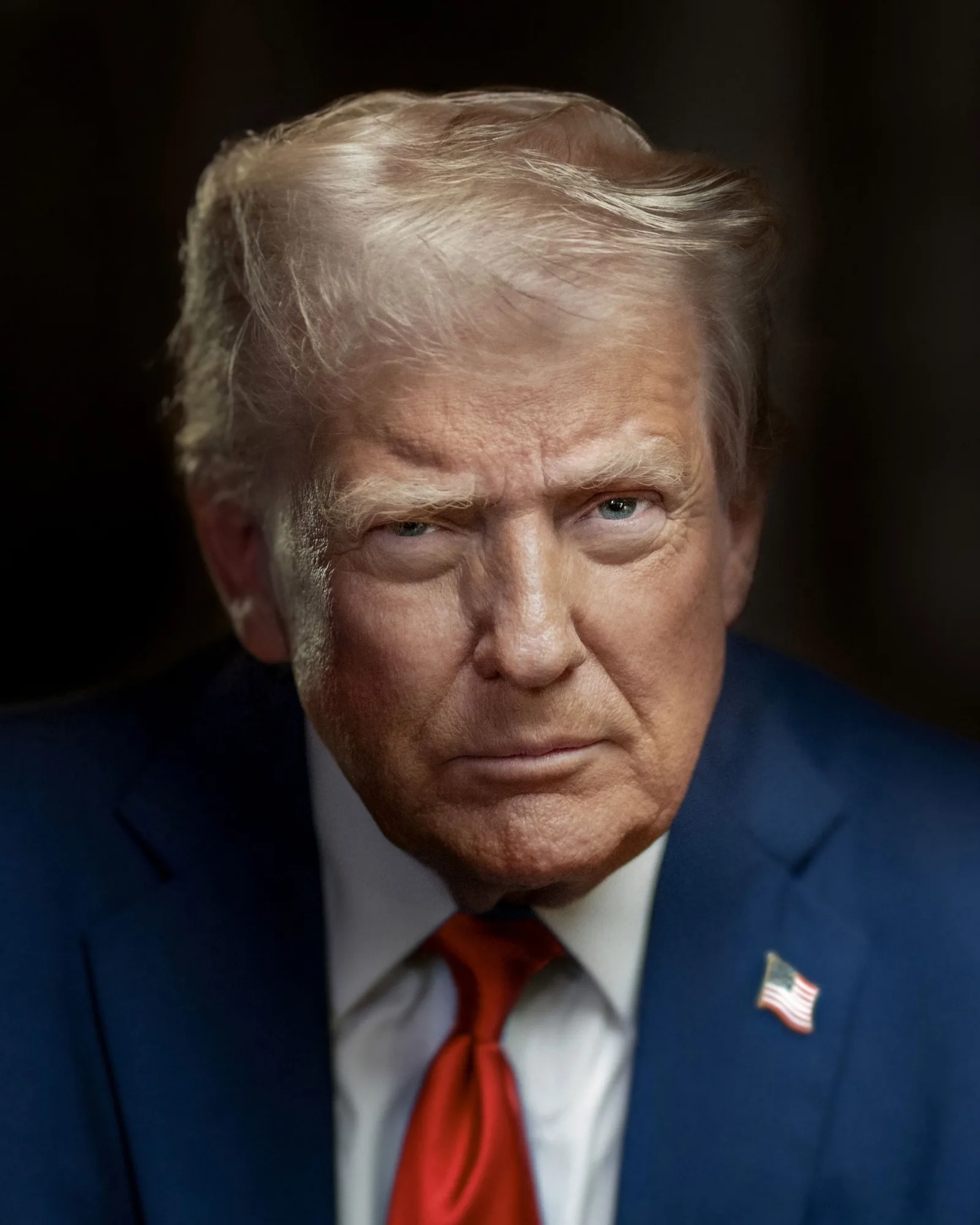 File photo
What happened
Key facts
- Trump said Marshall had been unfairly portrayed over billing patients at his former medical practice (per NBC News, Washington Examiner).
- Trump said Marshall was required by law to seek money patients owed and could have faced criminal liability if he did not (per Washington Examiner, NBC News).
- Trump said he probably should not have used the term, then continued defending Marshall (per Washington Examiner, NBC News).
- Marshall is not Jewish (per NBC News).
The brief
Donald Trump used an antisemitic slur while defending Sen. Roger Marshall at a campaign rally in Kansas, linking the term “shylock” to reporting about Marshall’s past medical billing. Trump argued that Marshall had been portrayed unfairly and told him, “You got screwed with that stuff.”
The term is widely recognized as offensive toward Jewish people. NBC News quoted the Anti-Defamation League’s educator guide to Shakespeare’s play as describing Shylock as a character through whom Jews are depicted as “money-hungry, conniving, and cruel.” Marshall is not Jewish, NBC News reported. The reporting Trump addressed concerned a New York Times account that Marshall and his former medical practice sued more than 700 patients over unpaid bills. NBC News said the account also described scores of arrest warrants resulting from missed court dates. The lawsuits and warrants are claims reported about past billing and court proceedings; neither source reports an outcome in those cases. Trump offered a legal rationale for the billing practices. The Washington Examiner reported that he said Marshall had been required by law to seek money patients owed and could have faced criminal liability if he did not. The Examiner characterized Trump’s remarks as a defense of Marshall’s medical billing, while NBC News emphasized the slur and its antisemitic meaning. Trump also said he probably should not have used the term, according to the Washington Examiner, but continued defending Marshall. The outlet described this as the second time in as many years that Trump had used the slur and referenced an earlier Iowa rally; it did not provide further details of that earlier occasion in the account here. The rally was held in Kansas as Trump campaigned for Marshall, according to the Washington Examiner. The sources describe the immediate dispute as a clash between Trump’s defense of Marshall’s billing practices and criticism of the language he used. They do not establish whether Marshall’s billing practices violated a law or whether the warrants led to arrests.
Why it matters
- More than 700 patients were sued over unpaid bills, according to the New York Times account described by the sources; the reported mechanism was litigation over medical debts.
- NBC News said those lawsuits resulted in scores of arrest warrants for missed court dates, exposing patients to legal consequences tied to court attendance.
- The term Trump used carries an antisemitic meaning, and the Anti-Defamation League guide cited by NBC News explains its association with harmful portrayals of Jews.
What to watch next
- Whether Trump continues defending Marshall’s billing practices while acknowledging the slur’s implications.
- Whether Marshall addresses the reported lawsuits involving more than 700 patients and the scores of warrants described by NBC News.
- Whether further public details clarify the legal basis for the billing practices Trump said were required by law.
How it's being covered
Coverage analysisShow details4 source articles · 4 unique outlets · 3 distinct reportsOutlet political mix: Mixed· 1 Left · 1 Center · 1 Right · 1 unratedWhere the outlets are based: US/Canada 75% · Africa 25%
- Coverage is currently concentrated among outlets based in US/Canada (3 of 4 geographically-identified sources).
How outlets' accounts compare
1 framing difference · 2 uncorroborated claims · 2 information gaps- NBC News foregrounds the antisemitic meaning of the slur and the reported lawsuits and arrest warrants; the Washington Examiner emphasizes Trump’s legal justification for Marshall’s billing and his continued defense after saying he probably should not have used the term.
- Trump told Marshall, “You got screwed with that stuff,” referring to the reporting, according to NBC News.
- Trump said Marshall had been “mandated by law” to seek money owed, according to the Washington Examiner.
- The sources do not provide the underlying New York Times report’s detailed account of the lawsuits, the patients’ circumstances, or the outcomes of the cases and warrants.
- The Washington Examiner reports Trump’s claim that Marshall was required by law to seek payment and could have faced criminal liability for failing to do so; the sources do not independently establish that legal claim.
Timeline
Developments from this story's sources, dated background we compiled and fact-checked, and our earlier coverage. Each row says which.- William Shakespeare’s *The Merchant of Venice*, featuring the Jewish moneylender Shylock, was first published.Background · compiled and fact-checked by Updat3
- The federal Fair Debt Collection Practices Act, enacted in 1977, regulates abusive practices by third-party debt collectors; it generally distinguishes those collectors from creditors collecting debts in their own names.Background · from our historical context
- Donald Trump won the presidential election.Background · compiled and fact-checked by Updat3
- In 2020, during Roger Marshall’s campaign for a U.S. Senate seat in Kansas, reporting examined how his former medical practice billed patients and pursued unpaid balances.Background · from our historical context
- Donald Trump was inaugurated for a second, non-consecutive term as U.S. president.Background · compiled and fact-checked by Updat3
How we got here
In 2020, during Roger Marshall’s campaign for a U.S. Senate seat in Kansas, reporting examined how his former medical practice billed patients and pursued unpaid balances.
The federal Fair Debt Collection Practices Act, enacted in 1977, regulates abusive practices by third-party debt collectors; it generally distinguishes those collectors from creditors collecting debts in their own names.
Original sources
1 of 4 articles · Africa · Show allEvery story links to the reporting it was built from. How we choose sources
Spotted a factual error, a broken link or a misleading summary? Tell us.