
Trump waives planned Russia sanctions as lawmakers criticize the move
Donald Trump issued an executive order waiving planned sanctions on Russia before they were due to take effect. Members of Congress criticized the decision after Congress passed bipartisan legislation supporting Ukraine, and the headlines describe no quick countermeasure.
AI-assisted synthesis · Based on 4 independent reports from 5 outlets · Article text read from 1 of 4 reports · 1 article captured only in partHow it's made
View timeline · 11 entries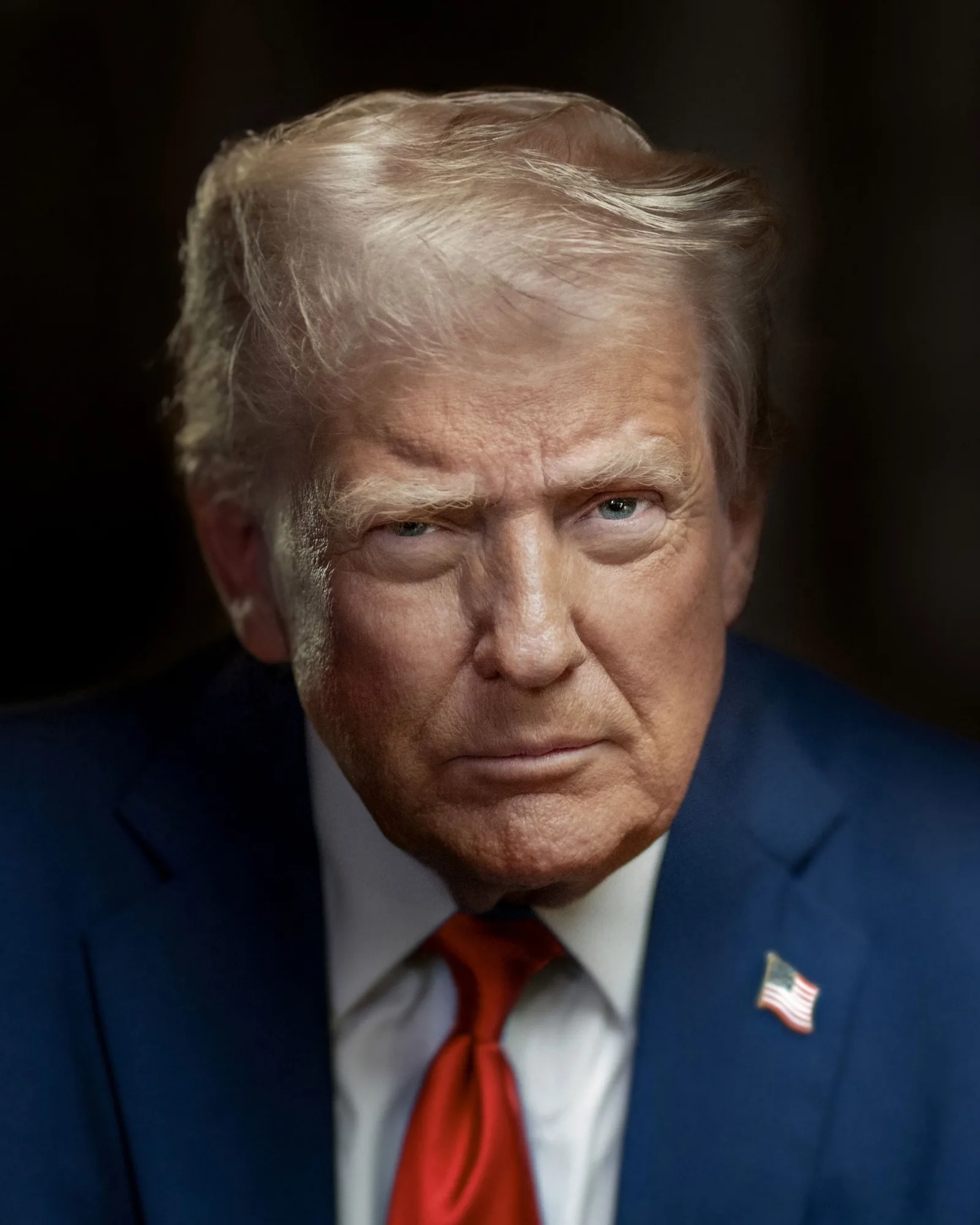 File photo
What happened
The brief
Donald Trump issued an executive order late Friday waiving planned sanctions on Russia before they were due to take effect, according to WSLS. The move drew criticism from members of Congress. The WSLS account places the order after Congress had overwhelmingly passed bipartisan legislation supporting Ukraine in its war with Russia.
The material in WSLS’s excerpt does not identify the sanctions’ provisions, explain the order’s legal scope, or name the lawmakers who criticized it. It also does not quote Trump or congressional critics. The report describes the criticism as bipartisan, but gives no names or party-by-party breakdown. The headlines from other outlets add limited descriptions of the event.
NPR characterizes the order as exempting Russia from economic sanctions. NBC News says Trump cited “national interests” in waiving new Russia sanctions passed by Congress. That rationale appears in NBC News’s headline; WSLS’s excerpt does not provide Trump’s explanation. The headlines from Lahaina News and PBS say Congress was outraged and that no quick countermeasure was seen.
WSLS likewise says lawmakers showed no immediate countermeasure. These accounts describe criticism without identifying a specific vote, legislative step, or other action taken in response. WSLS’s excerpt includes no statement from Russia, Ukraine, Trump, or the members of Congress who criticized the order.
It gives no details about the sanctions’ intended targets or effects, and does not say whether the executive order changed any other policy. The reported sequence is limited to Congress’s passage of legislation supporting Ukraine, Trump’s waiver of the planned sanctions, and the ensuing congressional criticism.
The immediate political consequence described is criticism, while the headlines characterize a swift congressional counter as absent. No further congressional decision or next step appears in the account.
The order’s stated rationale, according to NBC News’s headline, is national interests; the excerpt does not elaborate on what those interests are or how Trump connected them to the waiver.
Why it matters
- The waiver concerns planned sanctions on Russia, a policy mechanism that WSLS says was due to take effect.
- Congress had overwhelmingly passed bipartisan legislation supporting Ukraine in its war with Russia, placing the waiver alongside a documented congressional action on Ukraine.
- Members of Congress criticized the waiver, while Lahaina News and PBS headlines describe no quick countermeasure.
What to watch next
- Whether members of Congress take a countermeasure; Lahaina News and PBS describe no quick counter as seen.
- Whether Congress takes further action related to the bipartisan legislation supporting Ukraine.
- Whether Trump or the lawmakers who criticized the order provide further explanation of their positions.
How it's being covered
Coverage analysisShow details5 source articles · 5 unique outlets · 4 distinct reportsOutlet political mix: Mostly Center· 1 Left · 3 Center · 1 unratedWhere the outlets are based: US/Canada 80% · Unknown 20%
- Coverage is currently concentrated among Center-rated outlets (3 of 4 rated sources); comparatively few Right-rated outlets have published on the event.
- Coverage is currently concentrated among outlets based in US/Canada (4 of 5 geographically-identified sources).
How outlets' accounts compare
Timeline
Developments from this story's sources, dated background we compiled and fact-checked, and our earlier coverage. Each row says which.- The framework grew from measures adopted after Russia seized Crimea in 2014.Background · from our historical context
- Russia annexed Crimea in March 2014, a move rejected by Ukraine and the United States.Background · from our historical context
- President Barack Obama issued an executive order authorizing sanctions against people responsible for undermining Ukraine’s sovereignty.Background · compiled and fact-checked by Updat3
- On February 12, 2015, Russia, Ukraine, France and Germany agreed to the Minsk II measures, which called for a ceasefire and political steps; the agreement was not fully implemented.Background · from our historical context
- President Donald Trump signed the Countering America’s Adversaries Through Sanctions Act, which codified sanctions related to Russia, Iran and North Korea.Background · compiled and fact-checked by Updat3
- On April 6, 2018, the Treasury Department announced sanctions against Russian officials and entities under CAATSA.Background · from our historical context
- On February 24, 2022, Russia launched its full-scale invasion of Ukraine.Background · from our historical context
- Donald Trump and Volodymyr Zelensky met at the White House; their planned minerals agreement was not signed.Background · compiled and fact-checked by Updat3
- Donald Trump and Vladimir Putin discussed a proposed pause in attacks on energy infrastructure, and the White House said Putin had agreed to it.Background · compiled and fact-checked by Updat3
- President Donald Trump signed the Graham Act, which included sanctions and tariffs intended to increase pressure on Russia.Background · compiled and fact-checked by Updat3
- President Donald Trump announced an immediate energy ceasefire between Russia and Ukraine.Background · compiled and fact-checked by Updat3
How we got here
The immediate institutional backdrop was the sanctions framework Congress built after Russia’s 2014 annexation of Crimea and expanded after its 2022 invasion of Ukraine.
On August 2, 2017, President Donald Trump signed the Countering America’s Adversaries Through Sanctions Act (CAATSA), which imposed sanctions relating to Russia and restricted the president’s ability to ease certain sanctions without notifying Congress and allowing congressional review.
Original sources
5 articles from 5 outletsEvery story links to the reporting it was built from. How we choose sources
Spotted a factual error, a broken link or a misleading summary? Tell us.