
Trump says U.S. naval forces could stop near Cuba after Iran
At a Florida rally, Donald Trump said U.S. naval forces returning from Iran would pass Cuba and that one ship could stop about 50 yards off the coast. He said his administration would turn to Cuba after dealing with Iran and that Secretary of State Marco Rubio would be sent to pursue a deal.
AI-assisted synthesis · Based on 6 outlets' reporting · Article text read from 4 of 6 outlets · 1 article captured only in partHow it's made
View timeline · 13 entries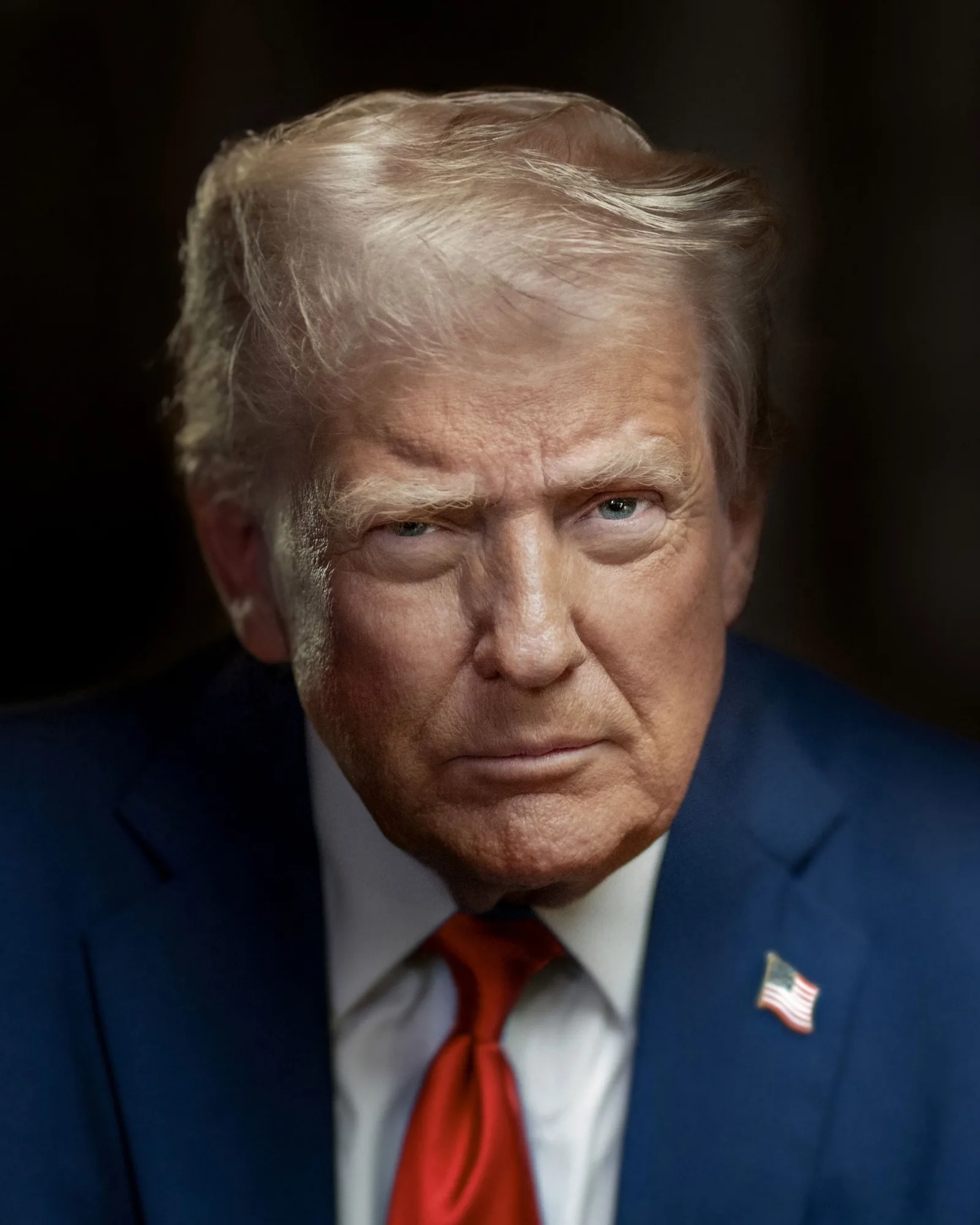 File photo
What happened
Key facts
- At a rally in Florida, Donald Trump said the United States would address Cuba after dealing with Iran (per ksl.com, ntn24.com, The Times of India).
- Trump said U.S. naval forces returning from Iran would pass Cuba and one ship would stop about 50 yards off the coast (per ksl.com, ntn24.com, The Times of India).
- Trump said Secretary of State Marco Rubio would be sent to pursue or finish a deal concerning Cuba (per ntn24.com, The Times of India, thenews.pk).
- Miguel Díaz-Canel said Cuba was determined to defend itself (per ntn24.com, ksl.com, The Times of India).
- Marco Rubio urged people seeking a different future for Cuba to pursue change through a partnership with the CIA, without giving further details (per The Times of India, ntn24.com, thenews.pk).
- Trump said at the United Nations General Assembly in September that “Freedom will be coming to Cuba”; the Cuban delegation walked out after his remarks (per The Times of India).
- Trump won 68% of the Cuban American vote in Florida in the 2024 election (per ksl.com, The Times of India).
The brief
Donald Trump said at a rally in Florida that the United States would turn to Cuba after dealing with Iran, and described a possible naval stop near the island. He said U.S. ships returning from Iran would pass Cuba, with one stopping about 50 yards off the coast. Trump also said Secretary of State Marco Rubio would be sent to pursue a deal concerning Cuba.
The remarks came during a 90-minute rally in Fort Myers ahead of the November 3 midterm elections. KSL reported that Trump repeated that more military action against Iran may lie ahead, while The Times of India described his Cuba remarks as a signal of further pressure on the Cuban government.
Those accounts place the comments against the Iran conflict and the approaching election; they do not establish a specific policy decision or timetable for action against Cuba. Trump’s account presented the naval passage and proposed stop as part of what might happen on the return from Iran.
NTN24 quoted him saying the ships would pass Cuba and one would stop near the coast, followed by Rubio being sent to “close the door.” The Times of India and The News also reported that Trump said Rubio would be sent to “finish up the deal.” The wording indicates a proposed next step, rather than a documented negotiation or agreement.
Cuba’s president, Miguel Díaz-Canel, said Cuba was determined to defend itself, according to NTN24. The Times of India separately reported that Rubio had urged people seeking a different future for Cuba to pursue change through a partnership with the CIA, without providing further details.
These are distinct positions: Díaz-Canel described Cuba’s stance, while Rubio’s reported comments addressed a route for people seeking change. Trump’s remarks followed earlier comments at the United Nations General Assembly in September, where he said, “Freedom will be coming to Cuba,” according to The Times of India. The Cuban delegation walked out after that speech.
The rally remarks now linked Cuba policy to the Iran conflict by placing the proposed naval passage after U.S. forces returned from Iran, but none of the accounts describes a completed naval movement or a specific operation against Cuba. The election setting was prominent in the coverage.
KSL and The Times of India said the rally took place ahead of the November 3 midterms; KSL connected Trump’s discussion of Iran and oil prices to Republican political concerns. The Times of India noted that Trump won 68% of the Cuban American vote in Florida in the 2024 presidential election, providing a specific electoral context for his appearance in the state.
Trump also announced a $250 million plan to hire at least 5,000 nurses for elder-care facilities across the United States. KSL and The Times of India tied that announcement to older residents in Florida, while The News also reported it alongside the Cuba and Iran remarks.
The rally therefore combined a proposed Cuba policy shift and a possible military presence near the island with domestic campaign and elder-care messages.
Why it matters
- Cuba’s government faces a public statement that the United States may address Cuba after Iran and a proposed U.S. naval stop about 50 yards off its coast; Miguel Díaz-Canel said Cuba was determined to defend itself.
- The 68% Cuban American vote Trump won in Florida in 2024 gives his Cuba remarks a specific electoral context ahead of the November 3 midterms.
- The proposed $250 million nurse hiring plan would fund at least 5,000 positions in U.S. elder-care facilities, a concrete domestic commitment delivered at the same rally.
What to watch next
- Whether the Trump administration takes any Cuba-related action after dealing with Iran, as Trump said it would.
- Whether U.S. naval forces returning from Iran pass Cuba or stop near its coast, as Trump described.
- Whether Marco Rubio pursues the Cuba deal Trump said he would handle.
- Whether Rubio provides further details on the CIA partnership he reportedly urged for people seeking change in Cuba.
How it's being covered
Coverage analysisShow details7 source articles · 6 unique outletsOutlet political mix: Mixed· 2 Center · 2 Right · 2 unratedWhere the outlets are based: Unknown 50% · Asia 33% · Other 17%
How outlets' accounts compare
2 framing differences · 6 uncorroborated claims · 1 information gap- KSL foregrounded the Iran conflict, oil-price concerns, and Republican political pressure; The Times of India framed the Cuba comments as a signal of further pressure on the Cuban government.
- NTN24 reported Trump’s proposed Rubio role as an effort to “close the door,” while The Times of India and The News rendered it as finishing a deal.
- Trump described addressing Cuba after dealing with Iran; Díaz-Canel’s position, reported by NTN24, was that Cuba was determined to defend itself.
- The accounts report Trump’s proposed naval stop and Cuba policy comments, but do not establish that U.S. ships have made the passage or that a Cuba deal has begun.
- Trump said one returning ship could stop about 50 yards off Cuba’s coast.
- Trump said the United States would address Cuba after Iran and that Marco Rubio would be sent to pursue a deal.
- Díaz-Canel said Cuba was determined to defend itself.
- The Times of India reported Rubio urged people seeking a different future for Cuba to pursue change through a partnership with the CIA.
- The accounts do not provide details of any U.S. policy measures toward Cuba beyond the rally remarks.
Timeline
Developments from this story's sources, dated background we compiled and fact-checked, and our earlier coverage. Each row says which.- Fidel Castro’s forces overthrew Fulgencio Batista on January 1, 1959; Cuba’s new government subsequently nationalized property owned by U.S. companies and moved closer to the Soviet Union.Background · from our historical context
- The legal foundation of the U.S. embargo dates to October 1960, when President Dwight Eisenhower imposed broad trade restrictions after Cuba nationalized U.S.-owned property.Background · from our historical context
- The United States broke diplomatic relations with Cuba on January 3, 1961.Background · from our historical context
- In April 1961, a CIA-backed invasion by Cuban exiles at the Bay of Pigs failed.Background · from our historical context
- President John F. Kennedy expanded the embargo in February 1962.Background · from our historical context
- The Soviet Union’s deployment of nuclear missiles to Cuba led to the Cuban Missile Crisis in October 1962, when Kennedy imposed a naval quarantine and the two superpowers negotiated a withdrawal.Background · from our historical context
- President Bill Clinton signed the Helms-Burton Act, codifying parts of the Cuba embargo.Background · compiled and fact-checked by Updat3
- A partial diplomatic opening came on December 17, 2014, when Obama and Castro announced plans to restore relations.Background · from our historical context
- The two countries reopened embassies on July 20, 2015, but the embargo remained in force.Background · from our historical context
- President Donald Trump announced a policy reversing parts of the U.S. opening to Cuba.Background · compiled and fact-checked by Updat3
- The Trump administration designated Cuba a state sponsor of terrorism.Background · compiled and fact-checked by Updat3
- The Biden administration announced that it would remove Cuba from the U.S. list of state sponsors of terrorism.Background · compiled and fact-checked by Updat3
- Donald Trump told the United Nations General Assembly that freedom would be coming to Cuba, and Cuba’s delegation walked out.Background · compiled and fact-checked by Updat3
How we got here
The immediate historical backdrop to U.S. pressure on Cuba was the deterioration in relations during Donald Trump’s first presidency. In 2017, Trump reversed parts of Barack Obama’s Cuba policy, and in 2019 his administration tightened restrictions on travel and remittances and activated a provision allowing lawsuits over property confiscated after the Cuban Revolution.
In January 2021, the Trump administration designated Cuba a state sponsor of terrorism, a designation the Biden administration reversed in January 2025. These measures formed part of a long-running dispute over Cuba’s government, U.S. sanctions and the treatment of property nationalized after 1959.
Original sources
3 of 7 articles · Asia · Show allEvery story links to the reporting it was built from. How we choose sources
Spotted a factual error, a broken link or a misleading summary? Tell us.