
Trump would approve Flavio Bolsonaro coming to U.S.; says Brazil election was ‘very strange’
President Donald Trump said he would approve defeated Brazilian presidential candidate Sen. Flavio Bolsonaro coming to the United States. Trump called Brazil’s election process “terrible,” while saying the result was acceptable and the election was “very strange.”
AI-assisted synthesis · Based on 5 outlets' reporting · Article text read from 1 of 5 outletsHow it's made
View timeline · 10 entries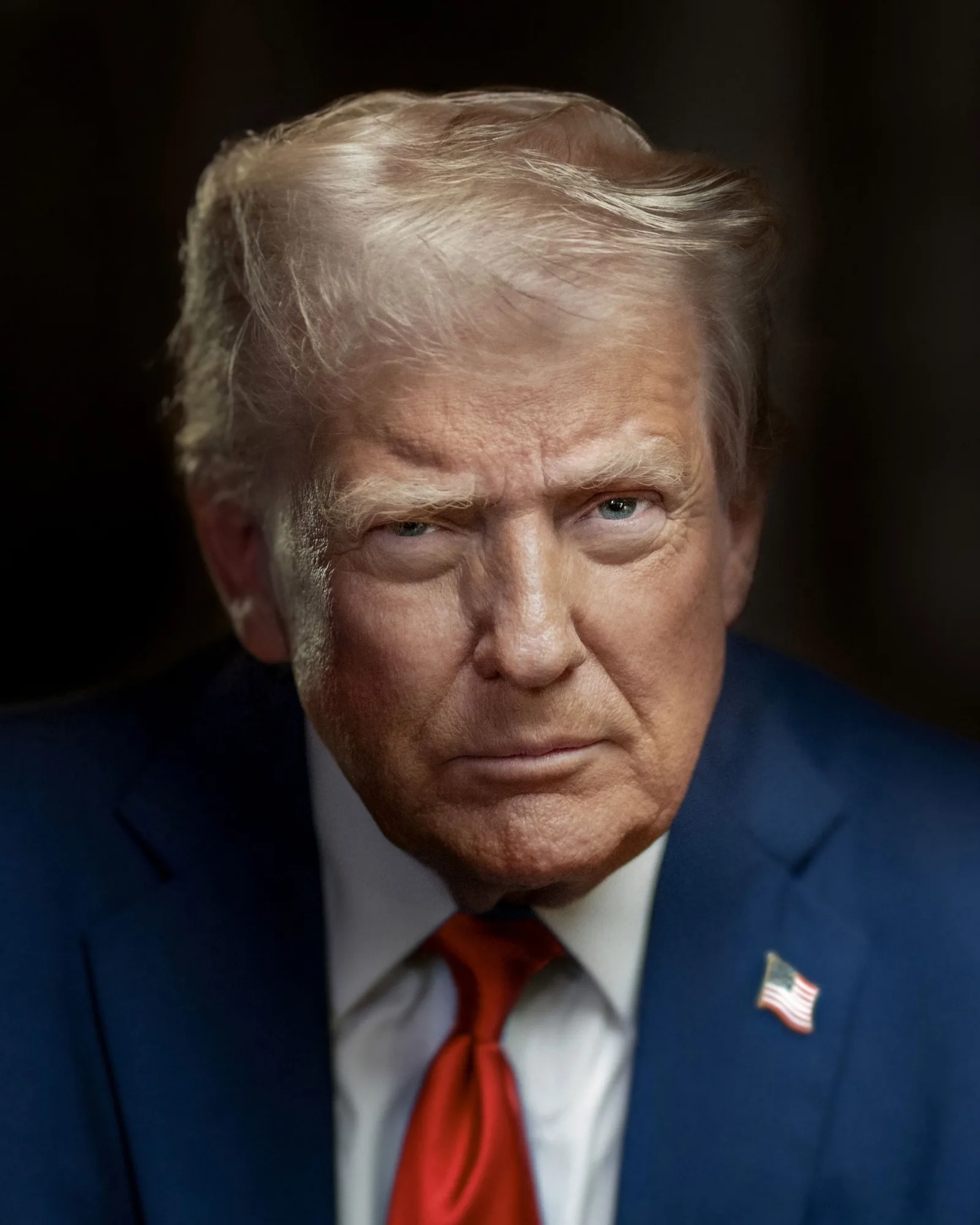 File photo
What happened
Key facts
- Trump said he would approve Flavio Bolsonaro coming to the United States (per aa.com.tr, The Hindu, CNBC).
- Trump said he had not endorsed either candidate and had thought he would stay out of the election (per aa.com.tr).
- Trump said the election outcome was acceptable but the process was “terrible.” (per aa.com.tr).
- Flavio Bolsonaro was a defeated Brazilian presidential candidate (per aa.com.tr, CNBC, CNN).
- Luiz Inacio Lula da Silva won the election by more than 4 million votes (per aa.com.tr).
- Trump said he had heard Flavio Bolsonaro was in Argentina (per aa.com.tr).
- Brazilian police said they found no record of Bolsonaro leaving Brazil through an official immigration checkpoint, and Argentine immigration authorities said they had no record of him entering Argentina (per aa.com.tr).
- A senior State Department official told Anadolu that Washington would issue visas to Bolsonaro and his family (per aa.com.tr).
The brief
U.S. President Donald Trump said he would approve defeated Brazilian presidential candidate Sen. Flavio Bolsonaro coming to the United States, while criticizing Brazil’s recent presidential election. The Hindu, CNBC and Reuters headlines also report Trump’s approval or willingness to allow Bolsonaro to come to the U.S.; CNN’s headline says Trump approved allowing him to enter. Anadolu reported Trump’s remarks and the surrounding details. Trump told reporters that he would be comfortable approving Bolsonaro’s arrival. He also said he had not endorsed either candidate in Brazil’s contest and had thought he would stay out of it. Trump described the election as “very strange,” saying the outcome was acceptable to him but the process was “terrible.”
The election was won by President Luiz Inacio Lula da Silva, whom Anadolu reported defeated Bolsonaro by more than 4 million votes. The account does not say Trump identified a specific problem with the electoral process; it reports his assessment alongside his acknowledgment that Lula’s victory was acceptable. Asked where Bolsonaro was, Trump said he had heard that Bolsonaro was in Argentina. Brazilian police said they had no record of Bolsonaro leaving Brazil through an official immigration checkpoint. Argentine immigration authorities separately said they had no record of him entering Argentina. Those statements leave his location unconfirmed in the account. Anadolu also reported that a senior State Department official had said Washington would issue visas to Bolsonaro and his family. Trump’s public comments concerned whether he would approve Bolsonaro coming to the United States, while the official’s statement described planned visas for Bolsonaro and relatives. The report does not specify when the visas would be issued. Trump made the remarks after returning from campaign rallies in Texas, ahead of the following week’s U.S. midterm elections, according to Anadolu. His comments linked his view of the Brazilian vote with a stated willingness to permit Bolsonaro’s entry, while the election result itself remained acceptable to him despite his criticism of the process.
Why it matters
- Bolsonaro’s entry is the concrete issue: Trump said he would approve his coming to the United States, and a senior State Department official said Washington would issue visas to Bolsonaro and his family.
- The election result was a victory for Luiz Inacio Lula da Silva by more than 4 million votes; Trump said the result was acceptable while criticizing the process.
- Brazilian police and Argentine immigration authorities each reported having no record that would confirm Bolsonaro’s travel through the respective official channels.
What to watch next
- Whether Washington issues the visas to Bolsonaro and his family, as the senior State Department official said it would.
- Whether Bolsonaro’s location is established, given Trump’s statement that he had heard Bolsonaro was in Argentina and the immigration authorities’ reported lack of records.
- Whether Trump makes further public comments about the Brazilian election or Bolsonaro’s proposed U.S. entry.
How it's being covered
Coverage analysisShow details5 source articles · 5 unique outletsOutlet political mix: Mostly Center· 1 Left · 3 Center · 1 unratedWhere the outlets are based: US/Canada 40% · Middle East 20% · Other 40%
- Coverage is currently concentrated among Center-rated outlets (3 of 4 rated sources); comparatively few Right-rated outlets have published on the event.
One source is from a wire service (AP, Reuters, AFP or Bloomberg), whose reporting other outlets often republish.
How outlets' accounts compare
Timeline
Developments from this story's sources, dated background we compiled and fact-checked, and our earlier coverage. Each row says which.- Brazil’s current constitutional framework dates to the Constitution promulgated on Oct. 5, 1988, after the end of military rule.Background · from our historical context
- Luiz Inácio Lula da Silva won Brazil’s presidential runoff against José Serra.Background · compiled and fact-checked by Updat3
- Flávio Bolsonaro was elected to Brazil’s Senate after representing Rio de Janeiro in the state legislature.Background · compiled and fact-checked by Updat3
- Flávio Bolsonaro, Jair Bolsonaro’s son, had entered the Senate in 2019 after representing Rio de Janeiro in the state legislature.Background · from our historical context
- The two governments announced a strategic partnership and the United States designated Brazil a major non-NATO ally in 2019.Background · from our historical context
- Trump met Jair Bolsonaro at the White House on March 19, 2019, during the Brazilian president’s first official visit to Washington.Background · from our historical context
- Brazil’s previous presidential election, on Oct. 30, 2022, ended with Luiz Inácio Lula da Silva defeating incumbent Jair Bolsonaro by about 2.1 million votes.Background · from our historical context
- Luiz Inácio Lula da Silva took office as Brazil’s president for a third, nonconsecutive term.Background · compiled and fact-checked by Updat3
- On Jan. 8, 2023, supporters of Bolsonaro invaded Brazil’s Congress, Supreme Court and presidential palace in Brasília; Bolsonaro denied responsibility for the attacks.Background · from our historical context
- Flávio Bolsonaro led Lula in Brazil’s presidential first round, 47 percent to 45 percent.Background · compiled and fact-checked by Updat3
How we got here
Brazil’s previous presidential election, on Oct. 30, 2022, ended with Luiz Inácio Lula da Silva defeating incumbent Jair Bolsonaro by about 2.1 million votes. Jair Bolsonaro did not publicly concede the result before leaving Brazil for the United States in late December 2022, and Lula was inaugurated on Jan. 1, 2023.
Flávio Bolsonaro, Jair Bolsonaro’s son, had entered the Senate in 2019 after representing Rio de Janeiro in the state legislature. The 2022 contest took place under Brazil’s electronic-voting system, administered by the Superior Electoral Court (TSE).
Original sources
1 of 5 articles · Asia · Show allEvery story links to the reporting it was built from. How we choose sources
Spotted a factual error, a broken link or a misleading summary? Tell us.