
Trump moves to challenge Alaska Senate election certification in advance
Reports say the Trump administration is seeking to block certification of Alaska’s Senate results before Election Day, potentially affecting how a close race involving Republican Dan Sullivan is finalized. The move echoes disputes over election administration after the 2020 vote.
AI-assisted synthesis · Based on 3 independent reports from 4 outlets · Article text read from 2 of 3 reportsHow it's made
View timeline · 8 entries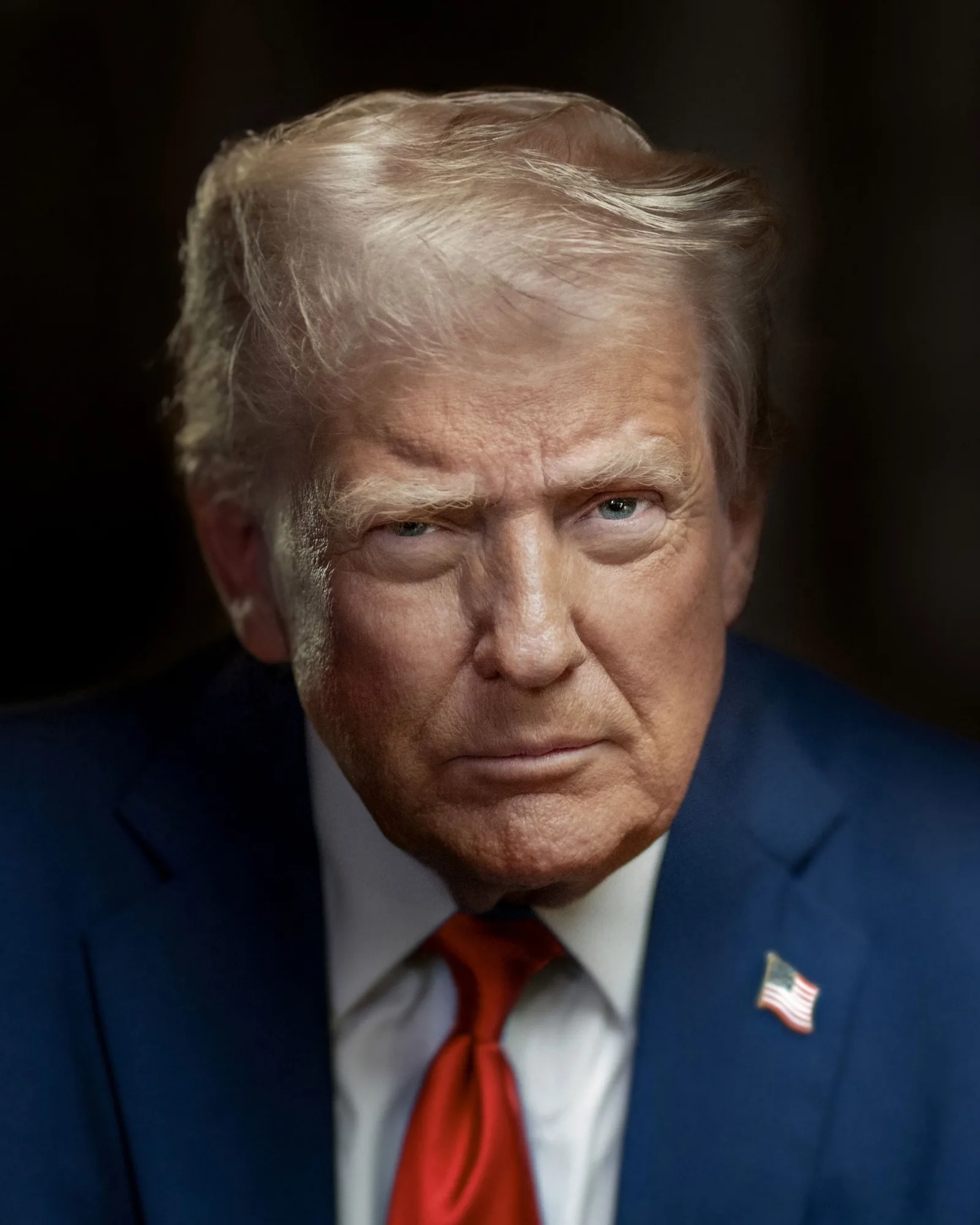 File photo
What happened
The brief
President Trump moved to challenge certification of Alaska’s Senate election if Republican candidate Dan Sullivan narrowly loses, according to a New York Times report summarized by Political Wire. NBC News’s headline separately says the Trump administration sued to block certification if Sullivan loses in November.
The accounts describe the action at different levels of specificity. Political Wire’s excerpt presents it as a pre-emptive challenge to certification before Election Day. NBC News’s headline identifies a lawsuit and specifies that the condition is Sullivan losing. Neither account establishes that Sullivan has lost or that election certification has been blocked.
The New York Times report, as quoted by Political Wire, characterizes the move as an effort to use federal government power to affect a voting process administered by states. It places the Alaska action within a broader effort by Trump to contest election integrity and seek greater federal control over voting.
Those characterizations are the Times’s framing, rather than independently established findings in the excerpts. The reported condition matters: the challenge concerns certification only if the Republican candidate narrowly loses, in the New York Times account. NBC News names Sullivan and says the lawsuit would block certification if he loses in November.
The source texts do not describe the filing’s legal arguments or identify a court ruling. The New York Times account calls the move a new front in Trump’s election-related activity and emphasizes its timing before voting concludes. NBC News’s headline focuses instead on the legal mechanism and the conditional effect on certification.
Together, the accounts describe a planned or filed legal challenge tied to a possible Sullivan defeat, while offering different levels of detail about its form. The immediate procedural question is whether the lawsuit proceeds and what a court does with it. The reported election outcome remains conditional: the sources describe a possible loss by Sullivan, not a result.
Why it matters
- Alaska voters’ Senate election certification is the concrete process at issue: the reported lawsuit could block certification if Dan Sullivan loses.
- The New York Times account describes federal government involvement in a voting process administered by states, placing state control of election administration at stake.
- The reported challenge is conditional on Sullivan losing; the sources do not report that he has lost or that certification has been blocked.
What to watch next
- Whether the Trump administration’s lawsuit proceeds in court.
- Whether Dan Sullivan loses the Alaska Senate election, the condition described by both accounts.
- Whether Alaska’s Senate election certification is blocked if Sullivan loses.
How it's being covered
Coverage analysisShow details5 source articles · 4 unique outlets · 3 distinct reportsOutlet political mix: Mostly Left· 2 Left · 1 Right · 1 unratedWhere the outlets are based: US/Canada 75% · Unknown 25%
- Coverage is currently concentrated among outlets based in US/Canada (3 of 4 geographically-identified sources).
How outlets' accounts compare
3 framing differences · 1 uncorroborated claim · 1 information gap- The New York Times excerpt quoted by Political Wire frames the move as a pre-emptive effort to use federal power to affect state-run voting before Election Day; NBC News’s headline emphasizes a lawsuit to block certification if Dan Sullivan loses.
- The New York Times account, as quoted by Political Wire, characterizes the action as using federal government power to affect state-administered voting; NBC News’s headline describes a lawsuit to block certification.
- The sources describe a conditional challenge, but do not establish that Sullivan has lost or that certification has been blocked.
- The New York Times account quoted by Political Wire calls the move a “new front” in Trump’s election-related activity.
- The sources do not provide the lawsuit’s legal arguments, the court handling it, or a response from Sullivan or Alaska election officials.
Timeline
Developments from this story's sources, dated background we compiled and fact-checked, and our earlier coverage. Each row says which.- The 17th Amendment, ratified in 1913, established direct election of U.S. senators.Background · from our historical context
- Dan Sullivan was elected to the U.S. Senate from Alaska.Background · compiled and fact-checked by Updat3
- In 2020, Alaska voters approved Ballot Measure 2, which created open primaries and ranked-choice voting for general elections.Background · from our historical context
- On January 2, 2021, Trump urged Georgia Secretary of State Brad Raffensperger to “find” enough votes to change Georgia’s result.Background · from our historical context
- A mob attacked the U.S. Capitol as Congress met to count electoral votes.Background · compiled and fact-checked by Updat3
- Congress certified Joe Biden’s presidential victory.Background · compiled and fact-checked by Updat3
- Congress revised the presidential count process with the Electoral Count Reform Act, enacted December 29, 2022.Background · from our historical context
- Public polls showed Dan Sullivan and Mary Peltola in a close Alaska Senate race ahead of the general election.Background · compiled and fact-checked by Updat3
How we got here
The closest precedent for disputes over election administration was Donald Trump’s effort to overturn the 2020 presidential result. On January 2, 2021, Trump urged Georgia Secretary of State Brad Raffensperger to “find” enough votes to change Georgia’s result. On January 6, Congress met to count electoral votes, and a mob attacked the U.S.
Capitol; Congress certified Biden’s victory on January 7. Article I, Section 4 of the U.S. Constitution assigns states the initial authority to set the “Times, Places and Manner” of congressional elections, while allowing Congress to alter those rules. The 17th Amendment, ratified in 1913, established direct election of U.S. senators.
Original sources
4 of 5 articles · US/Canada · Show allEvery story links to the reporting it was built from. How we choose sources
Spotted a factual error, a broken link or a misleading summary? Tell us.