
Cook says Israeli election uncertainty complicates Trump’s Saudi push
Steven Cook said uncertainty over Israeli election seat projections complicates Donald Trump’s push for Saudi relations. Cook cited projections ranging from 52 to 55 seats for the opposition and said Benjamin Netanyahu’s bloc faces difficulty reaching 61 seats.
AI-assisted synthesis · Based on 2 outlets' reporting · Article text read from 1 of 2 outletsHow it's made
View timeline · 8 entries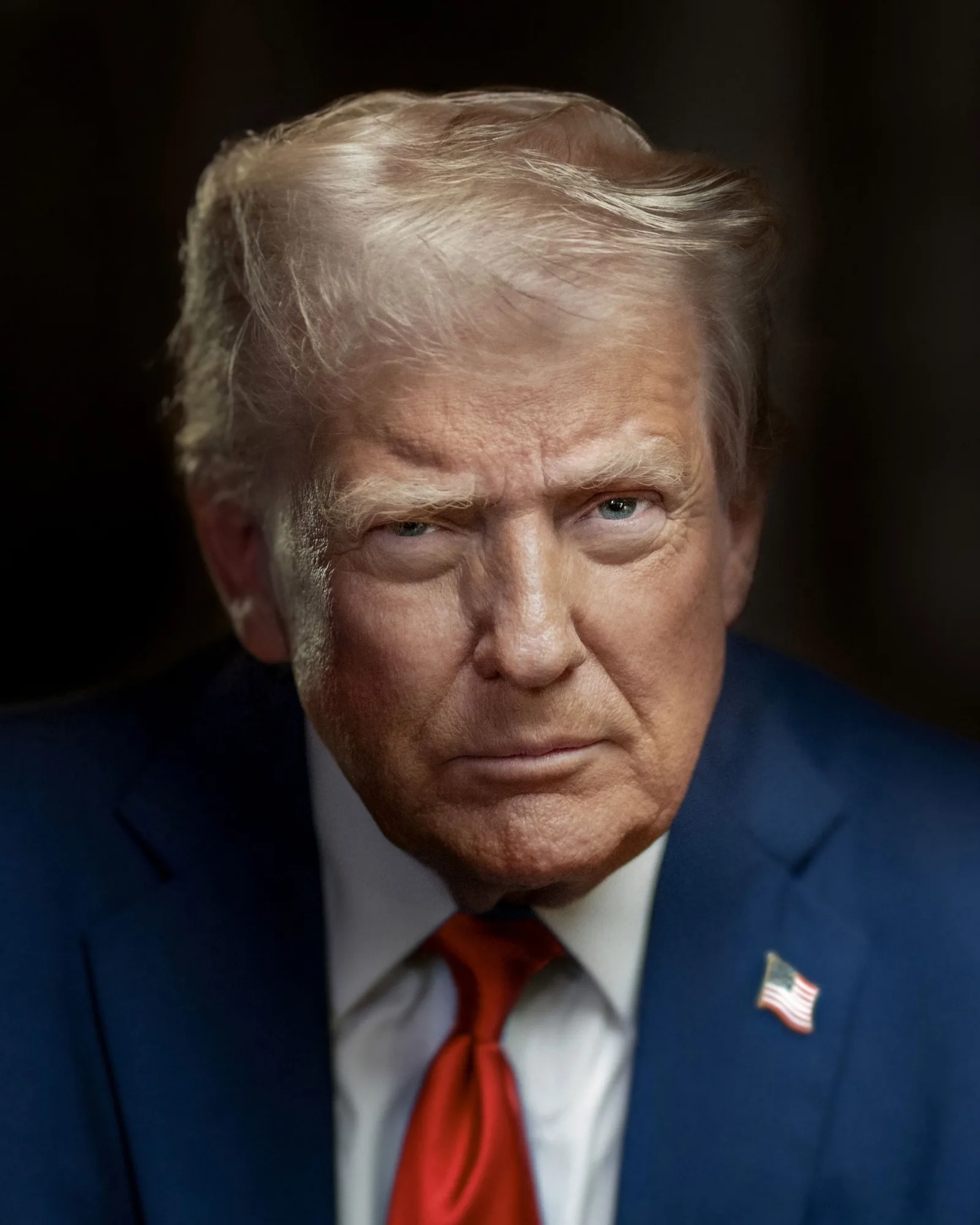 File photo
What happened
Key facts
- Cook said Trump’s attitude toward the Middle East has diverged from policy goals he outlined in 2025 (per contrariannews.org).
- Cook said Israeli elections were scheduled for the 27th, the week before U.S. elections (per contrariannews.org).
- Cook said Channel 14 projected Netanyahu and his coalition at 63 seats (per contrariannews.org).
- Cook said Netanyahu’s bloc had difficulty reaching the 61 seats needed for a majority (per contrariannews.org).
- The Jerusalem Post headline said Trump’s push for Israel-Saudi relations faces obstacles amid elections and Houthi attacks (per The Jerusalem Post, contrariannews.org).
The brief
Steven Cook said uncertainty over Israeli election projections complicates Donald Trump’s push for Saudi relations, while also discussing U.S. policy toward the Middle East and Houthi attacks on Saudi Arabia.
Cook, identified as a Council on Foreign Relations expert by contrariannews.org, said Trump’s attitude toward the region has diverged from policy goals he outlined in 2025. Cook described several possible Israeli election outcomes.
One projection gave the opposition 53 seats and Benjamin Netanyahu 52; another put the opposition at 55 seats, with the figures shifting between projections. He said the uncertainty matters because Netanyahu’s bloc has difficulty reaching the 61 seats needed for a majority. Cook also cited Channel 14, which he called the Israeli version of Fox News.
He said the outlet projected Netanyahu and his coalition at 63 seats, a result that contrasts with the lower figures he described for Netanyahu in other projections. The account does not identify the polling organizations behind the estimates. Cook said Israeli elections were scheduled for the 27th, one week before U.S. elections.
His comments connected the Israeli vote to Trump’s regional policy, but the account does not describe a specific decision by Trump or the Saudi government tied to the election projections. The Jerusalem Post headline separately framed Trump’s push for Israel-Saudi relations as facing obstacles amid elections and Houthi attacks.
Cook’s discussion also addressed the U.S. response to Houthi attacks on Saudi Arabia, without detailing the attacks or specifying what the U.S. response involved. The account further included Cook’s warning that something like October 7th might happen, and his recollection that he learned in December 2023 of reports in the Israeli press about Egyptian officials warning Israel.
It also referred to King Hussein of Jordan’s warning to Golda Meir before the October 1973 war, and to Iran’s 2019 bombing of two Saudi oil facilities and Trump’s statement that Iran had not bombed the United States.
Why it matters
- Netanyahu’s coalition arithmetic is central to the election uncertainty Cook linked to Trump’s Saudi push: he said the bloc has difficulty reaching the 61 seats needed for a majority.
- Cook’s cited projections range from Netanyahu at 52 seats to a Channel 14 projection of 63 for Netanyahu and his coalition, illustrating the range of outcomes discussed.
- The reported U.S. response to Houthi attacks on Saudi Arabia is another part of Cook’s account of Trump’s Middle East policy, though the account does not specify the response.
What to watch next
- Whether the Israeli election produces a result that gives Netanyahu’s bloc the 61 seats Cook said it has difficulty reaching.
- Whether the opposition’s seat count aligns with the projections Cook cited: 53 or 55 seats.
- How Trump’s regional policy develops in relation to the Saudi push Cook discussed and the U.S. response to Houthi attacks on Saudi Arabia.
How it's being covered
Coverage analysisShow details2 source articles · 2 unique outletsOutlet political mix: Too few rated· 1 Right · 1 unratedWhere the outlets are based: Middle East 50% · Unknown 50%
- Coverage is currently limited to 2 outlets.
How outlets' accounts compare
Timeline
Developments from this story's sources, dated background we compiled and fact-checked, and our earlier coverage. Each row says which.- In 1948, Israel declared independence and Saudi Arabia did not recognize it; the two states have had no diplomatic relations.Background · from our historical context
- Benjamin Netanyahu first became Israel’s prime minister.Background · compiled and fact-checked by Updat3
- The Arab League adopted the Arab Peace Initiative, offering recognition of Israel in exchange for a settlement of key issues.Background · compiled and fact-checked by Updat3
- The United Arab Emirates and Bahrain signed agreements normalizing relations with Israel, brokered by the Trump administration.Background · compiled and fact-checked by Updat3
- After Hamas’s October 7, 2023 attack on Israel and Israel’s subsequent military campaign in Gaza, Saudi officials said normalization required a credible path to a Palestinian state.Background · from our historical context
- In November 2023, the White House said talks on a possible U.S.-Saudi-Israeli arrangement had been paused.Background · from our historical context
- Donald Trump was inaugurated for a second, non-consecutive term as U.S. president.Background · compiled and fact-checked by Updat3
- Donald Trump said the United States should stay out of Israel’s election, while leaving open the possibility of endorsing a candidate.Background · compiled and fact-checked by Updat3
How we got here
In 1948, Israel declared independence and Saudi Arabia did not recognize it; the two states have had no diplomatic relations.
Saudi Arabia’s stated framework for normalizing ties was set out in the 2002 Arab Peace Initiative, which offered recognition of Israel by Arab states in exchange for an Israeli withdrawal from territories occupied in 1967 and a negotiated resolution of the Palestinian refugee question.
Original sources
2 articles from 2 outletsEvery story links to the reporting it was built from. How we choose sources
Spotted a factual error, a broken link or a misleading summary? Tell us.