
Trump's tariffs fail to cut US trade deficit, IW report shows
A German Economic Institute study reported that the US goods trade deficit reached US$130 billion in August, above its level two years earlier despite import tariffs. The study also found the European Union’s share of the deficit fell to 7 percent from 20 percent in August 2024, while China’s share declined to 14 percent from 29 percent.
AI-assisted synthesis · Based on 2 independent reports from 4 outlets · Article text read from 1 of 2 reportsHow it's made
View timeline · 8 entries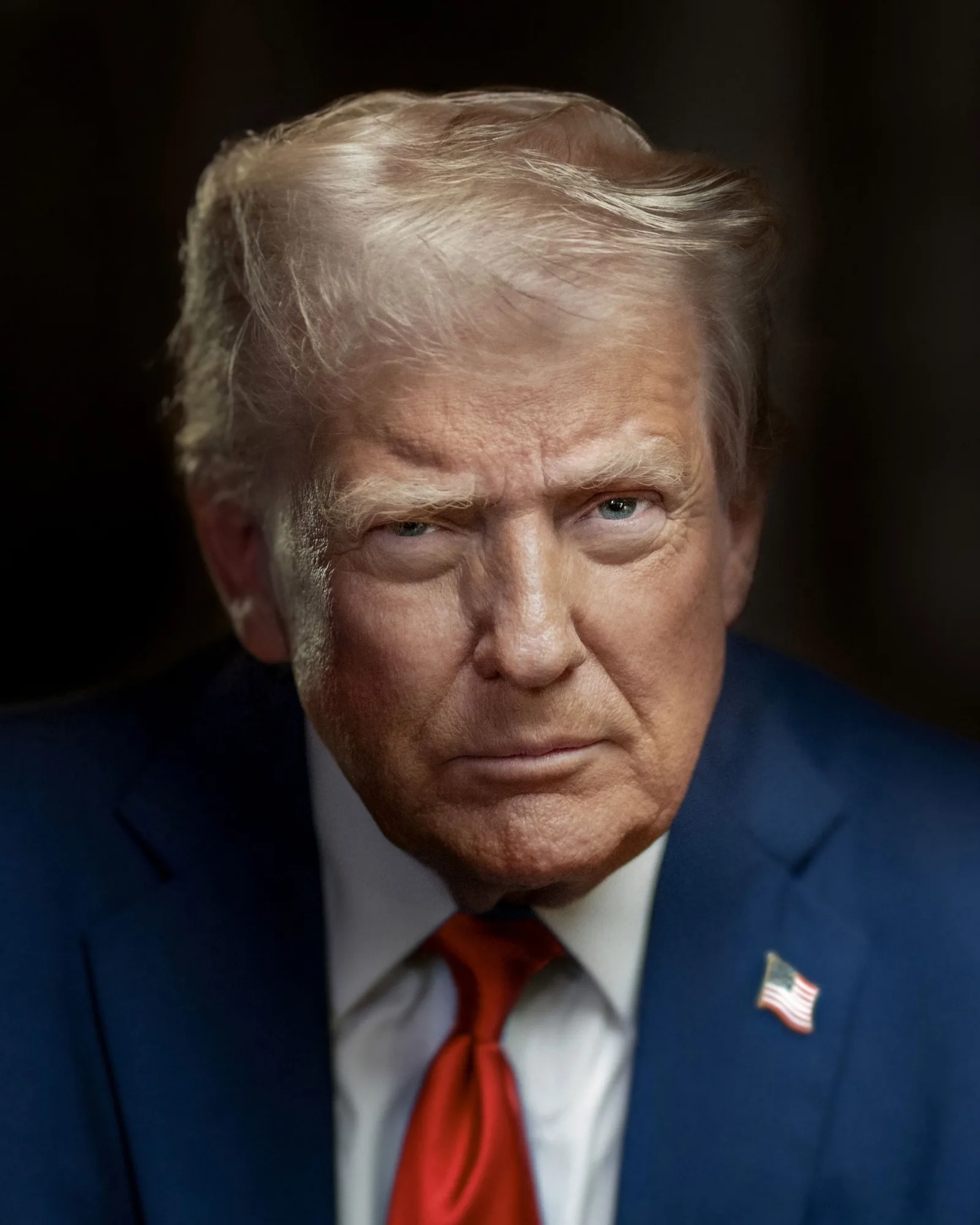 File photo
What happened
Key facts
- A German Economic Institute IW study found that President Donald Trump’s tariffs had not reduced the US trade deficit (per thestandard.com.hk).
- The US goods trade deficit reached US$130 billion in August, exceeding its level two years earlier despite import tariffs (per thestandard.com.hk).
- The European Union’s share of the US trade deficit fell to 7 percent from 20 percent in August 2024 (per thestandard.com.hk).
The brief
The US goods trade deficit reached US$130 billion in August, exceeding its level two years earlier despite import tariffs, according to a German Economic Institute IW study reported by Reuters. The study’s central finding is that President Donald Trump’s tariffs have not cut the deficit.
The article does not give a precise August 2024 deficit figure, but compares the latest amount with the level two years earlier. The composition of the deficit shifted over that period. The European Union accounted for 7 percent of the deficit, down from 20 percent in August 2024. China’s share fell to 14 percent from 29 percent.
Those figures describe changes in trading partners’ shares; they do not change the study’s finding that the overall US goods deficit was higher than two years earlier. The study presents a mixed assessment of Trump’s broader economic agenda, which it describes as involving tax cuts, tariffs and efforts to revive domestic manufacturing.
It says gross domestic product growth remained solid and investment related to artificial intelligence was buoyant. At the same time, job creation lagged the prior administration, while inflation remained above the Federal Reserve’s 2 percent target. Investment figures point to another area of weakness in the study’s account.
Foreign direct investment inflows declined 8.2 percent to US$248 billion in 2025, an amount 18 percent below the average for 2015 through 2024. The article provides these figures alongside its assessment of the economic agenda, without assigning a specific cause for the decline.
The report also connects the US-Israeli war against Iran to pressure on public finances and borrowing costs. It says the war is increasing already high US public debt and pushing up interest rates. Creditors, the article says, are questioning whether the United States can sustain its outstanding debt of US$40 trillion.
The account therefore records both solid growth and buoyant AI-related investment, alongside a goods deficit that has not fallen, weaker foreign investment inflows, lagging job creation and inflation above the Federal Reserve’s target.
Its figures distinguish changes in the deficit’s composition from a reduction in the total: the EU and China shares declined, while the reported overall deficit remained above its level two years earlier.
Why it matters
- US importers and exporters face a goods deficit of US$130 billion in August, above its level two years earlier despite tariffs.
- The Federal Reserve’s 2 percent inflation target remains unmet, with the study saying inflation stayed above it.
- Foreign direct investment inflows were US$248 billion in 2025, 8.2 percent lower and 18 percent below the 2015–2024 average.
- The study links the US-Israeli war against Iran to higher US public debt and interest rates, while creditors question whether the country can sustain US$40 trillion in outstanding debt.
What to watch next
- Whether the US goods trade deficit falls from the reported August level of US$130 billion.
- Whether inflation moves toward the Federal Reserve’s 2 percent target.
- Whether foreign direct investment inflows recover from US$248 billion in 2025.
- Whether creditors continue to question the United States’ ability to sustain US$40 trillion in outstanding debt.
How it's being covered
Coverage analysisShow details4 source articles · 4 unique outlets · 2 distinct reportsOutlet political mix: Center Only· 4 CenterWhere the outlets are based: Global 50% · Asia 25% · Other 25%
- Coverage is currently concentrated among Center-rated outlets (4 of 4 rated sources); comparatively few Left or Right-rated outlets have published on the event.
One source is from a wire service (AP, Reuters, AFP or Bloomberg), whose reporting other outlets often republish.
How outlets' accounts compare
Timeline
Developments from this story's sources, dated background we compiled and fact-checked, and our earlier coverage. Each row says which.- Congress enacted the Trade Expansion Act, including Section 232, which authorizes import restrictions on national-security grounds.Background · compiled and fact-checked by Updat3
- Congress enacted the Trade Act, including Section 301, which authorizes responses to certain foreign trade practices.Background · compiled and fact-checked by Updat3
- The World Trade Organization, established on January 1, 1995, later provided a multilateral framework for trade rules and disputes among member economies.Background · from our historical context
- The Trump administration’s tariffs on imported steel and aluminum took effect under Section 232.Background · compiled and fact-checked by Updat3
- The Trump administration began imposing tariffs on Chinese goods under Section 301.Background · compiled and fact-checked by Updat3
- Donald Trump and Chinese Vice Premier Liu He signed the Phase One trade agreement, while both governments retained many tariffs imposed during the trade dispute.Background · compiled and fact-checked by Updat3
- The European Union’s share of the US trade deficit fell to 7 percent from 20 percent in August 2024.
- President Donald Trump announced sweeping tariffs on imports from U.S. trading partners.Background · compiled and fact-checked by Updat3
How we got here
During Donald Trump’s first presidency, the United States imposed tariffs on imported steel and aluminum under Section 232 of the Trade Expansion Act of 1962, effective March 23, 2018; the administration also began imposing tariffs on Chinese goods under Section 301 of the Trade Act of 1974 that July.
On January 15, 2020, Trump and Chinese Vice Premier Liu He signed the US-China Phase One trade agreement, under which China undertook purchasing commitments and both governments retained many tariffs imposed during the trade dispute.
Original sources
4 articles from 4 outletsEvery story links to the reporting it was built from. How we choose sources
Spotted a factual error, a broken link or a misleading summary? Tell us.